Timber - PVC - Aluminium - Windows, Doors & Conservatories in Hampshire
7 Ways to Reduce Heat Loss Through Windows (Beyond Replacing Them)
7 Ways to Reduce Heat Loss Through Windows (Beyond Replacing Them)
Struggling with high energy bills? You don’t always need to install brand new windows immediately. Discover 7 practical, cost-effective ways to reduce heat loss through your existing glazing.
Are you looking for practical ways to reduce heat loss through your windows without the immediate expense of replacing them? From simple DIY draught-proofing and thermal curtains to installing bespoke secondary glazing or upgrading your sealed glass units, there are several highly effective methods to keep your home warm. By systematically identifying and sealing the gaps around your window frames, you can significantly reduce your winter energy bills and improve your property’s overall comfort.
📉 Immediate Fixes
Simple additions like heavy thermal curtains and fresh silicone caulk can stop cold draughts today for well under £50.
🧱 The “Gap” Rule
Cellular (honeycomb) blinds trap air securely against the glass, creating a brilliant thermal barrier that standard roller blinds simply cannot achieve.
🔄 The Intelligent Upgrade
You don’t always need to replace your entire window frame; replacing just the failed glass unit (upgrading to Low-E argon-filled glass) is an incredibly cost-effective middle ground.
Page Contents
We believe in absolute transparency: as a professional window company, we would naturally love to provide you with brand new, highly efficient triple glazing. However, we also operate in the real world.
Not everyone currently has the allocated budget to replace every single window in their house immediately. If you are renting your property, diligently saving up for a future renovation, or simply trying to comfortably navigate a particularly cold winter in Hampshire, you require immediate, cost-effective solutions.
Therefore, putting our salesman hat firmly to one side, here are 7 proven, practical ways to effectively reduce heat loss through your existing windows—carefully ranked from simple “quick fixes” through to “long-term investments.”
1. The Heat Loss Hierarchy Table
| Method | Initial Cost | Effectiveness | Best Suited For… |
|---|---|---|---|
| 1. Heavy Thermal Curtains | Low | Medium | Draughty bedrooms & living spaces |
| 2. Window Insulation Film | Very Low | Medium | Older single glazing |
| 3. Caulk & Seal | Very Low | High | Visible gaps around older frames |
| 4. Cellular Blinds | Medium | High | Modern, minimalist living rooms |
| 5. Secondary Glazing | Medium/High | Very High | Strictly Listed properties |
| 6. Replace Glass Only | Medium | High | Failed or misted double glazing |
| 7. Full Replacement | Investment | Maximum | Old, actively rotting timber frames |
2. Thermal Curtains (The “Layering” Approach)
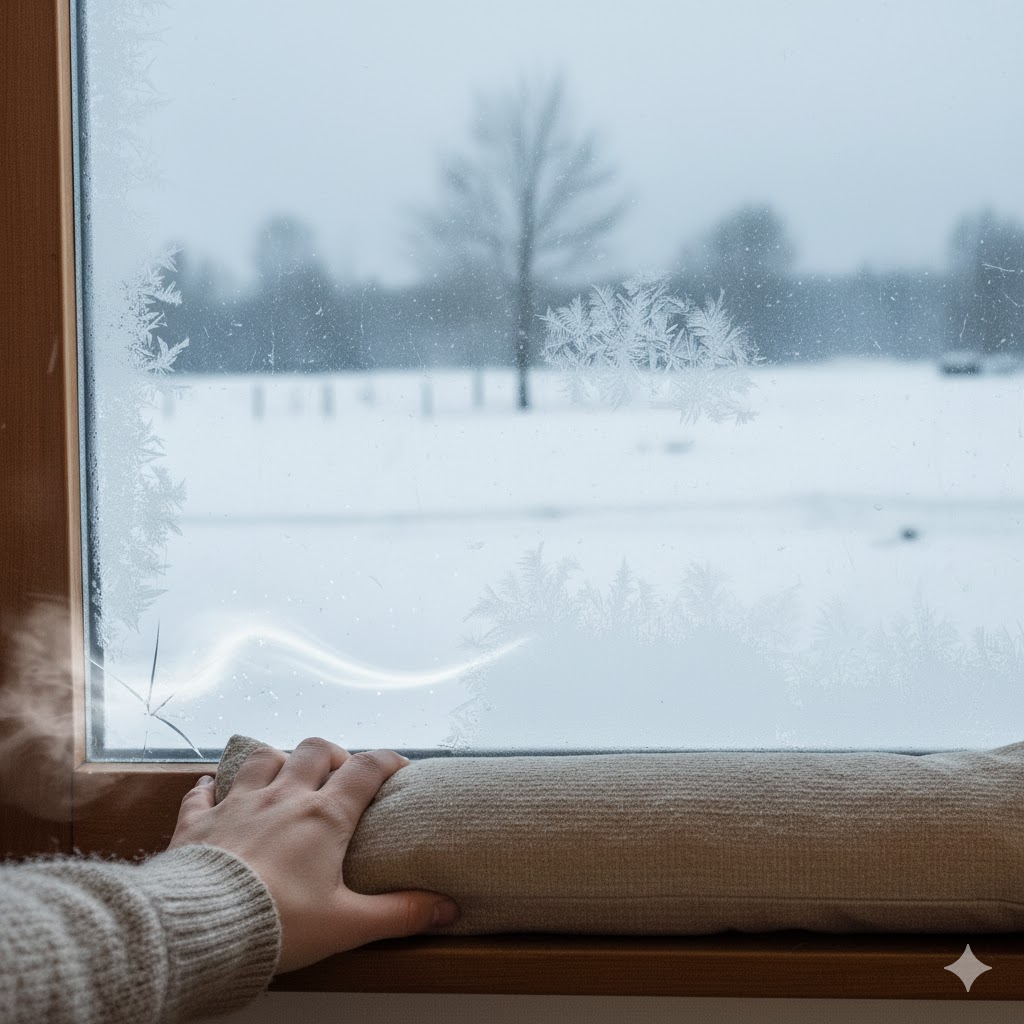
It sounds incredibly simple, but basic physics does not lie. Solid glass is a natural conductor; dense fabric is an excellent insulator. By installing heavy, floor-length curtains equipped with a dedicated thermal lining, you successfully create a protected dead-air space completely between the warm room and the cold window.
This trapped layer of air acts as a formidable barrier, effectively preventing the warm air in your room from hitting the cold glass. Many homeowners find that using bespoke thermal curtains for single glazing is the most impactful low-cost step they can take.
To be genuinely effective, the thermal curtains must touch the floor and overlap generously in the middle. If they hang slightly open, the heavy cold air will simply “waterfall” straight out the bottom and pool on your floor.
3. Window Insulation Film (The “Shrink Wrap” Method)
Readily available at most standard UK DIY stores, this is a thin, transparent plastic sheet that you firmly stick directly to the window frame using double-sided tape. You then gently use a standard hairdryer to shrink the material completely tight.
Ideally, it creates a sealed air pocket, essentially turning highly inefficient single glazing into makeshift double glazing. If you are researching how to stop heat escaping from windows on a very tight budget, this is a highly effective, temporary winter method to stop freezing draughts in their tracks.
4. Hunt the Draughts (Caulk & Seal)
Remarkably often, the core problem isn’t actually the glass itself; it is the degraded gap around the perimeter of the frame. Over the years, buildings naturally shift and exterior sealant slowly degrades under UV light.
On a particularly windy day, carefully run your hand around the very edge of your window frame (specifically where the plastic or timber meets the internal plaster). If you feel a distinct breeze, purchase a high-quality tube of decorator’s caulk or clear silicone, or consider applying specialised window draught excluders. Meticulously filling these hairline cracks costs mere pennies but successfully stops expensive central heating from constantly leaking outside.
🏛️ Official Draught-Proofing Advice
For an extensive, room-by-room guide on safely sealing your home, we highly recommend reading the official Energy Saving Trust Draught-Proofing Guide EnergySavingTrust.org.uk.
5. Cellular (Honeycomb) Blinds
Unlike standard flat roller blinds, cellular blinds feature a highly unique honeycomb structural design that physically traps air securely inside small fabric pockets. This intelligent design creates a genuine thermal barrier right at the glass surface. They are sleek, highly modern, and incredibly effective at safely reducing heat loss in the deep winter (and conversely, preventing excessive heat gain during the summer).
6. Secondary Glazing Solutions
If you currently live in a beautiful period property in Winchester, or a designated conservation area where you legally cannot alter the exterior windows, Secondary Glazing is your ultimate solution. This involves installing a highly slim, discrete second aluminium window on the room-side of your existing frame. It beautifully preserves the authentic external character of the building while offering superb modern thermal and acoustic performance.
7. Replace the Glass, Not the Frame
If your existing uPVC frames remain in excellent structural condition but the actual glass is old (or visibly misted up with internal condensation), you likely do not need entirely new windows. We can frequently replace just the Sealed Glass Unit.
By swapping your old, thermally inefficient glass for highly modern Low-E Argon Filled Units, we can instantly upgrade the thermal performance of the entire window for a fraction of the total cost of a full structural replacement.
8. Frequently Asked Questions
Surprisingly, yes. Sticking standard bubble wrap firmly to the glass (a light water spray usually holds it in place) successfully creates tiny air pockets that actively act as simple insulation. However, it heavily distorts the view and looks quite unsightly from the kerb, so it is best reserved exclusively for outbuildings, garages, or windows securely hidden behind thick voiles.
Generally, yes. Heavy, thermally lined curtains tend to form a vastly superior seal completely around the window edges compared to most standard blinds, which often leave large gaps at the sides. However, high-quality honeycomb (cellular) blinds expertly fitted perfectly within the window reveal can perform exceptionally well.
There are two entirely different types of seals. If you clearly feel cold air rushing in around the opening sash, the draught seals (the black rubber gaskets) may have physically perished. If you clearly see mist or water condensation inside the actual glass unit (trapped between the two panes), the hermetic seal of the double glazing has completely failed, and that specific glass unit requires professional replacement.
📚 Explore Our Performance Glazing Hub
This article is part of our comprehensive series on home energy efficiency. To understand the science and long-term upgrade options, explore below:
Ready for a Permanent Solution?
If DIY fixes are no longer keeping the cold out, it might be time to professionally upgrade your glass. From highly affordable sealed unit replacements to full A-rated window installations, KJM Group expertly secures homes across Hampshire.
Contact KJM for a Free Quote<
Mark Pearce is a highly experienced specialist in the double glazing industry, having built his knowledge from the ground up through hands-on experience in installation, manufacturing, sales, and business management. Beyond his role at KJM, Mark is a keen blogger, writer, and traveller, often sharing insights on the latest innovations in the home improvement industry.
- Comp Door Launches New 2026 Brochure Featuring ‘Total Black Out’ Frames - 11 September 2026
- Solidor launch five new doors - 21 August 2026
- KJM Group Wins Which? Trusted Trader of the Month (Aug 2026) - 4 August 2026