Timber - PVC - Aluminium - Windows, Doors & Conservatories in Hampshire
Double vs Triple Glazing: A Straight-Talking Guide for UK Homes
Double vs Triple Glazing: A Straight-Talking Guide for UK Homes
Are you completely unsure whether to choose standard double or premium triple glazing? Discover the honest truth regarding U-values, noise reduction, and long-term payback times to ensure you make the right structural investment.
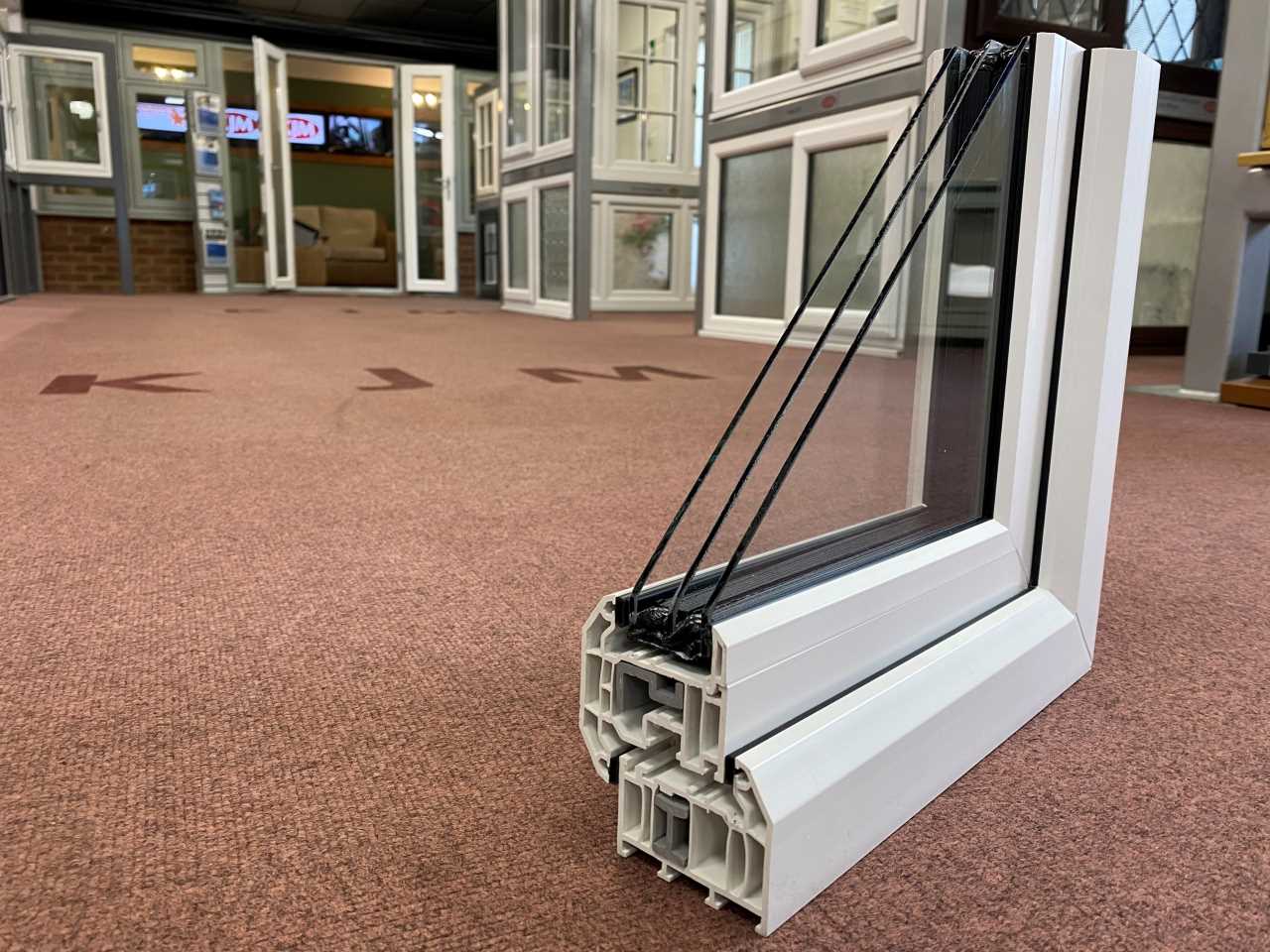
What is the actual difference between double and triple glazing? Double glazing securely features two panes of glass separated by a single argon-filled gap, representing the standard for modern UK homes. Conversely, triple glazing incorporates an additional third pane of glass and a second insulated cavity. Over the last 43 years in the glazing industry, we’ve seen firsthand how this extra barrier provides significantly superior thermal insulation, drastically lowering energy bills. However, because it requires heavier frames and more material, it commands a higher initial investment.
💰 Budget Conscious?
High-quality A-rated double glazing usually delivers the absolute best immediate value and the fastest financial payback on your heating bills.
🔥 Chasing Warmth?
Triple glazing significantly cuts heat loss further, completely eliminating freezing internal draughts and greatly improving comfort in cold, north-facing rooms.
🔊 Noisy Road?
Beware: Standard triple glazing isn’t always the best acoustic solution. To stop heavy traffic noise, you specifically need Acoustic Laminated glass instead.
Page Contents
Choosing between double or triple glazing absolutely isn’t about marketing hype—it’s about the thermal comfort of your home, your monthly heating bills, and exactly how long you plan to stay put. We’ve been operating in Hampshire since 1983, and we firmly believe in giving you the straight, honest facts so you can make the correct architectural choice.
1. Interactive Tool: Glazing Specification Matcher
Unsure which specific glazing specification genuinely justifies your investment? Simply select your primary property issue below, and our logic engine will instantly recommend the most effective structural solution.
2. How They Work (In Plain English)
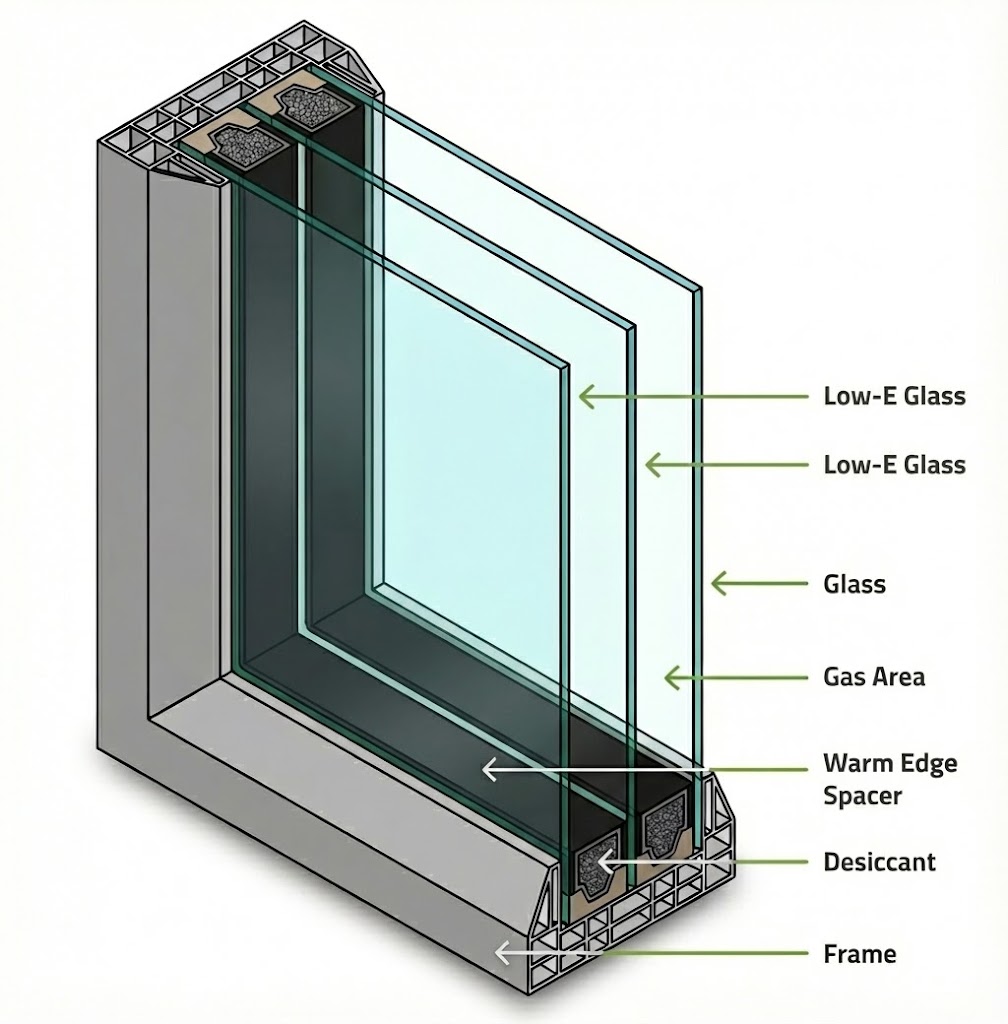
Both premium systems expertly use multiple panes of toughened glass meticulously separated by a hermetically sealed, gas-filled gap (usually using Argon) to deliberately slow down heat transfer.
- Double Glazing: Features two panes and one internal gap. This successfully represents the absolute standard for modern UK homes.
- Triple Glazing: Features three panes and two internal gaps. Consequently, this achieves vastly better insulation (producing lower U-values), but the physical unit is significantly heavier and more expensive to manufacture.
3. Double vs. Triple: Head-to-Head Comparison
Here is the honest reality of exactly how these two systems compare during daily residential use.
The Practical Pros & Cons
Double Glazing
The Pros
It provides a significantly lower upfront installation cost and guarantees a much faster “payback” time on your subsequent energy bills.
The Weight
Lighter glass units naturally place far less mechanical strain on window hinges, resulting in incredibly smooth and easy daily operation.
Best Suited For
Standard property replacements, highly budget-conscious renovations, and general upgrades to older properties.
Triple Glazing
The Pros
It produces significantly warmer internal glass surfaces, permanently eliminating freezing “cold spots” directly next to the window.
The Weight
It is incredibly heavy. Consequently, it absolutely requires heavy-duty friction hardware and highly robust, reinforced structural frames.
Best Suited For
Large new builds, highly insulated eco-homes, or freezing cold, sun-starved north-facing rooms.
For a complete breakdown of costs, payback periods, and long-term value, read our definitive master guide:
Is Triple Glazing Worth the Extra Money?
4. U-Values & Strict Building Regulations
The technical U-value officially measures heat loss—specifically, the lower the resulting number, the better the thermal insulation. Current UK Building Regulations mandate highly strict minimum standards for all replacement windows.
| Glazing Type | Typical U-Value | Performance Rating |
|---|---|---|
| Single Glazing (Obsolete) | ~5.0 W/m²K | Absolutely Terrible |
| Standard Double Glazing | ~1.4 W/m²K | Legal Minimum Standard |
| KJM Triple Glazing | ~0.8 – 1.0 W/m²K | Exceptionally Good |
5. The “Free Upgrade” Myth (Important Warning)
Because domestic energy bills currently remain incredibly high, numerous aggressive national window companies are actively running marketing campaigns heavily offering “Triple Glazing entirely for the price of Double.”
⚠️ “Standard” or “Free” Triple Glazing?
The Financial Reality: Triple glazing inherently costs significantly more to manufacture. It physically uses 50% more glass, extra internal spacers, double the argon gas, and absolutely requires heavier-duty, expensive transportation.
Consequently, if a glazing company is suddenly offering it for “free” or claiming it as “standard,” they have almost certainly artificially inflated the base price of their standard double glazing to covertly cover the massive difference.
The KJM Transparency Way: As part of our strict No Pressure Promise, we firmly believe in total honesty. We will happily provide you with a detailed, itemised quote for both double and triple glazing so you can clearly see the exact, transparent price difference without any hidden tricks.
6. Which Should You Actually Choose?
- Choose High-Quality Double Glazing if: You are simply replacing old, failing windows on a strict budget, you actively want a much faster financial return on investment, or you live in a relatively mild, sheltered southern area.
- Choose Premium Triple Glazing if: You are actively building a heavily glazed new extension, your current home is already highly insulated and airtight, you suffer from a room that remains permanently freezing, or you desperately want to “future-proof” your property against continually rising energy costs.
7. Frequently Asked Questions
No, not automatically. While it is undeniably warmer, the actual financial “value” depends entirely on your house. If you currently possess highly drafty cavity walls and zero loft insulation, putting expensive triple glazing into the property is practically like putting a gold door on a wooden shed. You must fix the fundamental insulation basics first to see a real return.
It certainly helps, but it is surprisingly not the absolute best tool for the job. Acoustic Laminated Glass (which expertly uses a dense plastic interlayer to specifically dampen heavy sound waves) is remarkably more effective against harsh traffic noise than simply adding a standard third pane of glass.
This is actually a remarkably good sign! It explicitly means the window unit is insulating the room so incredibly well that absolutely zero internal heat is escaping to warm up the outer pane. Because the outer pane remains freezing, morning dew forms naturally. It essentially proves you aren’t paying to accidentally heat your back garden.
You should aim for as low as you can reasonably afford. A rating of 1.2 W/m²K represents a genuinely great target for premium double glazing. If you actively want to future-proof your home for the upcoming strict building standards, you should confidently aim for 0.8 to 1.0 W/m²K using advanced triple glazing.
📚 Explore Our Performance Glazing Hub
Now you firmly understand the true difference between two panes and three, dive significantly deeper into the specific options highly relevant to your home:
Ready to Transform Your Home’s Efficiency?
If you genuinely want to radically lower your heating bills and completely eradicate freezing winter draughts, we can expertly help. KJM Group securely manages fully transparent, A++ rated window installations entirely across Hampshire.
Contact KJM for a Free Consultation
Mark Pearce is a highly experienced specialist in the double glazing industry, having built his knowledge from the ground up through hands-on experience in installation, manufacturing, sales, and business management. Beyond his role at KJM, Mark is a keen blogger, writer, and traveller, often sharing insights on the latest innovations in the home improvement industry.
- Pilkington Launches Optitherm S3 Plus Triple Glazing Glass - 16 October 2026
- Comp Door Launches New 2026 Brochure Featuring ‘Total Black Out’ Frames - 11 September 2026
- Solidor launch five new doors - 21 August 2026