




Soundproof Glass & Windows Andover Hampshire
Noise pollution can transform a relaxing home into a source of stress. Whether you are dealing with busy traffic on the A303 or M3, nearby rail lines, or general neighbourhood noise in Andover, the right glazing solution can reduce sound transmission by up to 54dB.
At KJM Group, we approach soundproofing in two distinct ways depending on the severity of the noise and your property style. You generally have two choices:
- The Modern Standard (Good): Replacing existing windows with high-specification Acoustic Double or Triple Glazing.
- The Ultimate Solution (Best): Installing Secondary Glazing behind your existing windows for maximum sound isolation.
We cover Hampshire, Berkshire, Surrey, Wiltshire, and Dorset. Read our guide below to decide which solution is right for your home.
Soundproofing Glass - Double Glazing and Triple Glazing
Option 1: Acoustic Replacement Windows
If your current windows are single-glazed, old, or draughty, replacing them is the most logical first step. However, standard double glazing is not always enough to block high-frequency noise.
The Solution: Acoustic Laminate Glass
We use specialist glass like Saint-Gobain Stadip Silence. This features a transparent PVB (Polyvinyl Butyral) acoustic interlayer sandwiched between two sheets of glass. This core acts as a “dampener,” absorbing sound energy and preventing it from vibrating through to the inside of your home.
- Security Bonus: Because the glass is laminated, it holds together when shattered, offering the same level of security as a car windscreen (P4A accredited).
- UV Protection: It blocks over 99% of UV rays, preventing your furniture from fading.
Read more about how Acoustic Glass Technology works in our guide.

Secondary Glazing
Soundproofing Glazing
Option 2: Secondary Glazing (Maximum Soundproofing)
For homes suffering from severe noise pollution (such as those under flight paths or on main arterial roads) or for Listed Buildings where you cannot change the external windows, Secondary Glazing is the ultimate solution.
By installing a slimline aluminium frame 100mm–200mm behind your primary window, we create a “decoupled” system. The large air cavity acts as a massive buffer against sound waves. When combined with acoustic glass, this can reduce noise levels by up to 80% (54dB).
► Watch our Secondary Glazing Noise Reduction Case Study (YouTube)
View Full Secondary Glazing Details & Options
Secondary glazing and sound-proofing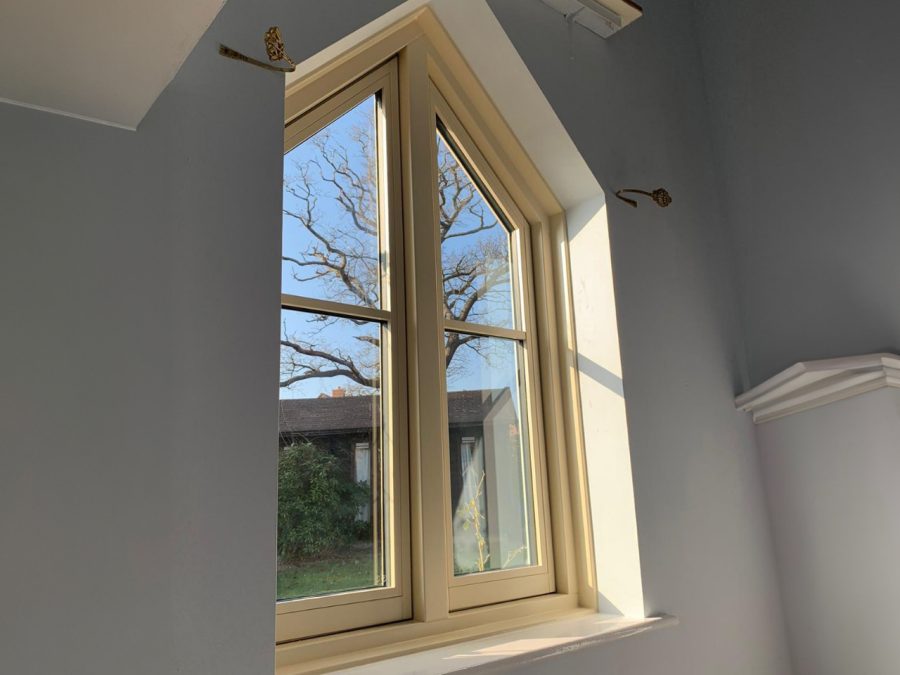
Andover & Hampshire
What are the benefits of soundproof glass?
Comparing Glass Performance
To understand the difference, we measure sound reduction in Decibels (dB). A reduction of 10dB is roughly perceived by the human ear as a halving of the noise volume.
| Window Type | Estimated Reduction | Performance Level |
|---|---|---|
| Single Glazing (4mm) | ~ 25dB | Poor |
| Standard Double Glazing | ~ 31dB | Standard |
| Acoustic Double Glazing | ~ 39-42dB | Excellent |
| Secondary Glazing (150mm gap) | ~ 50-54dB | Ultimate |
*Performance varies based on glass thickness and installation conditions. Learn more about the benefits of laminated glass here.
CONTACT USSoundproofing Prices Andover & Hampshire
Soundproofing Experts in Hampshire
Soundproofing is not just about buying thicker glass; it is about installation quality. Even a tiny gap in the sealant can allow sound to “leak” through, negating the benefits of expensive acoustic units.
KJM Group has been installing windows in Andover and Hampshire since 1983. We understand the specific noise profiles of our local area, from the army logistics traffic to the quiet residential zones.
Ready to reduce the noise? We offer a free, no-pressure consultation to measure your noise levels and recommend the right glass specification for your budget.
Get a quoteFrequently Asked Questions
What is the first step to soundproofing my windows?
Start by checking the condition of your existing windows. Are they single-glazed? Do they seal tightly? If you have old single glazing or blown seals, your first step should be replacing them with modern Acoustic Double Glazing. If your windows are already in good condition but noise is still an issue, the ultimate solution is installing Secondary Glazing to create a large air buffer.
How much does it cost to soundproof a window in Hampshire?
The cost varies based on the solution required. Secondary glazing is often more cost-effective than full window replacement, while replacing just the glass units (reglazing) can be a middle-ground option. Factors include window size, the thickness of the acoustic glass (e.g., Stadip Silence), and the opening style. We offer a bespoke quoting engine that allows our Andover and Hampshire customers to get an accurate price in minutes.
What is the absolute best window for noise reduction?
The most effective solution for severe noise (such as main roads or flight paths) is Secondary Glazing installed with a 100mm–150mm air gap from the primary window. This “decoupled” system disrupts sound waves far better than any single window unit can. It is the preferred choice for Listed Buildings in Hampshire where external changes are restricted.
Is soundproof glazing worth the investment?
Absolutely. Beyond the obvious peace and quiet, acoustic glass offers significant secondary benefits. It provides superior thermal insulation (lowering energy bills) and, because it uses laminated glass, it offers high-security protection similar to a car windscreen. It creates a warmer, safer, and quieter home.
Can you soundproof existing windows without replacing them?
Yes. If your frames are healthy, we can often replace just the glass units with acoustic laminate glass (reglazing), which offers a noticeable improvement. However, for a dramatic reduction in decibels, we recommend installing Secondary Glazing behind your existing windows. Simply changing rubber seals will only offer a marginal improvement if the glass itself is the weak point.
Planitherm High Performance Glazing Brochure

Our Products

Awards and Accreditations