Timber - PVC - Aluminium - Windows, Doors & Conservatories in Hampshire
How to Clean and Maintain my uPVC windows
How to Clean and Maintain my uPVC windows
Stop white frames yellowing, fix stiff handles, and effortlessly remove hard water spots. The complete expert guide to window care.
- 🛡️ Protect Your Warranty: Neglecting moving parts (like hinges and espag locks) causes them to snap, which can completely void your manufacturer warranty.
- ❌ No Abrasives: Cream cleaners (like Cif) cause microscopic scratches. This removes the glossy finish, making windows turn yellow and get dirty twice as fast.
- 💧 Hidden Drainage: 90% of reported window “leaks” are actually caused by blocked drainage slots in the frame, not broken seals. Vacuum them out!
- 🧪 Local Hard Water: Hampshire’s chalky water leaves stubborn white spots on glass. Use a simple 50/50 vinegar and water solution, not soap, to dissolve them.
Modern PVCu windows are genuine engineering marvels. They brilliantly keep the heat in, the traffic noise out, and secure your home against intruders. But, much like a car, they contain delicate moving mechanical parts and rubber seals that will inevitably degrade if ignored.
This isn’t just about making your property look pretty from the street. Proper maintenance actively prevents expensive repairs. A stiff window handle today is a broken, jammed gearbox tomorrow. Here is the KJM expert guide to deep cleaning and maintaining your windows.
Page Contents
1. The Chemistry of Cleaning (Frames)
PVCu frames are manufactured with a highly glossy, non-porous “skin” that is chemically designed to repel dirt and rainwater. The biggest mistake homeowners make is inadvertently destroying this skin by using the wrong chemicals.
Never, under any circumstances, use abrasive cream cleaners (like Cif/Jif) or scouring pads on your window frames.
These products contain abrasive micro-granules. While they remove surface dirt incredibly quickly, they also act like liquid sandpaper, physically removing the glossy top layer of the plastic. This leaves a rough, highly porous surface that actively holds onto dirt and pollution.
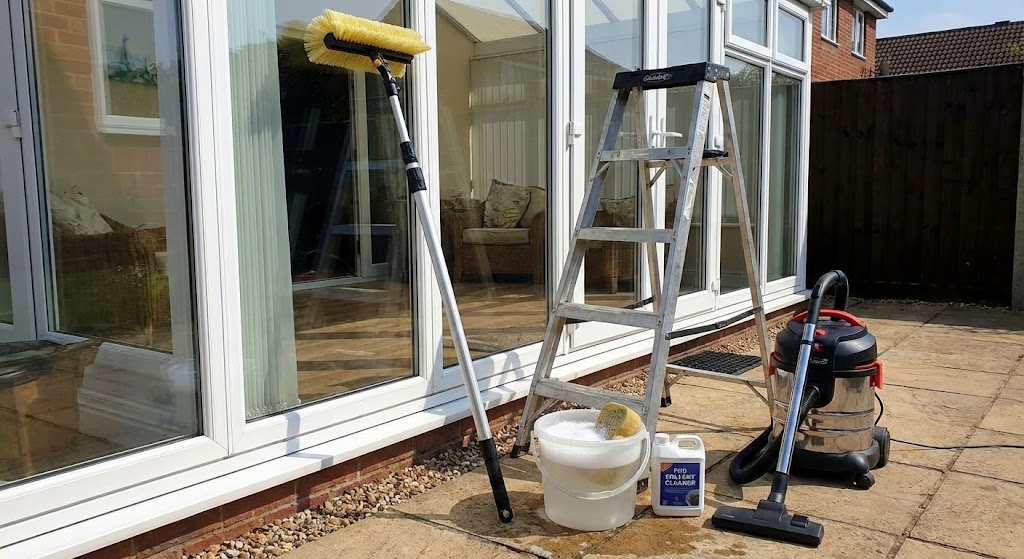
Use This Instead: Simple warm soapy water (mild washing up liquid) is usually more than enough. For stubborn grime, use a specialist Solvent-Free PVCu Cleaner from a local trade counter applied with a soft microfibre cloth.
2. Glass Perfection (Hard Water & Vinegar)
Living in the South of England means dealing with the realities of hard water. If you wash your windows using a garden hose connected to the mains on a sunny day, the water will evaporate quickly, leaving behind stubborn, white calcium spots (limescale) that standard supermarket glass cleaner simply won’t touch.
3. The “Hidden” Drainage System
An astonishing 90% of “leaking window” callouts our service team receives after heavy rain are actually just caused by blocked internal drainage.
Open your window sash and look down at the bottom of the outer frame (the inner step or rebate). You will see small slots or holes routed into the plastic. These are Drainage Channels. They are specifically designed to let any rainwater that breaches the first outer seal run safely down and out of the frame externally.
The Fix: Over the summer, these hidden channels collect dead flies, spiders, pollen, and dust. If they block completely, the water backs up like a blocked sink and spills inside your house over your windowboard. Use a narrow vacuum nozzle or a cotton bud to clear these out twice a year.
4. Rubber Care & Mould Wars
The black rubber compression seals (gaskets) around the edge of your window are what actually stop the wind and rain. Over time, they can gather black condensation mould, especially in highly humid rooms like bathrooms and kitchens.
- The Bleach Trick: If warm soapy water doesn’t shift the mould embedded in the silicone, carefully soak a small cotton wool pad in household bleach and leave it pressed firmly against the mouldy seal for 2 hours. The mould will often vanish completely. Wash thoroughly afterwards.
- Conditioning: Do NOT use wet oils or standard WD40 on rubber gaskets, as the petroleum distillates will cause the rubber to perish and crumble. Instead, use a dedicated Silicone Spray twice a year to keep them soft and supple, ensuring a tight seal against drafts.
5. Lubrication: The 5-Minute DIY Service
If a window handle is stiff to turn, forcing it will eventually snap the internal metal gearbox. A quick 5-minute oiling routine takes zero skill and saves you an unnecessary £150 emergency repair bill.
The Essential Hardware Checklist
⚙️ The Espag (Locking Strip)
Open the window. On the side of the opening sash, you will see a metal strip with moving rollers. Spray light machine oil (like 3-in-1) or Silicone Spray into the locking slots. Move the handle up and down several times to work the oil deep into the mechanism.
🔗 The Friction Stays (Hinges)
Keep the metal hinge track completely free of grit and dead insects. Spray oil solely on the metal pivot points (the rivets), but do not grease the track itself, as the window relies on friction in that track to stay open in the wind.
🔑 The Keyhole
Never spray wet oil or WD40 into the keyhole of a locking handle, as it attracts dust and turns to a thick paste. Use Graphite Powder (a dry lubricant). Puff a little onto the key, insert it, and wiggle to keep the internal barrel perfectly smooth.
6. Foiled vs. White Frames
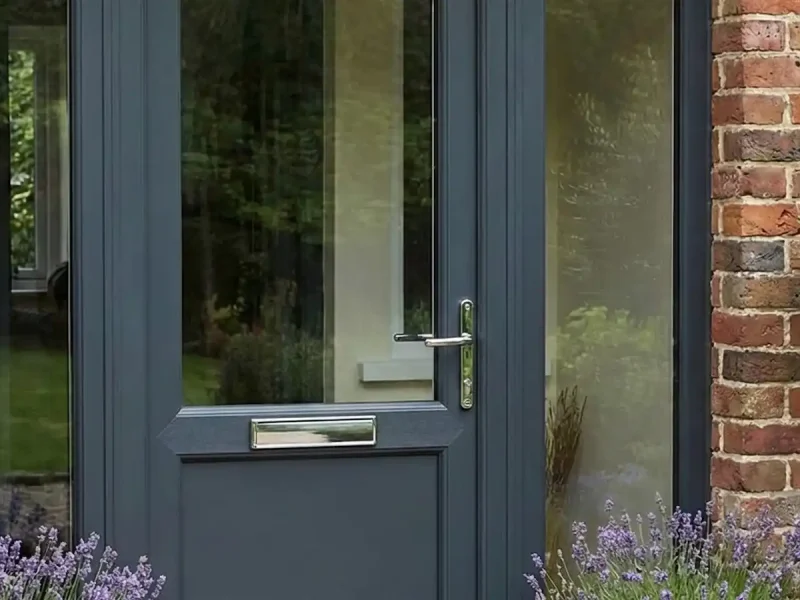
Woodgrain (foiled) windows are structurally different from smooth white plastic. They feature a highly textured, coloured laminate skin bonded to the plastic.
Over time, dark foiled windows (like Rosewood, Irish Oak, or Anthracite Grey) can start to look slightly dull or chalky due to heavy UV oxidation from the sun.
The Fix: Clean the frame thoroughly with soapy water and dry it completely. Then, spray a very small amount of standard WD40 onto a clean microfibre cloth and gently wipe down the foiled frame. It acts exactly like a polish, instantly restoring the deep colour and adding a waterproof protective layer against the rain.
(Note: Do not do this on standard white frames, as the oil will attract dark dust).
7. Hampshire Environmental Factors
🏡 Adjusting to Your Postcode
Hampshire boasts a diverse mix of environments, and your exact location heavily dictates your required window care regime:
- Coastal Properties (Southampton / The Solent): Salt crystals carried in the sea air are incredibly corrosive to the stainless steel friction hinges holding your windows up. If you live near the coast, you MUST wipe your hinges monthly with a damp cloth to prevent pitting and rusting (known as tea-staining), followed by a light oiling.
- Inland & Chalky Areas (Andover / Winchester / Basingstoke): As mentioned above, our local water is exceptionally hard. When washing your exterior windows, ensure you dry the glass quickly with a microfibre cloth or squeegee. Letting hard tap water dry naturally in the sun will leave stubborn white mineral marks etched into the glass.
8. Troubleshooting Common Issues
Old PVCu (manufactured in the 80s and early 90s) wasn’t UV stabilized and yellows naturally due to the sun. This is physical chemical degradation and cannot be cleaned off. However, modern PVCu is highly UV stabilized. If your modern frames are yellowing, it might be nicotine stains or atmospheric dirt—try using a specialist solvent “UPVC Restorer” cream from a trade counter.
This means the spindle inside the handle, or the internal gearbox mechanism driving the locks, has physically failed. Do not force it, as you will break the handle off entirely. This requires a replacement part. KJM Group offers a comprehensive, local repair service for exactly this issue.
If the mist or moisture is physically inside the sealed double-glazed unit (meaning you can’t wipe it off from the inside or the outside), the hermetic perimeter seal has failed and the insulating argon gas has escaped. No amount of cleaning will fix this. The glass unit itself needs replacing, though the good news is you can usually keep the existing PVCu frames.
📚 Related Maintenance Guides
Keep your entire home’s glazing performing perfectly with our expert Spoke guides:

Mark Pearce is a highly experienced specialist in the double glazing industry, having built his knowledge from the ground up through hands-on experience in installation, manufacturing, sales, and business management. Beyond his role at KJM, Mark is a keen blogger, writer, and traveller, often sharing insights on the latest innovations in the home improvement industry.
- Pilkington Launches Optitherm S3 Plus Triple Glazing Glass - 16 October 2026
- Comp Door Launches New 2026 Brochure Featuring ‘Total Black Out’ Frames - 11 September 2026
- Solidor launch five new doors - 21 August 2026