Timber - PVC - Aluminium - Windows, Doors & Conservatories in Hampshire
Will Secondary Glazing Stop Condensation on Old Sash Windows?
Will Secondary Glazing Stop Condensation on Old Sash Windows?
Are you tired of waking up to wet sash windows every winter morning? Discover why single glazing sweats, the simple science of the “Dew Point,” and exactly how installing secondary glazing creates a thermal barrier to stop condensation for good.
Quick Answer: Does secondary glazing stop condensation on sash windows? Yes. Traditional single-glazed sash windows sweat because the original glass gets freezing cold, causing the warm indoor air to turn into water droplets. Secondary glazing fixes this by adding a second internal glass pane, trapping an insulating layer of air. This effectively keeps the inner glass warm and prevents the condensation from forming.
Where exactly is the moisture on your window?
- 👉 Inside the room? You are in the right place. Keep reading below!
- 👉 Outside the glass? This is normal. Read our Guide to External Condensation.
- 👉 Trapped between the panes? This is a blown seal. Read our Repair Guide.
- 👉 Need the full overview? Visit our Ultimate Guide to Window Condensation.
💧 The Root Problem
Traditional sash windows are not thermally efficient. Their single pane of glass becomes very cold, providing the ideal surface for warm indoor air to condense upon.
🛡️ The Permanent Fix
Secondary glazing adds a second internal pane, trapping a layer of insulating air. This ensures the inner glass remains closer to room temperature.
🌡️ The Final Result
It eliminates the “Dew Point” effect on the room side of the window, stopping the daily build-up of water on your sills.
💰 The Financial Bonus
It is generally a much more cost-effective solution than removing and entirely replacing original historic sash window boxes.
Page Contents
Mopping up daily condensation is a tedious chore. While electric dehumidifiers certainly help manage indoor humidity, they are often just a temporary patch. To stop condensation on sash windows without replacing them, you need to address the root cause: cold glass.
1. Why Do My Single Glazed Sash Windows Sweat?
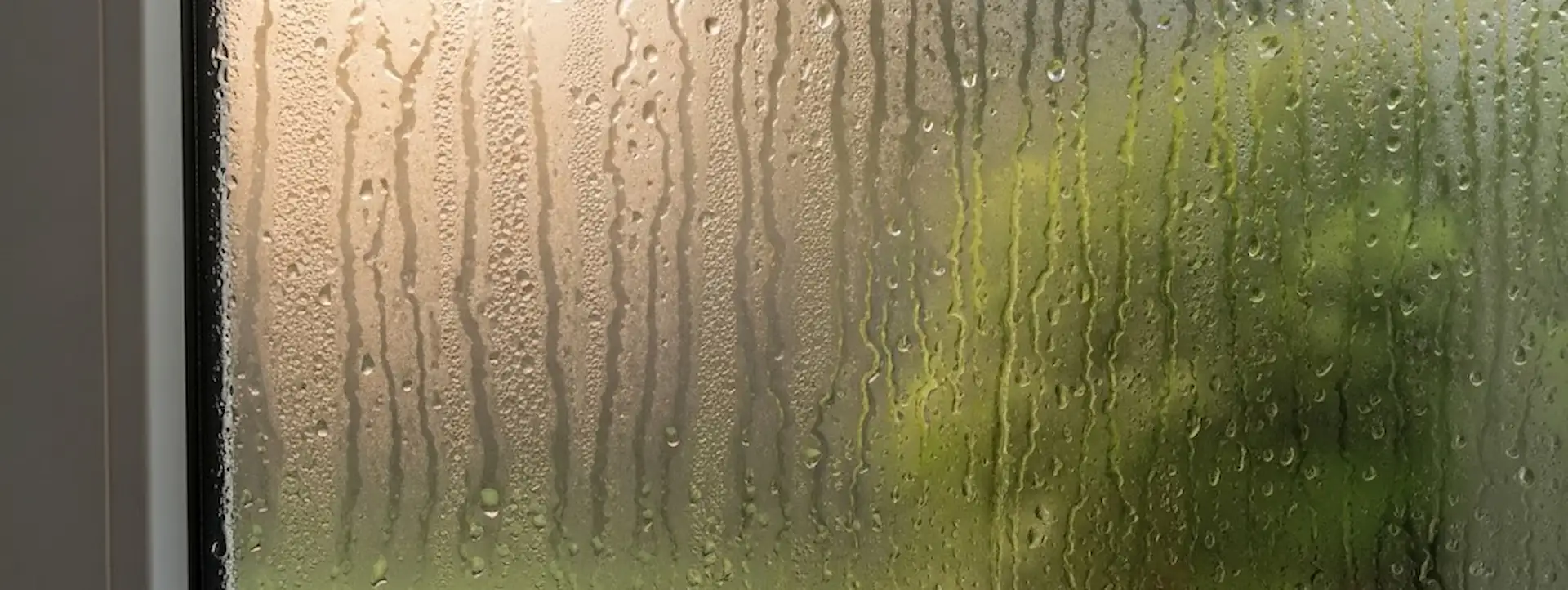
Interior condensation isn’t caused by your windows leaking rainwater; it is simply a matter of physics. It occurs when warm, moist air inside your home comes into contact with a cold surface.

When warm interior air meets the cold single pane of an exterior sash window, it cools down quickly. Because cool air cannot hold as much moisture as warm air, it releases that excess water onto the nearest surface—your window glass. This threshold is known as the Dew Point.
Original 19th-century sash windows are poor thermal insulators. On a freezing day outside, the glass facing into your room is also cold, making it a natural magnet for indoor moisture.
2. How Secondary Glazing Solves the Condensation Problem
You cannot change the weather outside, and general household activities will always create some moisture. The variable you can change is the surface temperature of the glass facing the room.
Secondary glazing involves installing a separate pane of glass on the inside of your existing primary window. This creates a sealed air cavity that acts as a reliable thermal buffer. Because of its excellent thermal retention without harming exterior aesthetics, Historic England actively recommends secondary glazing as an incredibly effective way to upgrade period properties.
- The Original Outer Window: Continues to take the brunt of the cold UK weather.
- The New Air Gap: Traps a layer of insulating air (often referred to as ‘dead air’).
- The New Inner Window (Secondary): Remains warm because it is separated from the cold outside air by the thermal cavity.
Because the new inner pane remains closer to room temperature, the interior air doesn’t cool down enough to hit the Dew Point. No cold surface means no condensation.
For classic period sash windows, we recommend using Vertical Sliding secondary glazing units. The slimline inner panels slide vertically up and down just like your original timber window, meaning you can still easily open them for ventilation in the summer.
3. Heat Retention: U-Values Clearly Compared
Stopping morning condensation is excellent, but saving money on your winter heating bills is an added benefit. We measure thermal insulation using “U-values”—the lower the number, the better the insulation.
| Window Type | Typical U-Value Rating | Thermal Efficiency |
|---|---|---|
| Standard Single Glazed Sash | Approx 5.8 W/m²K | Poor |
| New Double Glazing (Standard PVC) | 1.2 – 1.6 W/m²K | Very Good |
| Basic Secondary Glazing (Standard Glass) | Approx 2.7 W/m²K | 50% Improvement |
| Premium Secondary Glazing (With Low-E Glass) | Approx 1.8 W/m²K | ~65% Improvement |
4. The Essential Role of Low-E (Low Emissivity) Glass
If your goal is maximum heat retention alongside condensation prevention, we recommend specifying Low-E (Low Emissivity) Glass such as Pilkington K or Saint Gobain Planitherm for your secondary pane.
This glass features an invisible, microscopic metal oxide coating on one side that acts like a thermal mirror:
- It allows natural heat from the winter sun to enter your room.
- It reflects the heat generated by your central heating back into the room, rather than letting it escape through the glass.
By combining the thermal air gap of secondary glazing with Low-E glass, you can achieve overall thermal performance that rivals modern double glazing, all without altering your original historic windows.
5. Frequently Asked Questions
It will virtually eliminate condensation on the room-facing side of the inner glass. However, you must still ensure your home is adequately ventilated. If internal ambient humidity remains extremely high (for example, constantly drying wet clothes indoors with no open window vents), the moisture will simply find the next available cold surface, such as exterior walls, to settle on.
This can happen occasionally if warm, humid indoor air leaks past the internal seals into the cavity gap. However, professional secondary glazing is generally designed with balanced micro-ventilation to allow the cavity to breathe gently, equalising the temperatures and clearing any temporary morning mist.
Yes. Because you are retaining your existing primary frames and not paying for structural disposal or having to make good the interior plasterwork, secondary glazing is a more cost-effective method to upgrade your period home’s thermal efficiency.
📚 Explore Our Secondary Glazing Hub
Now you understand how to manage damp, explore our other expert guides to see the full benefits of upgrading your glazing:
Ready to Cure Wet Windows?
If you are tired of dealing with winter condensation and cold draughts, we can help. KJM Group installs high-performance, discreet secondary glazing across Hampshire.
Contact KJM for a Free Survey
Mark Pearce is a highly experienced specialist in the double glazing industry, having built his knowledge from the ground up through hands-on experience in installation, manufacturing, sales, and business management. Beyond his role at KJM, Mark is a keen blogger, writer, and traveller, often sharing insights on the latest innovations in the home improvement industry.
- Pilkington Launches Optitherm S3 Plus Triple Glazing Glass - 16 October 2026
- Comp Door Launches New 2026 Brochure Featuring ‘Total Black Out’ Frames - 11 September 2026
- Solidor launch five new doors - 21 August 2026