Timber - PVC - Aluminium - Windows, Doors & Conservatories in Hampshire
Composite Doors vs. uPVC Doors: The Definitive Comparison Guide
Composite Doors vs. uPVC Doors: The Definitive Comparison Guide
A homeowner’s guide to choosing the right front or back door for security, warmth, and budget.
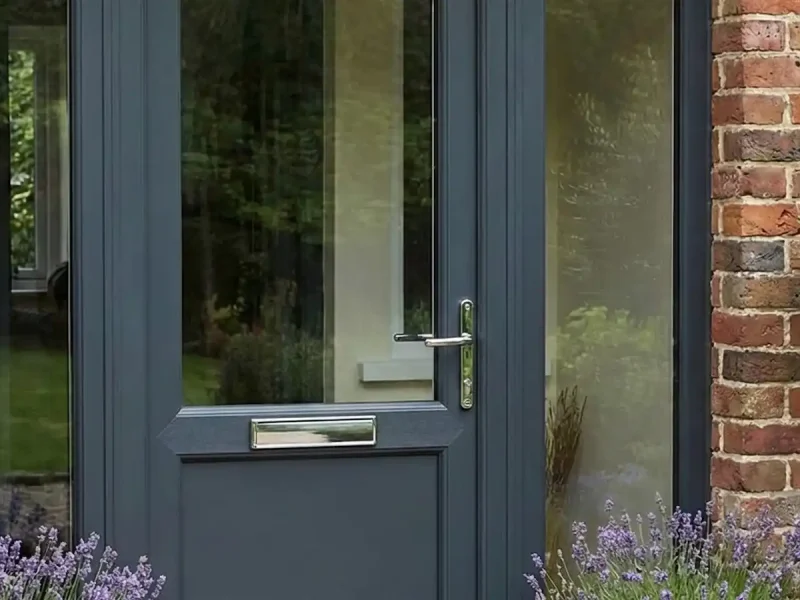
- 🛡️ Composite is King: For ultimate security and premium kerb appeal, Composite completely wins. It is a heavy, solid 44mm thick slab that is incredibly difficult to breach.
- 💷 uPVC for Budget: A uPVC door is approximately 40% cheaper than a composite equivalent. It is the ideal choice for back doors or side-garage entrances where practical function beats high-end style.
- ⏳ Lifespan Comparison: Premium composite doors will comfortably last 30-35 years; whereas standard uPVC doors will typically last 20-25 years before requiring replacement.
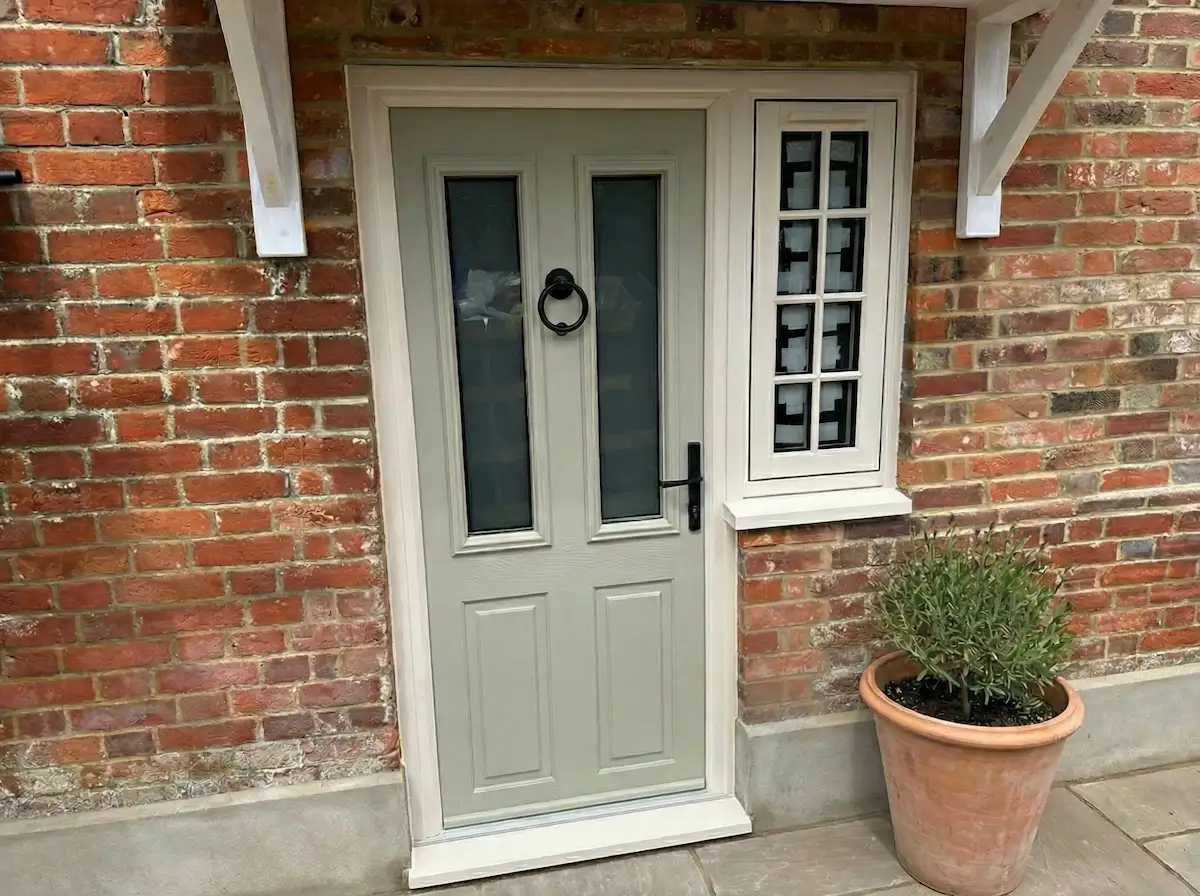
When replacing a front or back door, there is one question that our survey team hears more than any other: “Is a composite door really worth the extra money over a standard uPVC door?”
Both options have effectively replaced traditional timber in the UK market, offering minimal maintenance, zero rotting, and significantly better insulation. But beneath the decorative surface, they are fundamentally different products. We break down the construction, cost, and security differences below to help you make an informed decision.
Page Contents
1. Interactive: Which Door Suits You?
1. Where is this new door going to be installed?
2. What is your absolute top priority?
🏆 Recommendation: Composite Door
For a main entrance, the extra investment is absolutely worth it. You get vastly superior security (a 44mm thick solid core), better thermal efficiency, and an authentic woodgrain look that actively adds kerb appeal and value to your home.
View Composite Range →💡 Recommendation: uPVC Door
If budget is your main concern, or the door is hidden away at the back/side of the house where aesthetics are secondary, a modern uPVC door is a highly practical, low-maintenance choice that is significantly cheaper while still meeting building regulations.
View uPVC Range →2. The Big Comparison Table
See the technical differences between the two materials at a glance.
| Feature | Composite Door | uPVC Door |
|---|---|---|
| Cost | Higher Investment (££) | Highly Affordable (£) |
| Thickness | 44mm (Heavy, solid feel) | 28mm (Lighter panel depth) |
| Core Material | Solid Timber or High-Density Foam | Lightweight Styrofoam |
| Finish Options | Authentic, textured Woodgrain Effect | Smooth, shiny Plastic Sheen |
| Security Rating | Excellent (Easily passes PAS 24) | Good (If properly reinforced) |
| Average Lifespan | ~30-35 Years | ~20-25 Years |
3. The Structural Difference (Inside the Door)
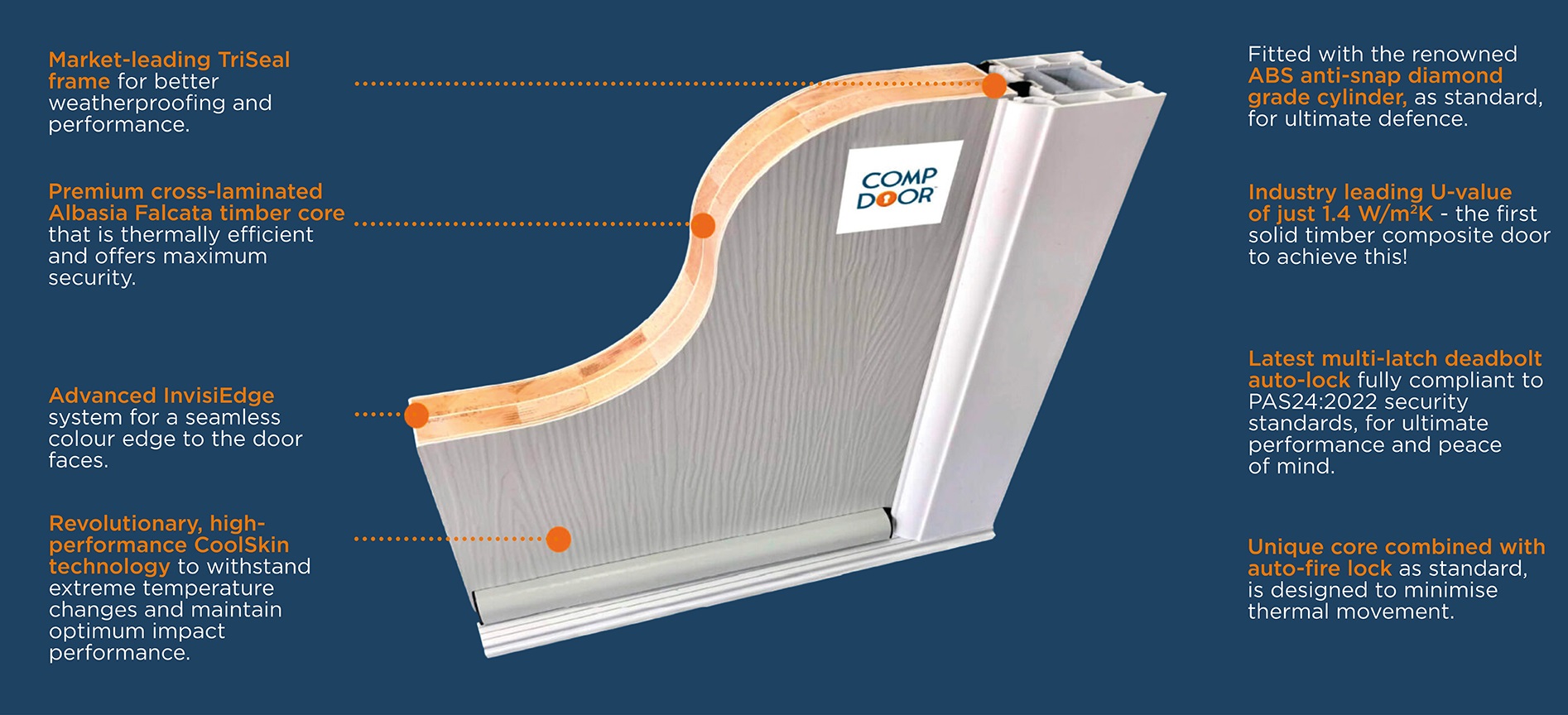
The main difference lies hidden in the internal construction. A “Composite” door is called that because it is made from a composition of different materials, specifically designed to cherry-pick the best structural properties of each.
1. Composite Construction
The Core: Usually solid laminated timber or high-density polyurethane foam. This gives the door incredible rigidity and a heavy, satisfying “thud” sound when it closes.
The Skin: Wrapped in a Glass Reinforced Plastic (GRP) skin. This is the exact same material used on boat hulls—it is exceptionally tough, 100% waterproof, and highly resistant to scratching or fading.
2. uPVC Construction
The Core: The central decorative infill panel typically features a lightweight Styrofoam core sandwiched between two thin layers of vacuum-formed uPVC skin.
The Feel: Because of the much lighter core, uPVC doors feel noticeably lighter to open and completely lack the solid, premium acoustic dampening of a composite door.
4. The Thickness Test (44mm vs 28mm)
This is the most significant physical difference. A standard composite door slab is 44mm thick. A standard uPVC door panel is only 28mm thick.
That extra 16mm of high-density core material makes a composite door significantly better at blocking traffic noise from the street and retaining expensive central heating inside your hallway.
Which Door Insulates Better?
While both perform very well and meet current UK Building Regulations, the sheer physical density of a composite door gives it a clear advantage in heat retention.
5. The 40% Price Commitment
Let’s talk frankly about cost. Due to the complex manufacturing process and superior materials, a premium composite door typically costs around 40% more than a standard uPVC equivalent.
💡 Is the 40% extra actually worth it?
At KJM Group, we believe this isn’t just an extra cost—it’s a commitment to the security and value of your home. That 40% difference buys you:
- Brute Force Protection: A 44mm solid slab is virtually impossible to kick through, whereas a plastic styrofoam panel can be breached by a determined intruder.
- Longevity: An extra 10-15 years of operational life, meaning you won’t need to pay for a replacement again anytime soon.
- Resale Value: The front door is the focal point of your home. A premium, woodgrain entrance adds instant kerb appeal, often recovering its initial cost when you come to sell the property.
6. Security Comparison
While modern uPVC doors are secure (thanks to multi-point locking strips and steel-reinforced outer frames), the central plastic panel remains a potential structural weak point compared to a solid slab.
A Composite door offers elite PAS 24 security standards as the absolute norm. The GRP skin won’t crack under heavy blunt impact, and the solid core physically prevents the door from being kicked through. When paired with our high-security 3-Star ABS Anti-Snap Cylinders, a composite door is a formidable fortress.
7. Local Hampshire Installation Advice
🏡 Advice for Regional Homes
For Period Properties (Winchester, Salisbury & Rural Villages): We strongly recommend Composite Doors. The GRP woodgrain effect mimics original traditional timber doors perfectly, preserving the vital character and heritage aesthetics of older cottages without the rot.
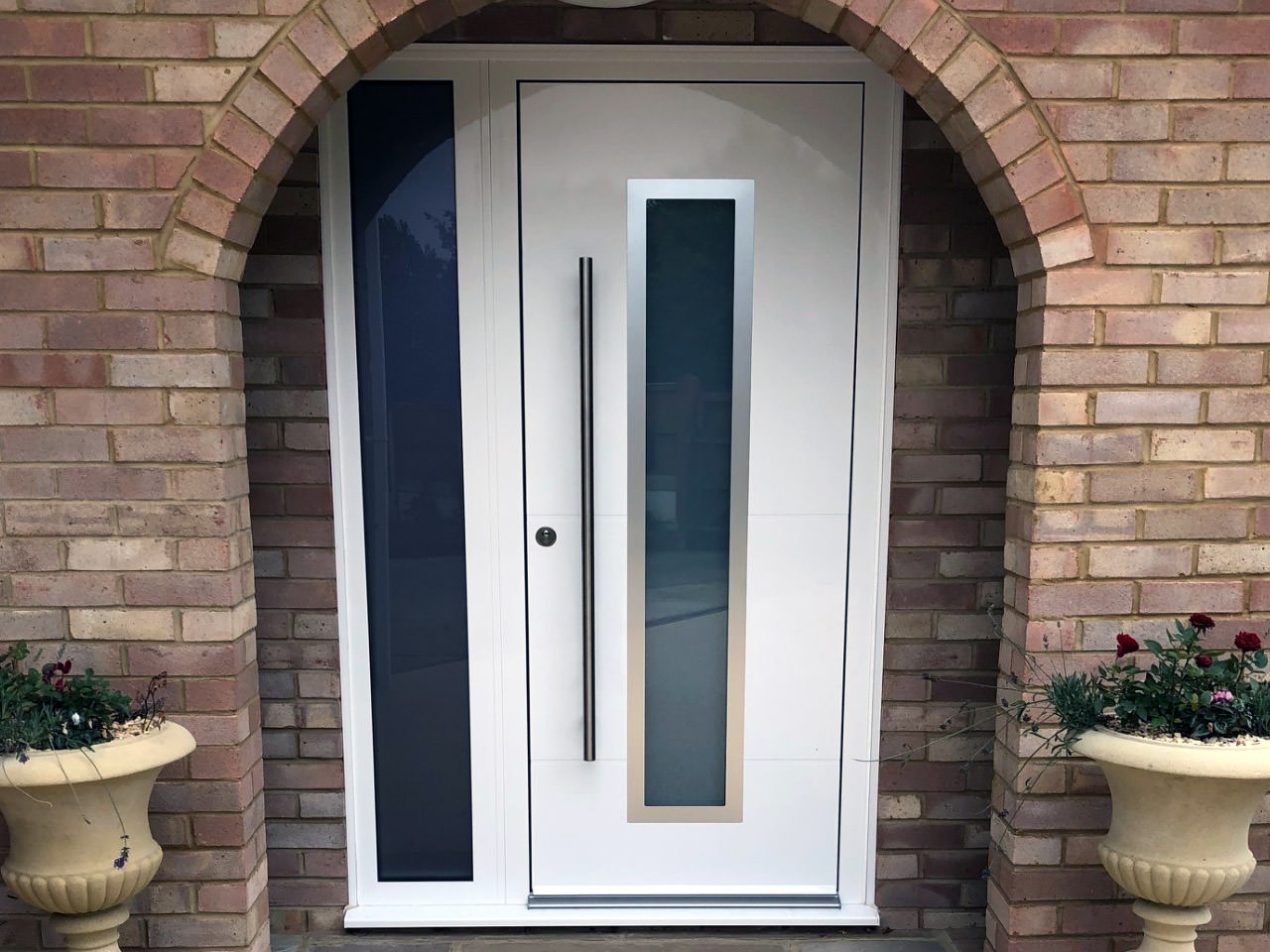
For Modern Estates (Andover, Basingstoke & Newbury): If you are simply replacing a rear utility door, a back kitchen door, or a garage side door, a clean white uPVC Door matches modern existing windows perfectly and offers excellent, practical value for money where high-end styling isn’t required.
8. Frequently Asked Questions
High-quality GRP skins (like those used exclusively by KJM Group) are UV-stable and highly resistant to fading, even on south-facing elevations. Cheaper, inferior composite doors manufactured with ABS plastic skins can notoriously fade and bleach over time, but we only supply premium-grade GRP composites designed specifically to hold their colour.
Technically yes, using specialist plastic-bonding paints, but we highly advise against it. The painted finish rarely lasts, often peels, and invalidates any warranties. If you want a specific, vibrant colour, a factory-finished coloured Composite door is a much better, permanent long-term investment.
Both systems easily meet UK Building Regulations, but Composite doors definitely have the edge due to their sheer thickness (44mm vs 28mm) and dense core. A high-quality composite door can be up to 17% more thermally efficient than a standard solid timber door.
Both uPVC and Composite doors are incredibly low maintenance. A simple wipe down with warm, mild soapy water and a soft cloth every few months is all they need. You should also lightly lubricate the multi-point locking mechanism and hinges once a year with a silicone-based spray to keep them operating smoothly.
📚 Explore Our Door Hub
You’ve compared the materials, now dive deeper into the details:
Need help choosing your new door?
The best way to decide is to feel the solid quality for yourself. Visit the KJM Group showroom in Andover to test our range of composite and uPVC doors, or contact us today for a free, transparent quote across Hampshire, Berkshire, and Wiltshire.
Request a Transparent Quote
Mark Pearce is a highly experienced specialist in the double glazing industry, having built his knowledge from the ground up through hands-on experience in installation, manufacturing, sales, and business management. Beyond his role at KJM, Mark is a keen blogger, writer, and traveller, often sharing insights on the latest innovations in the home improvement industry.
- Comp Door Launches New 2026 Brochure Featuring ‘Total Black Out’ Frames - 11 September 2026
- Solidor launch five new doors - 21 August 2026
- KJM Group Wins Which? Trusted Trader of the Month (Aug 2026) - 4 August 2026