Timber - PVC - Aluminium - Windows, Doors & Conservatories in Hampshire
How to Stop Your Conservatory Overheating: Tiled & Flat Roof Conversions
How to Stop Your Conservatory Overheating: Tiled & Flat Roof Conversions
Category: Home Improvement Advice
Reading Time: 7 Minutes
📌 The Quick Summary
- The Core Problem: Old 16mm polycarbonate and standard glass trap solar radiation, creating a severe greenhouse effect. If your conservatory gets too hot in the July heat, your current roof is to blame.
- Solid Tiled Roofs: Wondering how to stop conservatory getting hot permanently? A lightweight solid tiled system creates a physical barrier to the sun, stopping the overheating instantly.
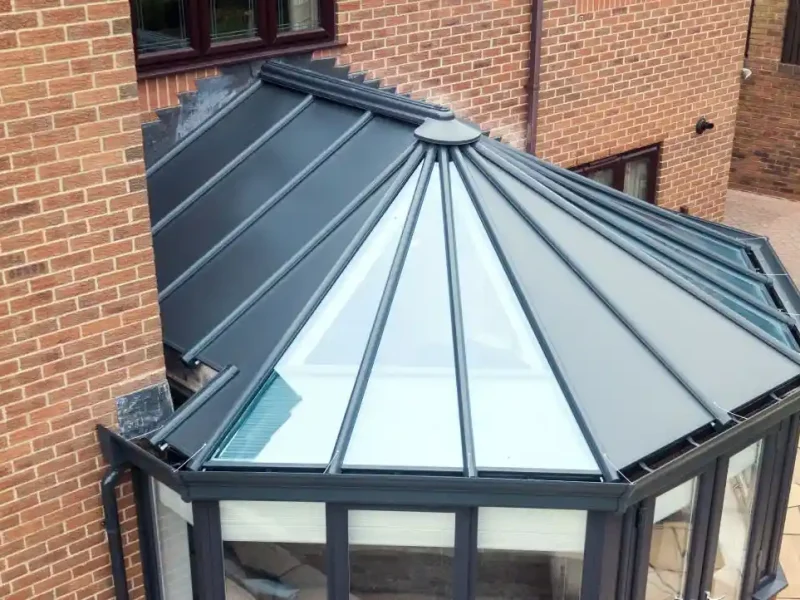
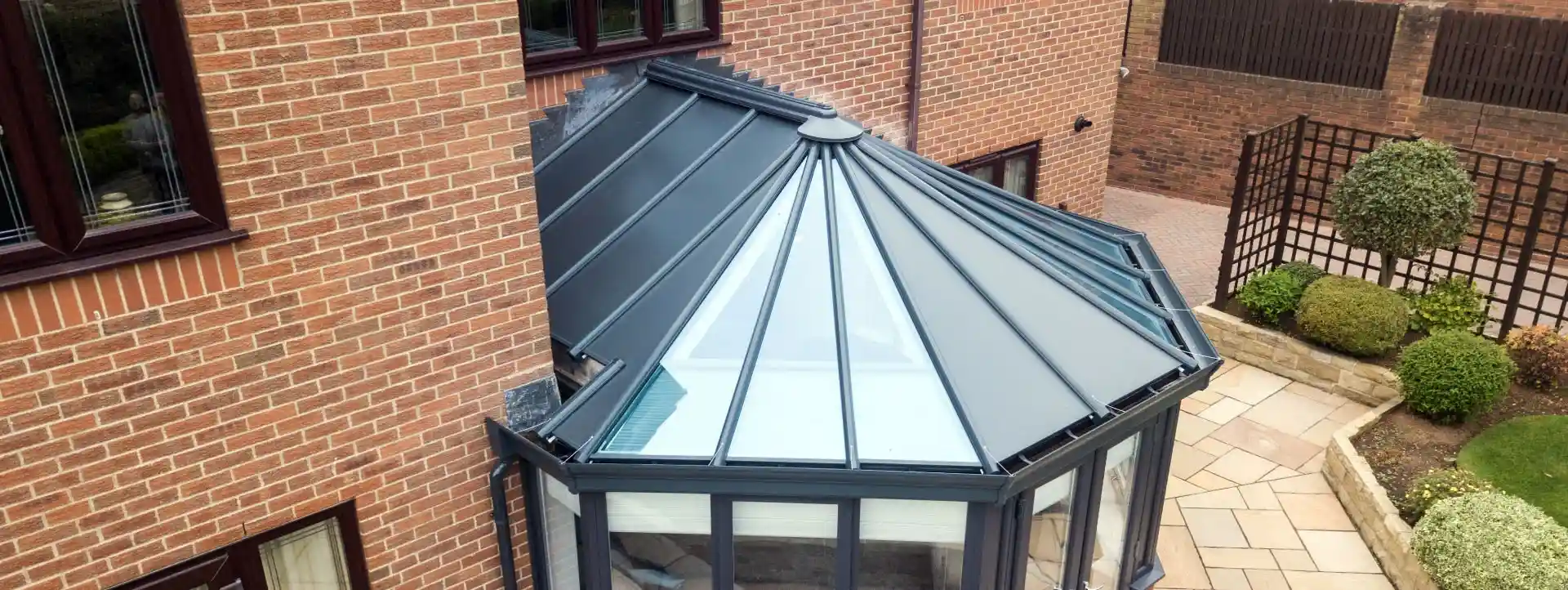
- Flat Roof Conversions: A flat roof conversion with a central glass lantern offers exceptional conservatory temperature control with a sleek, modern aesthetic.
- Structural Safety: Modern replacement roofs are engineered to be lightweight, meaning they can typically sit safely on your existing uPVC window frames without requiring new foundations.
If you are struggling to use your glazed extension because of the weather, you are not alone. Thousands of homeowners across Hampshire, Surrey, and Berkshire face the exact same frustrating issue: they have a conservatory too hot or cold to enjoy for most of the year. During the summer heatwaves, the room acts like an oven, while in January it feels like a freezer.
While there are short-term methods for keeping your home cooler on hot days, if you truly want to know how to stop a conservatory getting too hot, the most effective long-term solution is a complete conservatory roof replacement. By upgrading to a solid tiled roof or a modern flat roof with a lantern, you can permanently transform your seasonal sunroom into a comfortable, year-round living space.
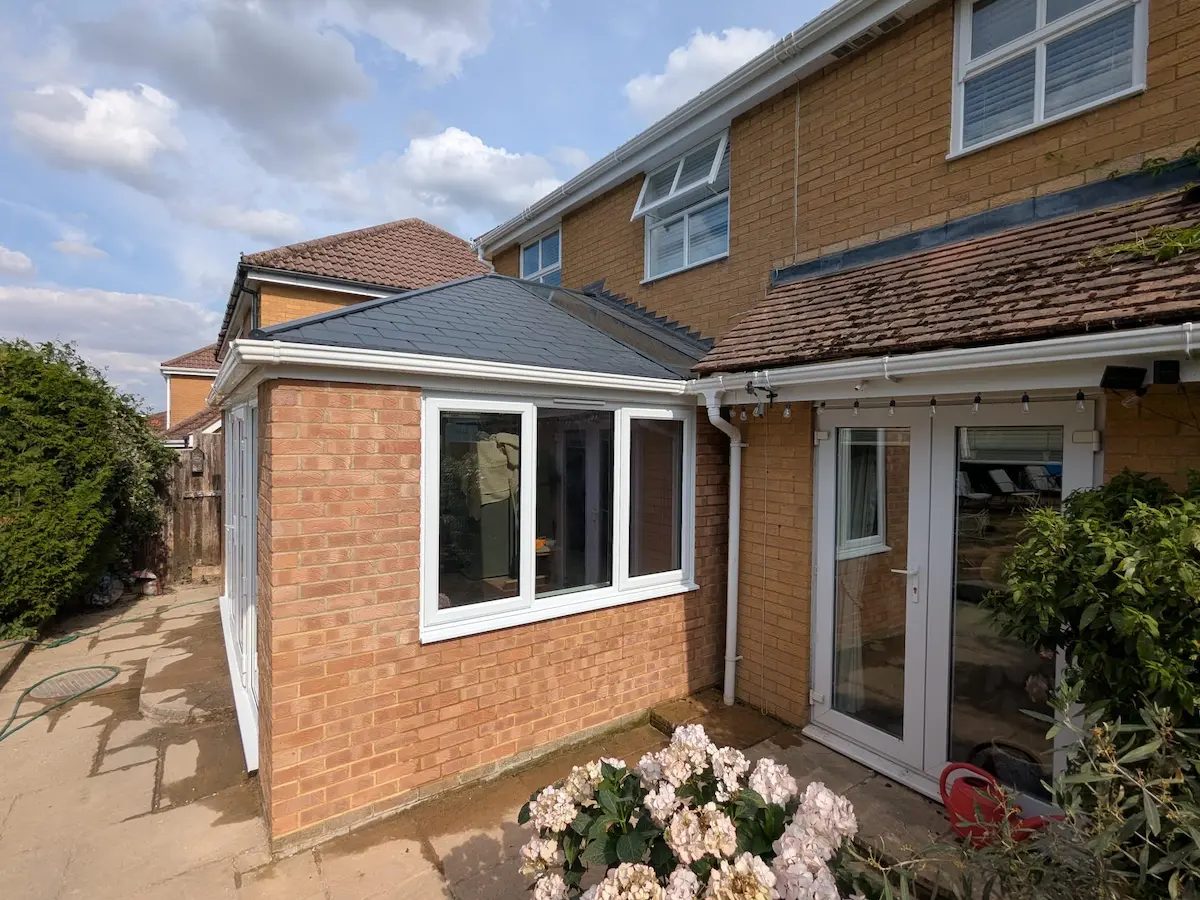
Table of Contents
1. Why is My Conservatory So Hot? (The Greenhouse Effect)
If you find yourself constantly asking, “why does my conservatory get so hot?“ the answer lies in the physics of your roof. The primary reason for conservatory overheating is direct solar transmittance. The raw, infrared heat of the sun passes straight through transparent roofs and gets trapped inside.
Old 16mm polycarbonate roofs and standard double glazing are terrible at reflecting this radiation. Once the heat enters the room, the insulation properties of the double-glazed side windows actually work against you, trapping the hot air inside. This complete lack of thermal regulation is why a room that leaves your conservatory very cold in the winter becomes an unusable sauna in July.
2. How to Stop Conservatory Overheating: Tiled Roofs
If you are looking for the absolute best method for how to stop conservatory getting hot, retrofitting a solid roof is the answer. One of the most popular home improvement projects we undertake is replacing a polycarbonate conservatory roof with a lightweight solid tiled roof system (such as the highly rated Ultraroof).
Unlike transparent roofs that let the sun beat down directly into the room, a solid roof uses thick layers of rigid insulation board and structural timber or aluminium to completely block thermal transmittance from above, offering ultimate conservatory temperature control.
⚠️ Will It Make My Room Too Dark?
Because you are removing a transparent roof, the light entering the rooms directly behind the conservatory will naturally be reduced. To combat this, we highly recommend incorporating full-length rectangular glass panels or Velux rooflights into the solid roof design. This ensures natural light continues to flow into the adjoining rooms.
If you still want to retain a fully transparent aesthetic across the entire ceiling, you must ensure you are using highly technical glazing. You can learn more about these glass-specific alternatives in our buying a conservatory roof glazing choices article, or dive into the science of reflective coatings in our complete guide to solar control glass.
3. The Modern Upgrade: Conservatory Flat Roof Conversion
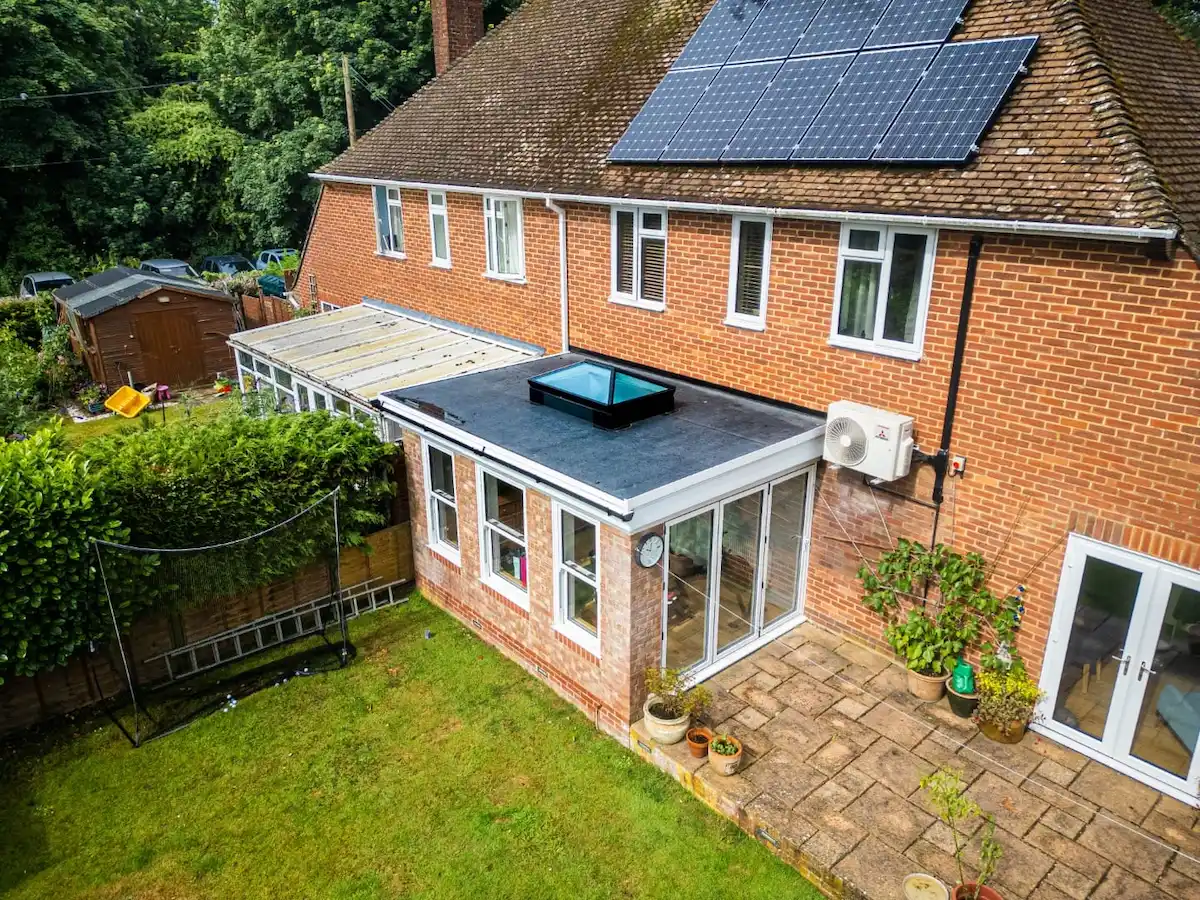
If you want to completely modernise the exterior of your property while fixing your temperature issues, a conservatory flat roof conversion is an incredible architectural upgrade. This is another fantastic method for how to stop conservatory overheating, providing the exceptional thermal efficiency of a traditional brick-and-mortar extension while maintaining a sleek, contemporary roofline.
To prevent the new room from feeling enclosed, we integrate high-performance glass roof lanterns or flat skylights into the deck. This channels natural light directly over dining tables or kitchen islands without subjecting the entire room to the magnifying effect of a full glass roof.
4. Comparing Your Conservatory Temperature Control Options
If you are researching how to cool a hot conservatory, it is vital to understand the thermal differences between the systems before committing to a build. For a comprehensive look at all available designs, we recommend reading our full conservatory roof options guide.
| Roof Replacement System | Solar Heat Rejection (Summer) | Insulation / U-Value (Winter) | Best Suited For |
|---|---|---|---|
| Solid Tiled Roof (Ultraroof) | Exceptional (Complete physical barrier) | 0.15 W/m²K | Blending seamlessly with your existing house roof tiles. |
| Flat Roof with Glass Lantern | Excellent (Controlled light via the lantern) | 0.12 W/m²K (Varies slightly by deck insulation) | Modern, contemporary home extensions and kitchen diners. |
| Performance Solar Glass | Good (Reflects up to 75% of heat) | Approx 1.0 W/m²K | Those wanting maximum “open sky” views and stargazing. |
5. Frequently Asked Questions
If a full roof replacement isn’t in your budget right now, the best short-term solutions for conservatory overheating involve heavy ventilation and shading. Install thermal roof blinds to block direct sunlight, and ensure you open high-level roof vents to let the rising hot air escape.
In most instances, yes. Modern solid roof systems are engineered from lightweight aluminium and composite materials specifically designed to sit on existing PVCu frames. However, our surveyors will always conduct a structural assessment to ensure your current window frames and foundations can safely bear the new load.
Usually, replacing a glass or polycarbonate roof with a solid tiled or flat roof falls under Permitted Development, however a material changes means full planning permission maybe required. The change from a temporary structure to a permanent one means you will need Building Regulations approval. KJM manages this entire certification process for our customers.
Because systems like the Ultraroof and Livinroof are heavily prefabricated off-site, the actual installation is remarkably fast. Most solid roof retrofits can be made completely watertight within one to two days, with internal plastering and electrical finishing completed within the week.

Mark Pearce is a highly experienced specialist in the double glazing industry, having built his knowledge from the ground up through hands-on experience in installation, manufacturing, sales, and business management. Beyond his role at KJM, Mark is a keen blogger, writer, and traveller, often sharing insights on the latest innovations in the home improvement industry.
- Pilkington Launches Optitherm S3 Plus Triple Glazing Glass - 16 October 2026
- Comp Door Launches New 2026 Brochure Featuring ‘Total Black Out’ Frames - 11 September 2026
- Solidor launch five new doors - 21 August 2026