Timber - PVC - Aluminium - Windows, Doors & Conservatories in Hampshire
Conservatory Roof Replacement Options: 2026 Ultimate Guide
Conservatory Roof Replacement Options: 2026 Ultimate Guide
Comparing modern glass, insulated solid tiled, flat, and hybrid conservatory roof systems to help you understand their relative advantages, limitations, and suitability for your home.
The best replacement conservatory roof depends on your priorities, the property, and the suitability of the existing structure:
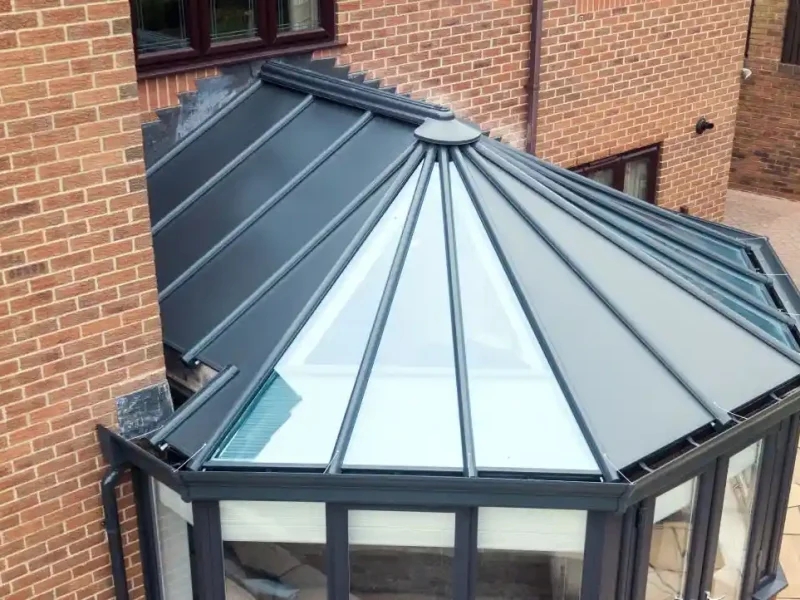
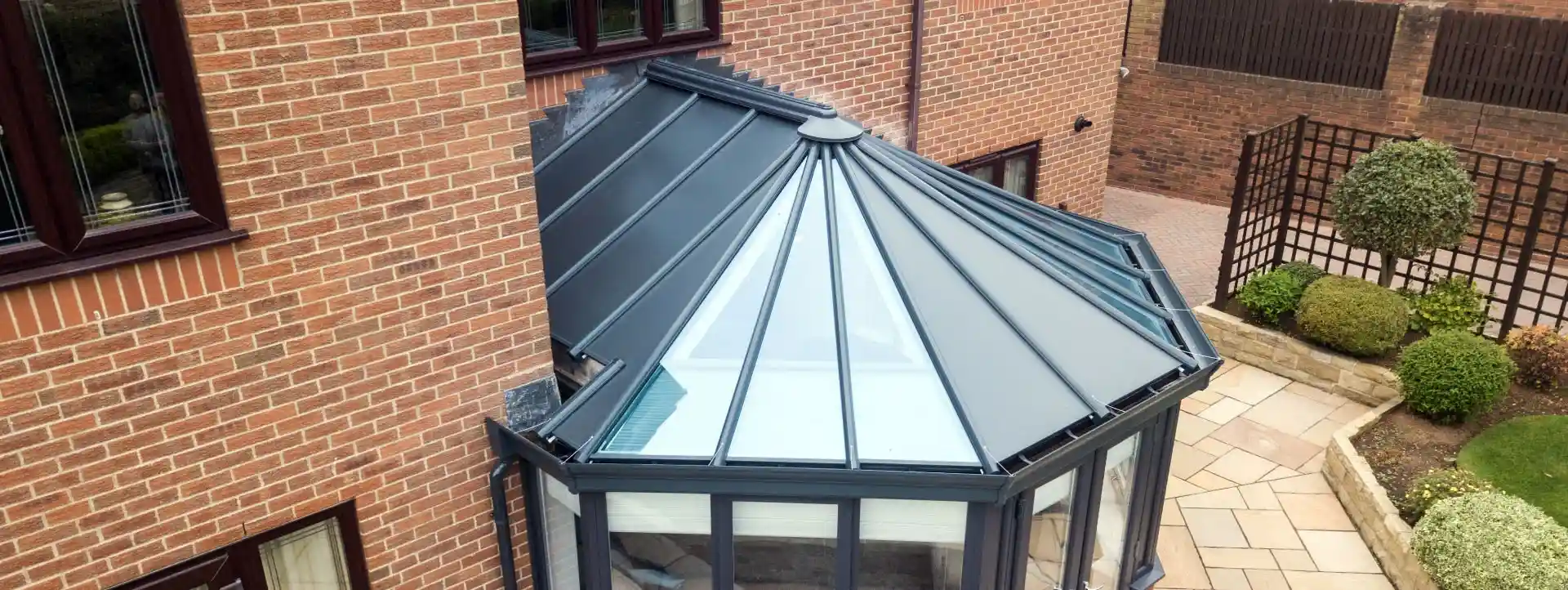
- ☀️ Modern Glass Roof: Retains natural light and views of the sky. It is worth noting that a glass roof may not provide a comfortable all-year-round room in extreme hot or cold temperatures. Performance is influenced by the glazing specification and roof orientation.
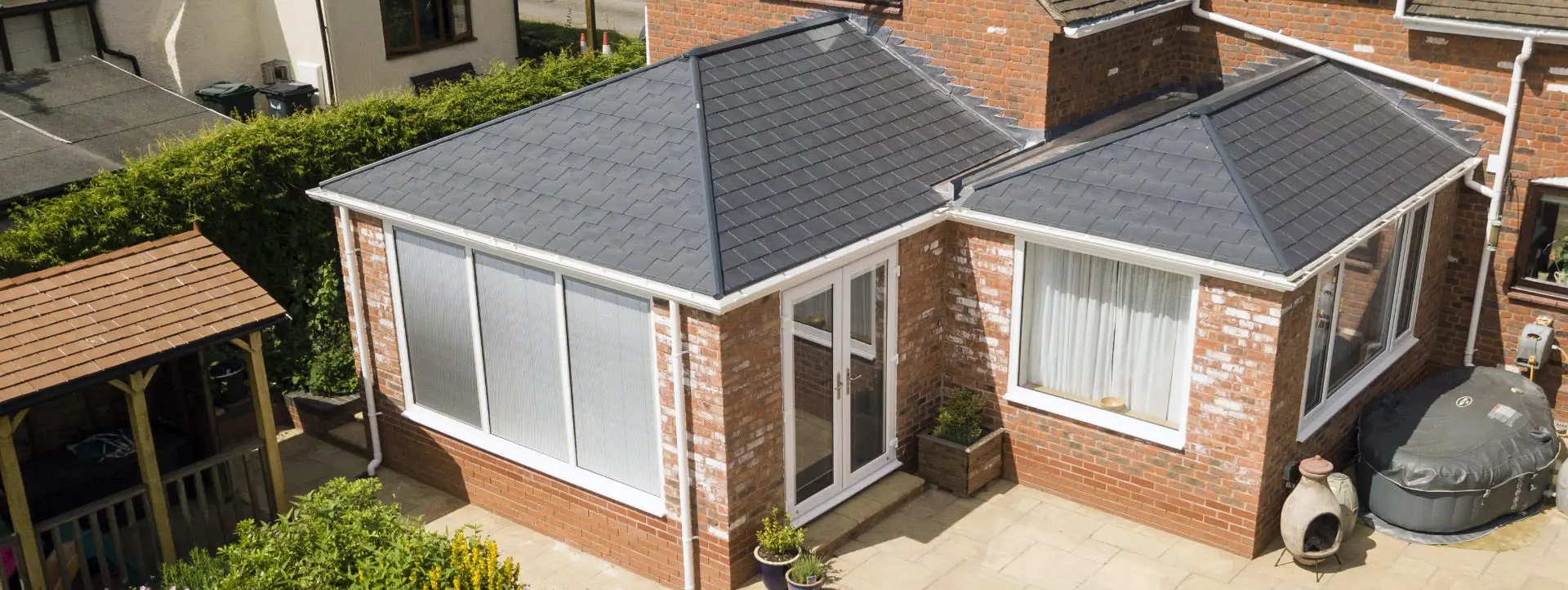
- 🧱 Insulated Solid Tiled Roof: Provides a more conventional internal ceiling and helps reduce heat transfer when properly specified.
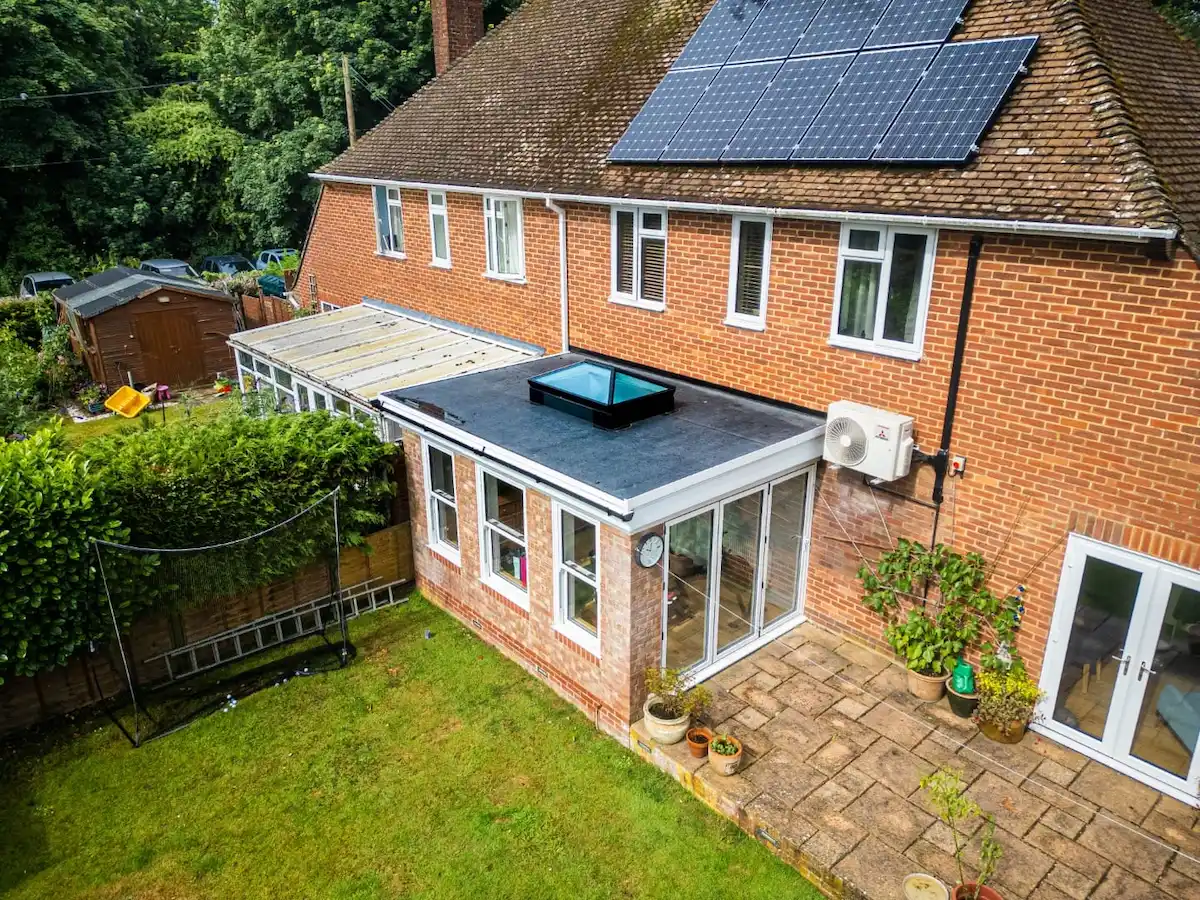
- 📐 Flat Roof with Lantern: Offers a contemporary extension-style finish with natural light focused below a central roof lantern.
- ⚖️ Hybrid Roof (Livinroof): Combines insulated sections with selected glazed areas, offering a balance between daylight and a more solid internal finish.
In many cases, replacing an existing conservatory roof may be possible without rebuilding the entire conservatory. However, this depends on the condition and suitability of the existing structure and the requirements of the proposed roof system.
Each option has advantages and limitations. Comparing the proposed specifications and arranging a survey can help establish which solution is most suitable for your conservatory.
| Roof Type | Natural Light | Thermal Performance Potential | Appearance & Internal Finish | Main Advantages | Important Considerations |
|---|---|---|---|---|---|
| Modern Glass Roof | High (open-sky view) | Variable (depends on specification) | Classic glazed conservatory | Preserves maximum daylight and garden views. | Thermal performance, solar gain, and glare depend heavily on glazing specification and orientation. |
| Solid Tiled Roof (e.g. Ultraroof) | Reduced (unless rooflights added) | High (insulated build-up) | Traditional extension with plastered ceiling | Provides a conventional ceiling and assists in reducing heat transfer. | Reduces overhead daylight; suitability depends on existing framework load-bearing capacity. |
| Flat Roof with Lantern | Moderate (focused below lantern) | High (warm deck flat roof) | Contemporary orangery/extension | Creates a modern architectural feature with focused task lighting. | Requires structural deck support and suitable eaves detailing. |
| Hybrid Roof (e.g. Livinroof) | Configurable (tailored glass layout) | High (insulated panels) | Modern architectural finish | Allows the balance between glazed and insulated sections to be customized. | Glazing placement, panel layout, and overall cost vary significantly by project design. |
Page Contents
- 1. Assessing Your Existing Frames & Structure
- 2. Option 1: Insulated Solid Tiled Roofs
- 3. Option 2: Flat Roofs with Roof Lanterns
- 4. Option 3: Hybrid Roofs (Livinroof)
- 5. Option 4: Performance Glass Roofs
- 6. Interactive: Roof Preference Assessor
- 7. Building Regulations & Compliance
- 8. Illustrative Installation Timescales
- 9. Frequently Asked Questions
1. Assessing Your Existing Frames & Structure
Before choosing a replacement conservatory roof, the existing structure should be assessed to establish whether it is suitable for the proposed system. This may include checking the condition and load-bearing capacity of the frames, supports, foundations, and other relevant structural elements.
Some conservatories may be suitable for a straightforward replacement, while others may require additional support or wider alterations. The appropriate solution should be confirmed following a professional survey and in accordance with the proposed system’s technical requirements.
If you are exploring whether your roof should be replaced and the broader replacement process, read our companion guide on replacement conservatory roof considerations.
2. Option 1: Insulated Solid Tiled Roofs (e.g., Ultraroof)
An insulated solid roof can provide a more conventional internal ceiling and help reduce heat transfer when properly specified.
The exterior finish can often be coordinated with your property’s existing roof coverings using lightweight composite slate or tiles. Internally, the addition of plasterboard forms a vaulted ceiling, providing space for integrated downlights or pendant fittings. However, converting to a fully solid roof generally reduces direct overhead light, so integrating full-height glass panels or rooflights should be considered if maintaining natural light is important.
Detailed Specification: Review our dedicated Ultraroof Product Guide.
3. Option 2: Flat Roofs with Roof Lanterns
A flat roof with a roof lantern can be an option for homeowners who want a more contemporary conservatory design while retaining natural light from above.
Thermal performance depends on the specification of the roof construction, insulation, lantern glazing, and the quality of installation. The proposed design should be assessed against the applicable Building Regulations requirements before work begins. Ask your installer to explain the expected thermal performance and confirm which compliance arrangements apply to your project.
Product Information: Explore KJM’s Flat Roof Extension Options.
4. Option 3: Hybrid Roofs (e.g., Livinroof)
Hybrid roof systems offer a balance between an insulated ceiling and daylight entry by combining solid insulated panels with tailored glazed sections.
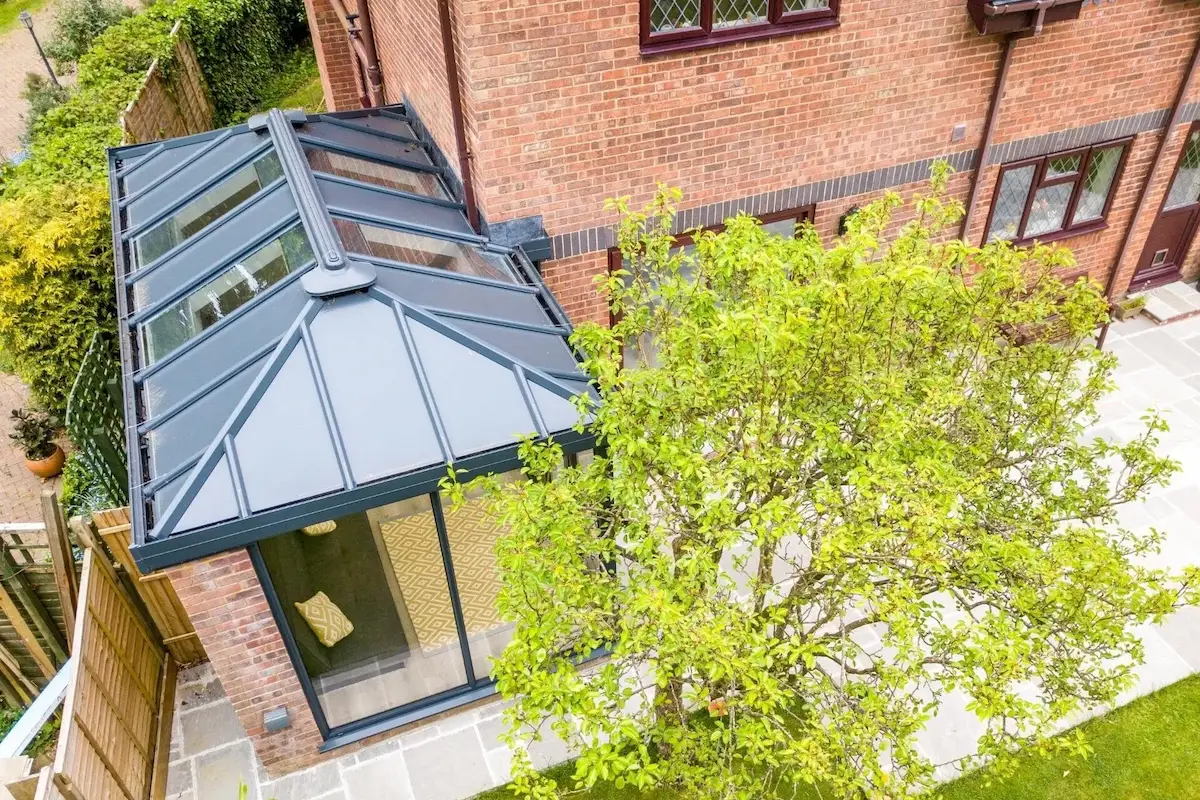
The Livinroof system utilizes insulated composite panels alongside shaped glass sections that can be inserted to suit the room’s orientation. Internally, a vaulted ceiling or perimeter pelmet is plaster-finished to blend with the interior of your home, allowing lighting or audio cables to be discreetly concealed.
Product Information: Read our full Livinroof Guide.
5. Option 4: Performance Glass Roofs
A modern glass roof can retain natural light and views of the sky, with thermal performance influenced by the glazing specification, framing system, and roof orientation.
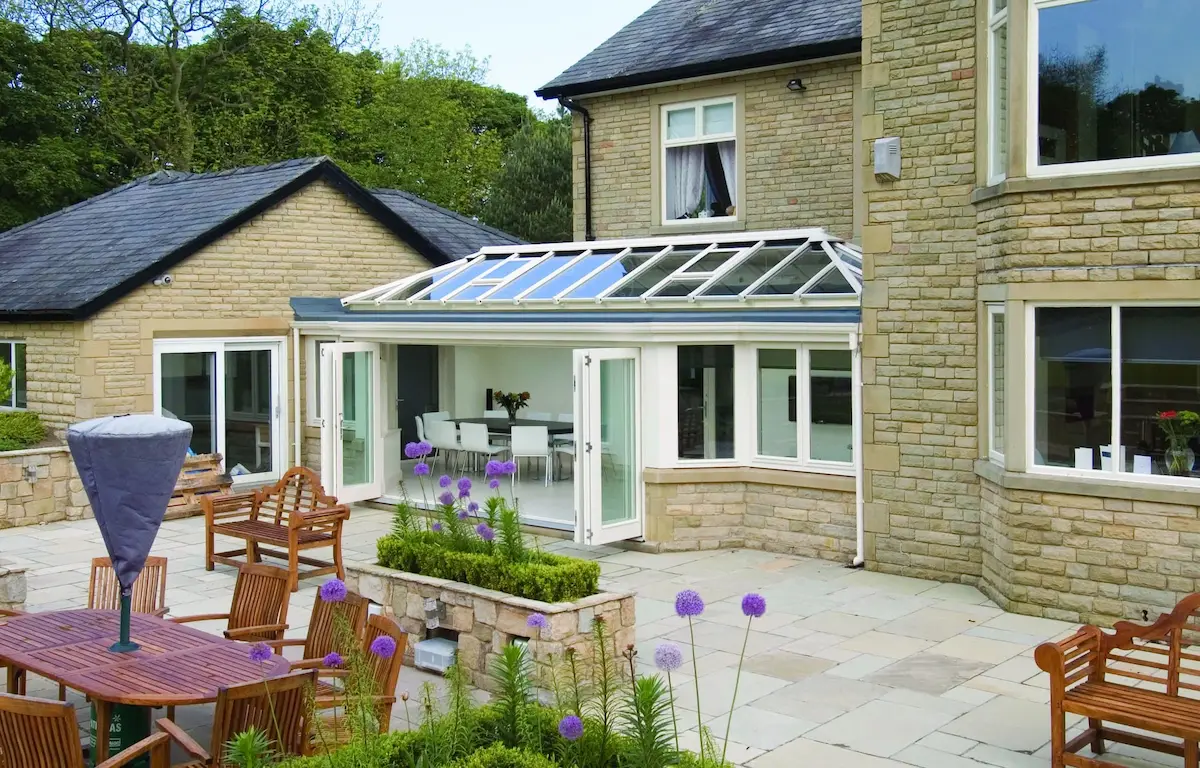
Modern high-performance glass can offer improved thermal insulation and solar control compared with older conservatory glazing (such as standard polycarbonate). Before replacing the glazing, check that the proposed units are compatible with the existing roof framework and confirm whether the planned work requires any regulatory checks or approvals.
6. Interactive: Roof Preference Assessor
Use this tool to explore which roof type aligns with your light and aesthetic preferences.
Disclaimer: This assessor provides general guidance based on your preferences. The suitability of a replacement roof depends on your existing conservatory, the proposed system, and any applicable building requirements. A survey is needed before a specific recommendation can be confirmed.
1. How do you primarily intend to use the space?
2. What is your priority for overhead natural daylight?
Suggested Option to Explore
7. Building Regulations & Compliance
Replacing an existing conservatory roof with a different construction can affect the building’s structural requirements and thermal performance. Building Regulations approval or an applicable compliance route may need to be considered, depending on the property and the proposed work.
⚖️ Regulatory & Compliance Steps
- Building Regulations: Before installation, confirm the relevant requirements with the appropriate building control body. Ask your installer to explain which approvals, assessments, and completion documents apply to your project and who is responsible for arranging them. Review official UK Government guidance here External Link.
- Planning Permission: Replacement roofs on existing conservatories often fall within Permitted Development rights. However, full planning permission or special consents may apply if you alter the roof height, reside in a Conservation Area, own a Listed Building, or if an Article 4 Direction is present.
- The KJM Service: Where KJM Group coordinates these arrangements on a particular project, our team will outline exactly what building control submissions and documentation are included in your schedule of works.
8. Illustrative Installation Timescales
The time required to install a replacement conservatory roof depends on the chosen system and the condition of the existing conservatory. A straightforward installation may be completed within a relatively short period, while additional structural work or internal finishing can extend the programme.
If using a prefabricated solid roof system on a straightforward project, an illustrative schedule might look like this:
- Initial Phase: Dismantling the existing roof and installing the new structural framework, external water-resistant membranes, and exterior finishes to make the room watertight.
- Follow-on Work: Internal insulation, plasterboarding, and first-fix electrical work.
- Finishing Phase: A wet plaster skim is applied. (Note: Fresh plaster requires adequate time to dry thoroughly before second-fix electrical fittings can be connected and decorating can commence.)
Your installer should confirm the expected timescale after surveying the conservatory and agreeing the specification. Ask what is included in the schedule, particularly plastering, electrical work, and any follow-on finishing.
9. Frequently Asked Questions
Planning permission is usually not required for a standard roof replacement if you are doing a like-for-like repair or swap on a standard house. This generally falls under national Permitted Development rights. However, you may need to apply for planning permission or special consent if:
- You change the roofing material to something significantly different.
- You alter the structure, height, or pitch of the roof.
- You live in a Conservation Area.
- Your property is a Listed Building (requiring Listed Building Consent).
- An Article 4 Direction is in place on your property.
We always advise checking with your Local Authority before proceeding.
Unlike a traditional timber and slate roof which can take weeks, premium prefabricated systems like the Ultraroof and Livinroof can typically be made watertight in just one day. However, it can take a day to take down the old roof, and the internal plastering, finishing, and first and second fix electrics will generally take a further 2-3 weeks, as time is needed between trades to allow materials like plaster to properly dry.
A properly designed and installed replacement roof can help improve comfort, but condensation may still occur under certain conditions. The result depends on the roof specification, insulation, ventilation, moisture levels, and installation quality. Ask your installer how the proposed system manages ventilation and moisture, and whether any additional improvements may be appropriate for your conservatory.
Fitting a solid roof will reduce overhead daylight compared with full glazing, which can affect the brightness of adjoining living rooms. However, integrating full-height glass panels, rooflights, or selecting a hybrid system (such as Livinroof) can help balance internal shading with directed natural daylight. A white-painted plastered ceiling may also help reflect ambient light from side windows.
Some conservatories may be suitable for a straightforward roof replacement using the existing frames, while others may require additional support or frame upgrades. An installer must assess the condition and load-bearing capacity of the existing frames, mullions, and foundations to ensure they can safely support the dead and live loads of the proposed roof system.
📚 Explore Further Roofing Options
Review technical product guides and services relevant to your home:
Discuss Your Conservatory Roof Options
KJM Group supplies and installs replacement conservatory roof systems in Andover, Hampshire, and surrounding areas. We can assess your existing conservatory, discuss the available roof options, and help you understand which solutions may be suitable for your property.
Explore KJM’s Replacement Roof Service
or contact our team to arrange a technical survey and receive a detailed quotation.

Mark Pearce is a highly experienced specialist in the double glazing industry, having built his knowledge from the ground up through hands-on experience in installation, manufacturing, sales, and business management. Beyond his role at KJM, Mark is a keen blogger, writer, and traveller, often sharing insights on the latest innovations in the home improvement industry.
- Pilkington Launches Optitherm S3 Plus Triple Glazing Glass - 16 October 2026
- Comp Door Launches New 2026 Brochure Featuring ‘Total Black Out’ Frames - 11 September 2026
- Solidor launch five new doors - 21 August 2026