



At KJM Group, we believe in complete transparency. Understanding the difference between Planning Permission (how it looks) and Building Regulations (how it performs) is vital for protecting your home’s value.
🧱 The 75% Rule
If you replace a glass conservatory roof with a solid tiled roof, you trigger Building Regulations immediately.
💨 Part F Ventilation
To comply with updated standards, almost all replacement windows must now feature integrated trickle vents.
✅ FENSA Certification
Using a FENSA-registered installer ensures your new windows and doors are legally compliant for when you sell your home.
Page Contents
1. Why Compliance Matters
Building Regulations are not just "red tape"—they ensure your home is structurally safe, dry, and energy-efficient. Failing to comply (for example, by using an unregistered "cowboy" installer or a cheap roof cladding system) has serious long-term consequences:
- Insurance Voids: If a non-compliant roof collapses or causes a fire, your home insurance may outright refuse to pay out.
- Resale Issues: Solicitors will demand a Completion Certificate for any structural work. Without one, you may be forced to pay for an expensive "Regularisation" inspection or indemnity insurance, which can collapse a property chain.
- Enforcement Notices: Local councils possess the legal power to force you to demolish illegal work at your own expense.
2. Conservatory Roofs & The "75% Rule"
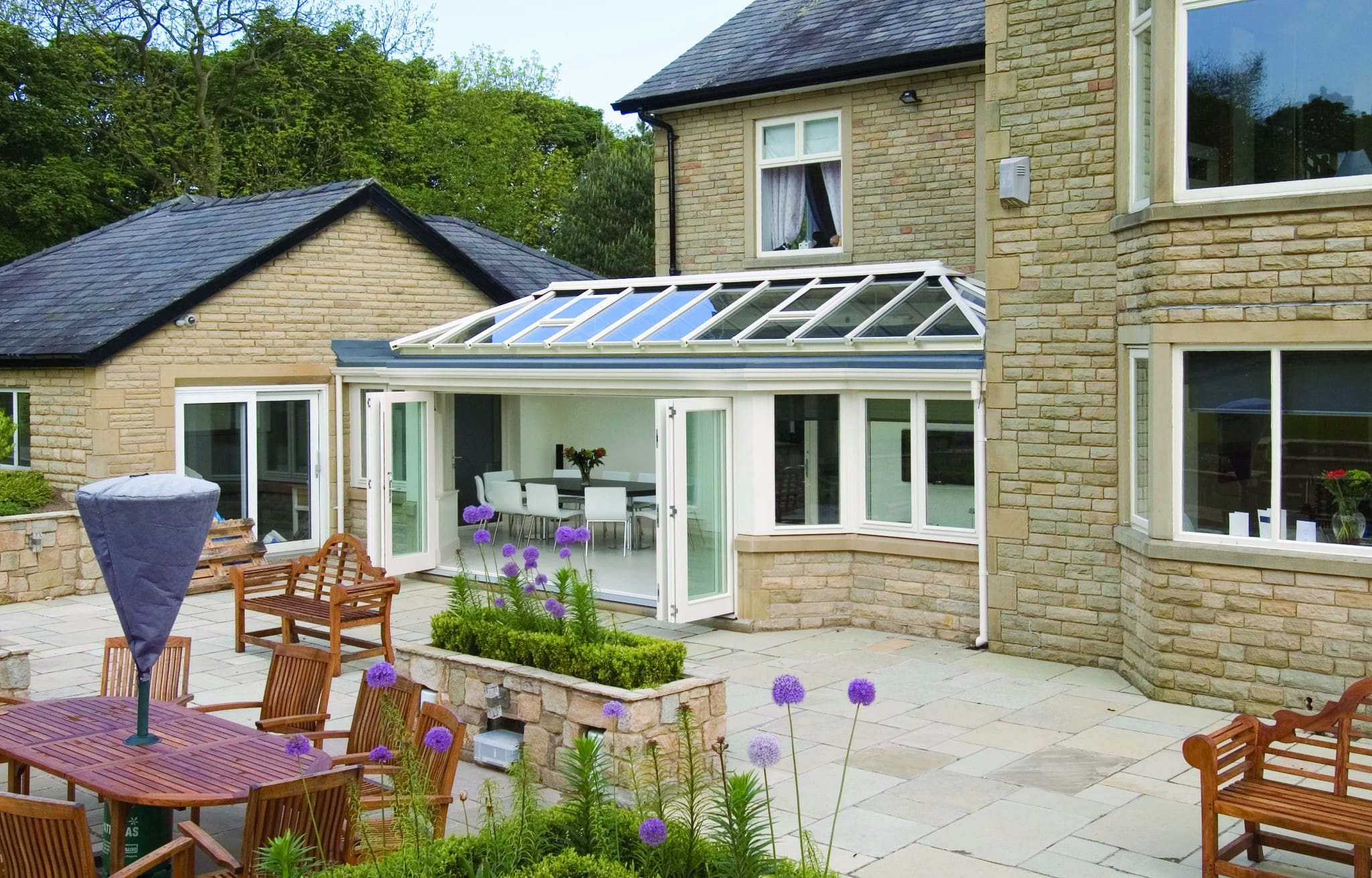
This is arguably the most critical regulation to understand for 2026. Historically, traditional conservatories were considered "exempt" from building regulations provided they had independent doors, a heating system completely separate from the main house, and—crucially—75% of the roof was translucent (made of glass or polycarbonate).
⚠️ The Solid Roof Trap
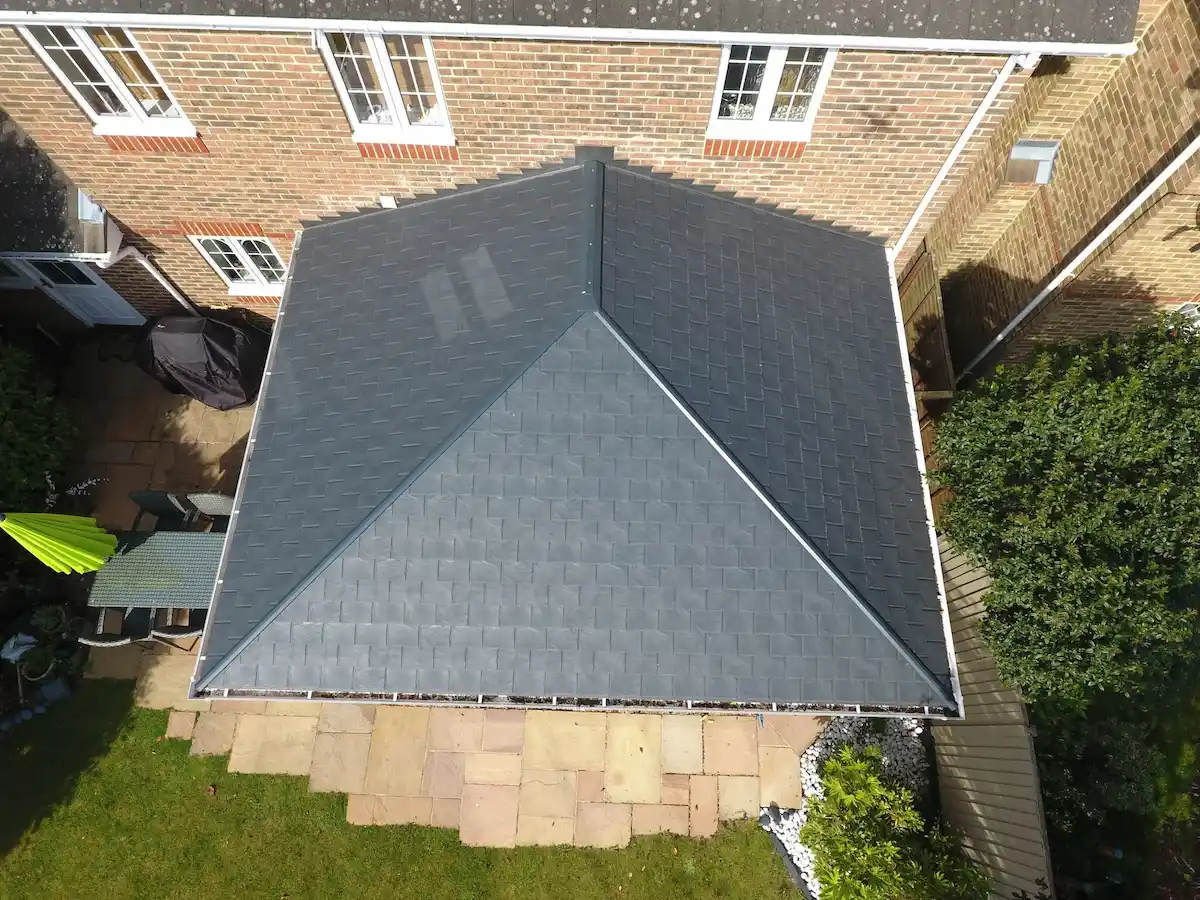
The moment you install a solid tiled roof, you no longer meet the 75% rule. The structure is legally re-classified as an extension. Therefore, you legally MUST obtain Building Regulations approval for the structure and insulation.
Many cheap "clad-over" systems ignore this law entirely, leaving you with an illegal structure that traps moisture and creates a severe fire risk.
The Solution: A Certified Warm Roof
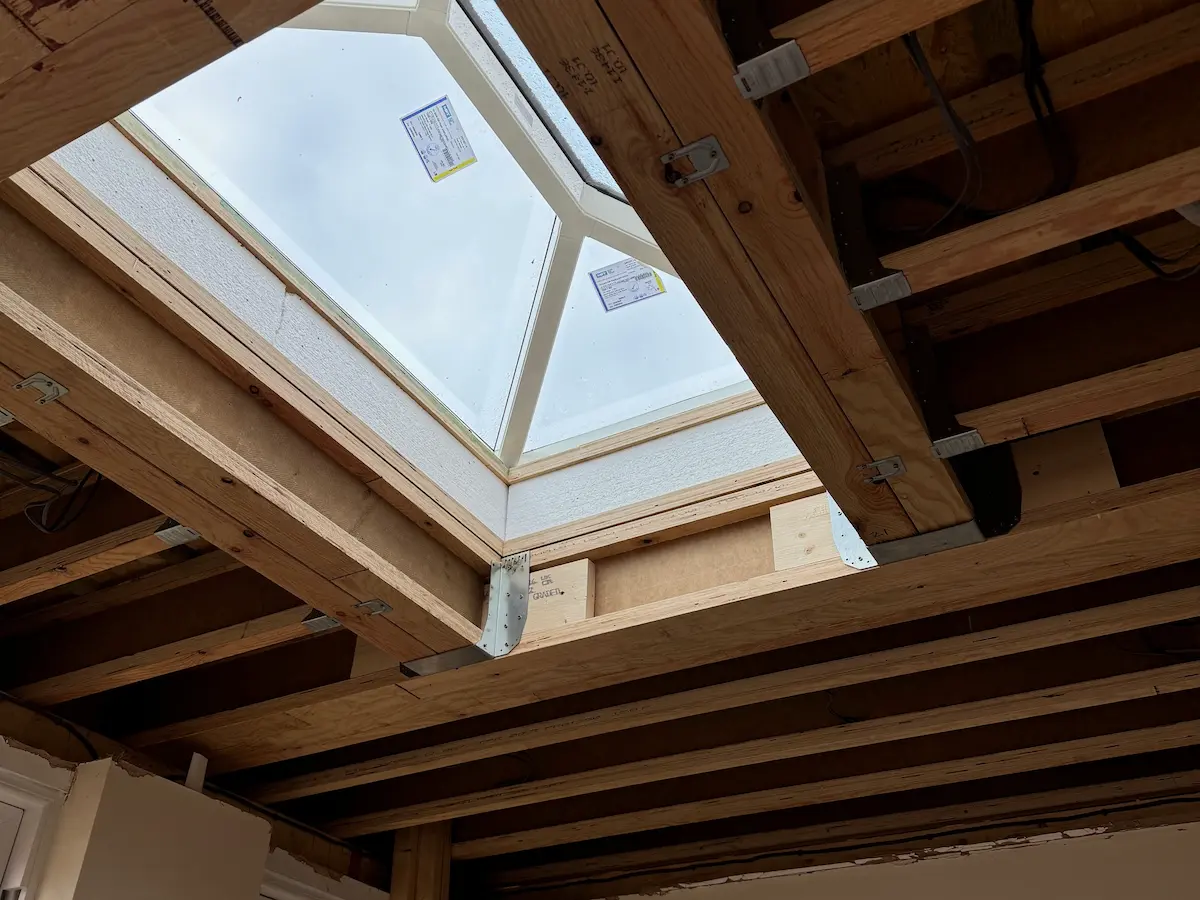
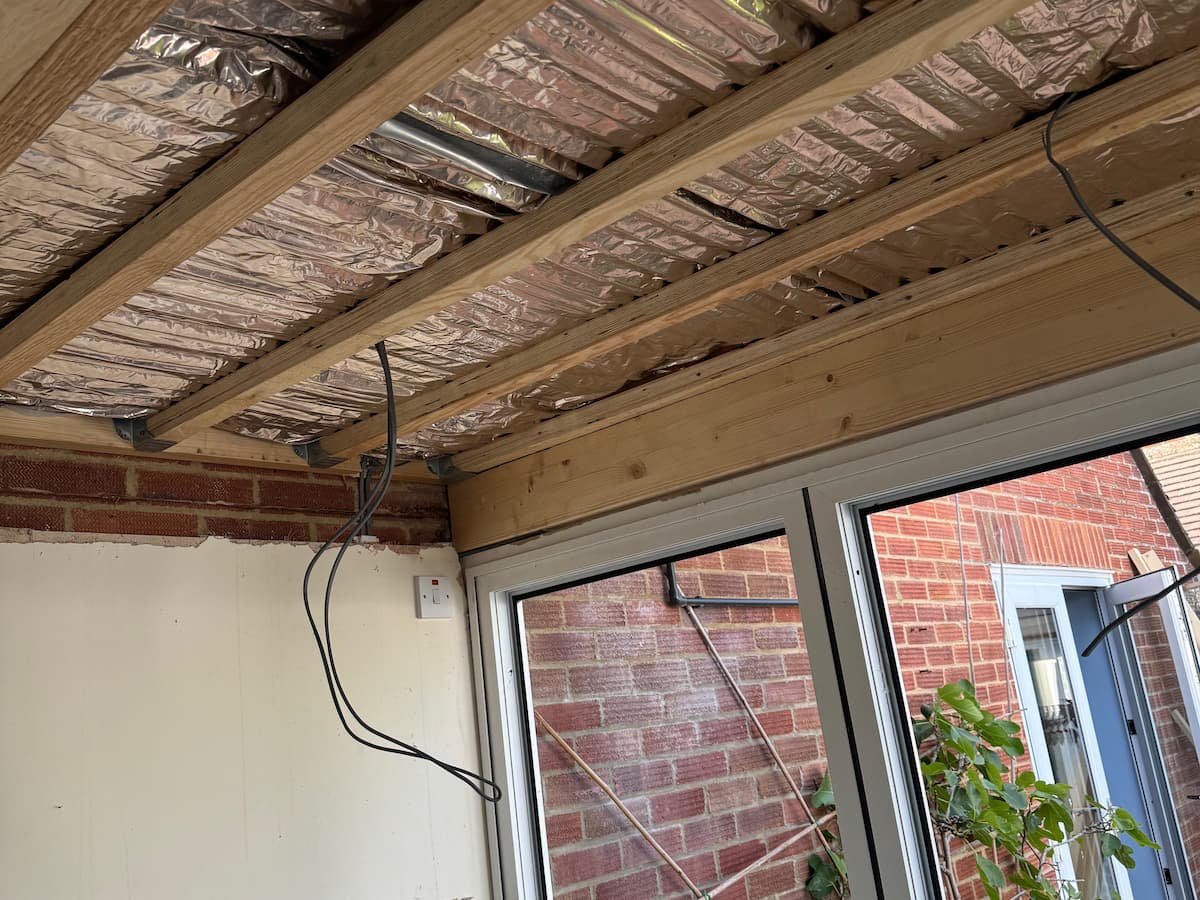
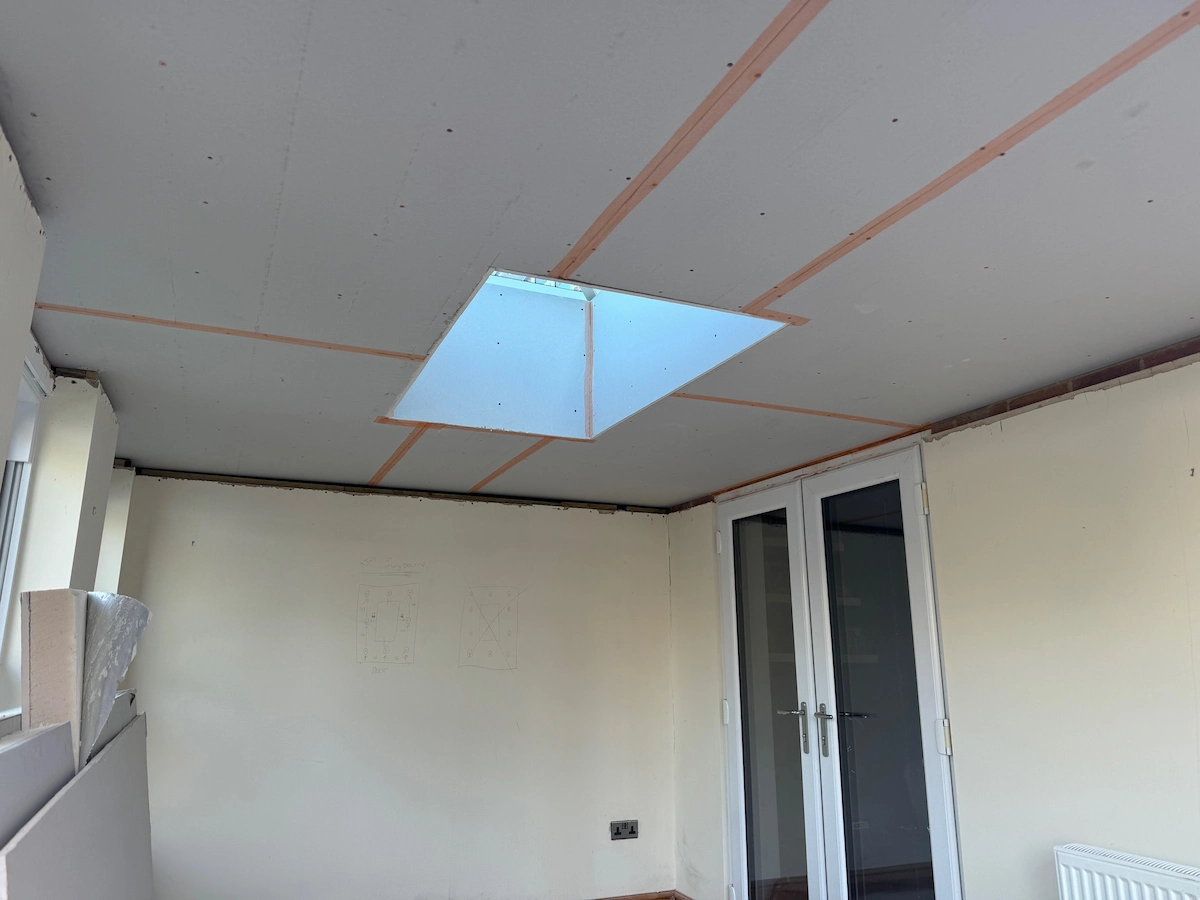
To legally comply with Part L (Thermal Efficiency), your new solid roof must meet a strict U-Value of 0.15 W/m²K. At KJM, we physically remove the entire existing roof structure before installing a brand-new, highly insulated Solid Conservatory Roof system that comes with full Local Authority Building Control (LABC) approval.
3. Windows & Doors (FENSA & Part F)
Since April 2002, all replacement glazing in dwellings must officially comply with Building Regulations. KJM Group is a proudly registered FENSA Company, meaning we handle all this vital certification for you automatically.
- ✓Part L (Thermal): Windows must meet specific U-values to significantly reduce heat loss.
- ✓Part K (Safety): Toughened safety glass is legally mandatory in doors, and in any windows within 800mm of the internal floor level.
- ✓Part F (Ventilation): A crucial recent update. Most replacement windows must now include Trickle Vents to ensure continuous background ventilation and prevent mould, unless you can mathematically prove your home already possesses a mechanical ventilation system.
- ✓Fire Egress (Part B): Replacement windows in bedrooms must provide a clear escape route equivalent to, or better than, the original window layout.
4. Solar Panels & Structural Load
In many residential cases, fixing solar panels to a roof is considered 'Permitted Development'. However, from a Building Regulations perspective, you must carefully consider Part A (Structure).
Exactly like adding a solid warm roof, solar panels add significant dead weight to a property. The existing roof structure must be surveyed by a professional to ensure it can safely carry the load of the panels, combined with potential wind and snow loads. This is particularly vital for older properties constructed with lighter roof trusses.
5. Need Detailed Planning Advice?
Remember the golden rule: Building Regulations are strictly about safety and performance. Planning Permission is about size, appearance, and your neighbours.
For a highly detailed breakdown of property size limits and permitted development rights, please read our dedicated guide: The Conservatory Planning Permission Guide.
6. Frequently Asked Questions
Without a certificate, your local council can issue an enforcement notice requiring you to alter or remove the work. Additionally, you will likely find it impossible to sell your home, as the buyer's solicitor will demand proof of compliance.
Yes. Under the recent changes to Part F (Ventilation), almost all replacement windows must now include trickle vents to ensure adequate airflow and prevent mould, unless you can formally prove the existing background ventilation is sufficient.
It is not illegal to buy the materials, but installing a clad-over roof almost always breaches Building Regulations Part L (Thermal) and Part A (Structure). Without a completion certificate, the property may be unsellable. Verify standards with the LABC External Link.
📚 Explore Our Performance Glazing Hub
Now you understand the essential legal requirements, explore our comprehensive guides to upgrading your home the right way:
Ensure Your Project is 100% Compliant
Don't risk your home's value with non-compliant solutions. Trust KJM Group to handle the planning, the build, and all the required legal certification across Hampshire.
Book a Free Site Survey