
Timber - PVC - Aluminium - Windows, Doors & Conservatories in Hampshire
Healthy Home Guide: 10 Wellbeing Tips for UK Living
Healthy Home Guide: 10 Wellbeing Tips for UK Living
Is your internal living space actively making you sick? We comprehensively explore highly practical, structural ways to permanently improve indoor air quality, eradicate dangerous black mould, and successfully boost your overall family wellbeing.
Our personal homes are deeply intended to be our ultimate sanctuaries, but are they genuinely as healthy as they could be? We incredibly often focus heavily on strict diets and daily exercise for physical wellbeing. However, the actual physical structure we heavily spend most of our time inside—the specific air we constantly breathe, the natural light we absorb, and the thermal temperature we endure—plays an absolutely massive role in our overall physical and mental health.
Consequently, this comprehensive guide successfully goes far beyond mere temporary lifestyle choices. Ultimately, we expertly explore highly practical, structural ways to physically transform your current living space into a genuinely safe, breathable haven of health without relying on expensive gimmicks.
💨 Optimal Ventilation
A genuinely healthy home absolutely needs to breathe freely. Intelligently using continuous trickle vents effectively prevents dangerous airborne mould spores from aggressively multiplying.
🔇 Acoustic Peace
Meaningful, restorative sleep strictly requires total silence. Upgrading your property to advanced acoustic glazing drastically reduces stress-inducing external noise pollution.
🌿 Natural Biophilia
Actively connecting with beautiful nature directly indoors through lush plants and organic wooden materials scientifically lowers human cortisol levels and massively boosts daily mood.
📋 Healthy Home Audit
Be completely honest to effectively gauge your current environmental health.
Page Contents
- 1. Prioritise Proper Ventilation: Let Your Home Breathe
- 2. Master Moisture Control to Prevent Black Mould
- 3. The Definitive Healthy Home Routine
- 4. Optimise Your Thermal Comfort
- 5. Rethink Your Heating Strategy
- 6. Harness the Biological Power of Light
- 7. Biophilic Design: Bringing the Outdoors In
- 8. Acoustic Comfort: Silence is Golden
- 9. Frequently Asked Questions
1. Prioritise Proper Ventilation: Let Your Home Breathe
Exactly like the human body, our modern, highly sealed homes desperately need to actively breathe. Unmoving, totally stagnant air can dangerously trap heavy pollutants, Volatile Organic Compounds (VOCs) from cleaning products, and invisible pet allergens, frequently leading to a severe host of respiratory issues.
If you are currently researching exactly how to improve indoor air quality at home, these foundational, structural steps are absolutely critical:
- Open Windows Regularly: Even in freezing colder months, decisively opening your main windows for just 10-15 minutes a day can significantly, instantly improve indoor air quality by powerfully flushing out highly stale, polluted air.
- Use Mechanical Extractor Fans: You must absolutely ensure you run powerful extractor fans in the busy kitchen and steamy bathroom during, and crucially after, cooking or showering.
- Embrace Trickle Vents: Modern double glazing legally features tiny trickle vents precisely to provide constant, incredibly secure background ventilation without freezing the room.
2. Master Moisture Control to Prevent Black Mould
Lingering excess moisture is undeniably the absolute worst enemy of a genuinely healthy home. It effortlessly creates the perfect, warm breeding ground for toxic black mould (Stachybotrys chartarum) and heavy mildew, which are both highly potent respiratory allergens.
According to the official NHS guidance NHS.uk, the documented health effects of black mould in houses are incredibly severe, frequently triggering terrible asthma attacks, chronic coughing, and severe allergic reactions. To effectively stop it permanently, you must ruthlessly control the internal water vapor.
- Fix Structural Leaks Promptly: Absolutely do not ignore that annoying dripping tap or tiny water stain. Urgently address tiny leaks in old pipes or degraded windows immediately before they spread into the brickwork.
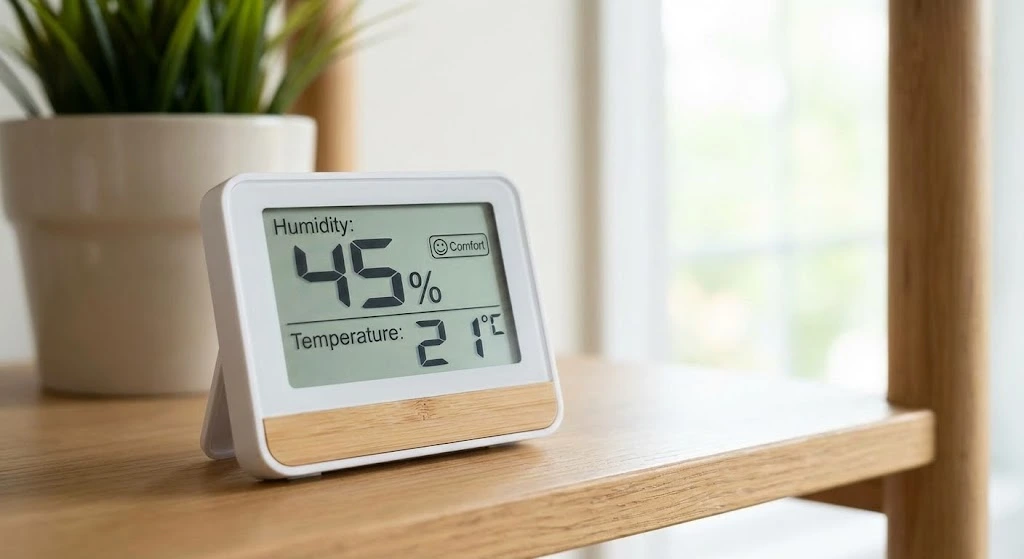
- Monitor Scientific Humidity: Aim to strictly keep your daily indoor humidity comfortably between 40% and 60%. You can easily use a highly simple digital hygrometer to accurately track this crucial metric.
- Clear Exterior Drainage: Ensure your home’s exterior gutters are completely clear to permanently prevent heavy damp from penetrating the masonry walls.
3. The Definitive Healthy Home Routine
Achieving a perfectly healthy home requires establishing highly consistent daily habits. We have expertly compiled this incredibly simple, actionable schedule to completely eradicate stagnant air and terrible condensation.
| Frequency | Vital Action Required |
|---|---|
| Daily Routine | Execute a rapid 10-minute ‘Shock Ventilation’ by opening windows wide. Ensure all window trickle vents strictly remain open 24/7. |
| Weekly Routine | Thoroughly vacuum heavy carpets to totally remove microscopic dust mites. Check the digital hygrometer to ensure the absolute best humidity level for UK homes (40-60%). |
| Monthly Routine | Carefully wipe down cold window sills and plastic frames with a dry cloth to prevent totally invisible mould spores from aggressively setting in. |
4. Optimise Your Thermal Comfort
Chronically living in a freezing cold home isn’t just mildly uncomfortable; it physically stresses the delicate cardiovascular system and severely weakens the human immune response. Maintaining a highly consistent, comfortable temperature—but crucially not aggressively overheated—is absolutely key to physical longevity.
- Deep Insulate: You must strictly ensure your main loft insulation is completely up to the modern standard (270mm thick). Professional cavity wall insulation also undeniably makes a massive thermal difference.
- Relentless Draught-Proofing: Use heavy draught excluders for internal doors and expertly apply thick adhesive foam strips to failing, old window frames.
- Upgrade Failing Glazing: Successfully replacing terrible single glazing entirely with modern A-rated Double Glazing is arguably the single most highly effective way to totally stop expensive heat loss directly through the fabric of the building.
5. Rethink Your Heating Strategy
Exactly how you actively heat your home massively impacts your daily air quality. Consequently, old gas fires or highly traditional open log burners can dangerously release microscopic particulate matter (PM2.5) directly into your living space. For more information on lung health, visit Asthma + Lung UK AsthmaAndLung.org.uk.
- Service Your Boiler: An annual, professional service absolutely ensures your aging boiler isn’t quietly leaking lethal carbon monoxide into the property.
- Install Smart Thermostats: Highly precise digital control ensures small rooms aren’t heavily overheated, perfectly saving expensive energy while maintaining ideal bodily comfort.
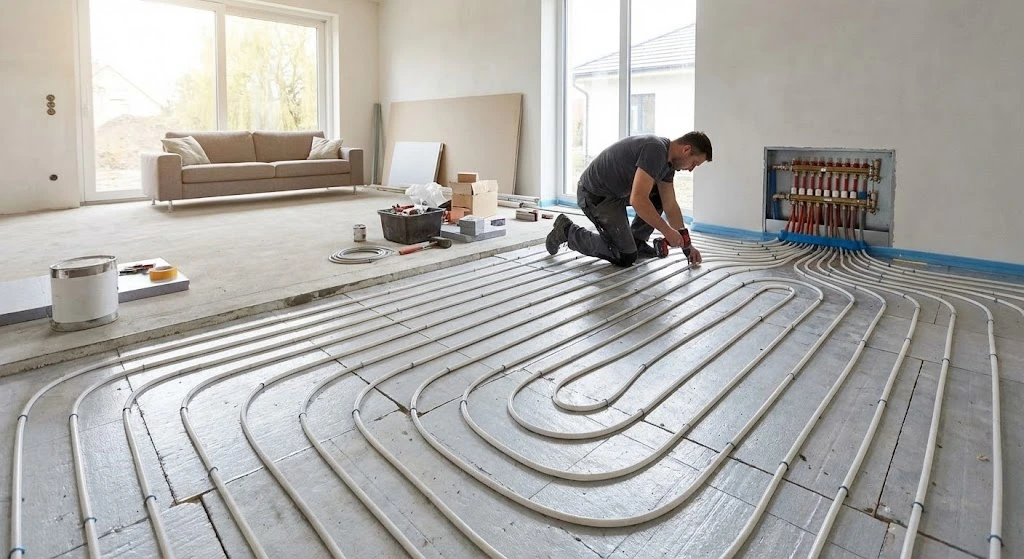
- Consider Underfloor Heating: This brilliant system completely reduces heavy dust circulation when compared to standard wall radiators (which strictly rely on aggressive convection currents) and beautifully keeps the heat exactly where you actually need it.
6. Harness the Biological Power of Light
Natural light heavily dictates our crucial sleep-wake cycles (scientifically known as the circadian rhythm). A perpetually dark, gloomy home can effortlessly leave you feeling totally lethargic, while harsh, bright artificial lighting late at night can severely disrupt restorative REM sleep.
- Maximise Natural Light: Keep your main windows completely clear of heavy, oppressive clutter. Intelligently place large mirrors directly opposite windows to brilliantly bounce natural light much deeper into the dark room.
- Layer Soft Lighting: Absolutely don’t rely entirely on a single, harsh ‘big ceiling light’. Cleverly use warm floor and soft table lamps to successfully create relaxing pools of warm light strictly for evening relaxation.

7. Biophilic Design: Bringing the Outdoors In
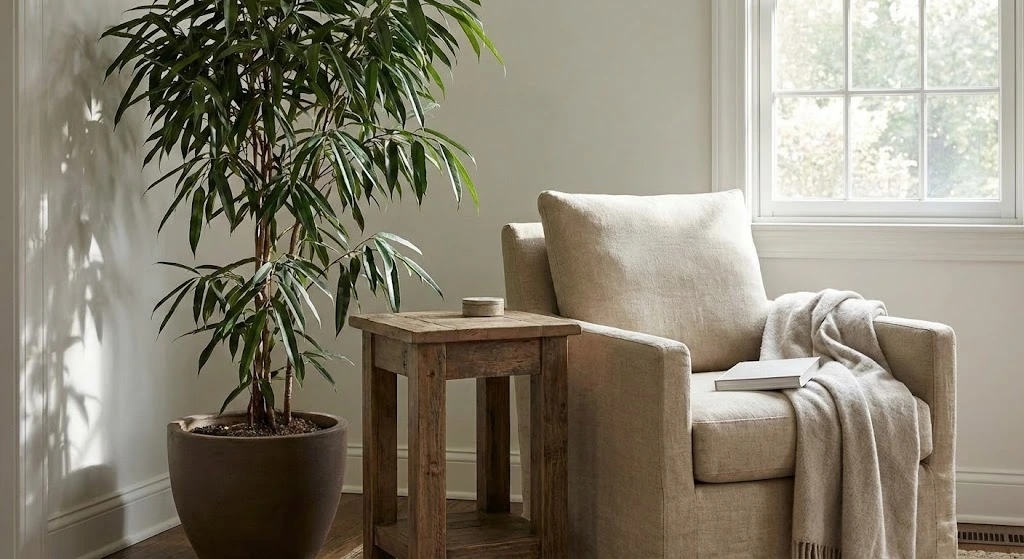
‘Biophilia’ is scientifically defined as our incredibly innate human tendency to subconsciously seek deep connections with the natural world. Ultimately, intentionally incorporating natural, organic elements directly into your home physically lowers high stress and vastly improves mental cognitive function.
When carefully exploring the massive biophilic design benefits, consider these incredibly simple architectural additions:
- Purifying Houseplants: Hardy plants exactly like dense Snake Plants or elegant Peace Lilies remarkably help safely filter highly toxic indoor air pollutants and VOCs.
- Natural Textures: Beautifully incorporate solid wood and rough stone elements to effortlessly create a highly grounding, incredibly calm atmosphere.
- Unobstructed Views of Nature: If you are incredibly lucky to have a stunning garden view, beautifully frame it with ultra-slim profile aluminium doors. Absolutely don’t block it with heavily oppressive, dark blinds.
8. Acoustic Comfort: Silence is Golden
Furthermore, constant background noise pollution is undeniably a highly significant, physical stressor that incredibly often goes completely unnoticed. A genuinely healthy home absolutely should be a blissfully quiet, restorative refuge.
- Absorbing Soft Furnishings: Bare, hard surfaces aggressively bounce loud sound. Thoughtfully add thick rugs and heavy curtains to actively absorb annoying internal acoustic echoes.
- Install Acoustic Glazing: Aside from massive heat retention, highly specialised acoustic glass brilliantly reduces heavy traffic noise by an incredible 40dB when directly compared to standard, single pane glass.
9. Frequently Asked Questions
The scientifically ideal indoor humidity level is safely between 40% and 60%. If it repeatedly drops below 40%, the stale air becomes far too dry, aggressively irritating sensitive human airways. Conversely, if it constantly stays above 60%, microscopic dust mites incredibly thrive and dangerous toxic black mould can rapidly begin to aggressively grow on the walls.
Yes, absolutely. By significantly reducing freezing cold spots and terrible downdraughts located near older windows, thick triple glazing reliably helps effortlessly maintain a highly consistent internal room temperature. Ultimately, this successfully reduces dangerous strain on the delicate cardiovascular system and vastly lowers the severe risk of heavy winter damp.
Incredibly short, sharp bursts are absolutely best. Briefly open the main windows totally wide for just 10-15 minutes (scientifically known as “shock ventilation”) rather than lazily leaving them slightly ajar all day long. This brilliantly exchanges the humid, stale air entirely for clean fresh air incredibly quickly, totally without rapidly cooling down the thermal masonry walls and soft furniture.
📚 Wellbeing Knowledge Hub
We strongly believe an educated homeowner naturally makes the absolute best structural decisions. Explore our highly educational, free guides below:

Mark Pearce is a highly experienced specialist in the double glazing industry, having built his knowledge from the ground up through hands-on experience in installation, manufacturing, sales, and business management. Beyond his role at KJM, Mark is a keen blogger, writer, and traveller, often sharing insights on the latest innovations in the home improvement industry.
- Comp Door Launches New 2026 Brochure Featuring ‘Total Black Out’ Frames - 11 September 2026
- Solidor launch five new doors - 21 August 2026
- KJM Group Wins Which? Trusted Trader of the Month (Aug 2026) - 4 August 2026