Timber - PVC - Aluminium - Windows, Doors & Conservatories in Hampshire
Triple Glazing: Why We Sometimes Talk Customers OUT of It
Triple Glazing: Why We Sometimes Talk Customers OUT of It
Thinking about upgrading to triple glazing? Wait. Here is the unvarnished truth regarding the hidden disadvantages, structural challenges, and the specific property types where installing it is an absolute waste of money.
What are the main disadvantages of triple glazing? While it offers superior thermal insulation, the primary drawbacks include a significantly higher initial manufacturing cost, excessive structural weight that can rapidly strain standard window hinges, and surprisingly poor acoustic performance against heavy traffic unless specialised laminated glass is used. For most UK homes, adopting a “Fabric First” approach—prioritising loft and wall insulation—is strictly essential before investing in triple glazing to ensure you actually achieve a genuine return on investment.
🏚️ The Insulation Trap
If your Hampshire home has older, uninsulated cavity walls, triple glazing will not stop heat escaping. You must fix the “Fabric” of the building first.
🔊 The Acoustic Myth
Adding a standard third pane of glass can actually trap specific sound frequencies. For true soundproofing, you must pivot to acoustic double glazing instead.
⚖️ The Weight Issue
Triple units are 50% heavier. If your installer utilises cheap frames and standard hinges, your new windows will rapidly sag, drag, and fail to lock under the immense load.
Page Contents
At KJM Group, we have been successfully installing high-performance windows across Andover and Hampshire since 1983. Because we operate under a strict No Pressure Promise, we refuse to upsell products that will not genuinely benefit your property. While triple glazing is a magnificent feat of modern engineering, it is absolutely not the correct choice for every home.
1. The “Fabric First” Reality Check
The single most common reason we advise customers to explicitly avoid triple glazing is due to fundamental property physics. Heat simply takes the path of least resistance. This is what architectural experts refer to as the “Fabric First” approach.
If you invest heavily in achieving a phenomenal 0.8 W/m²K U-value on your windows, but your uninsulated cavity walls are actively haemorrhaging heat at 1.5 W/m²K, the expensive glass simply cannot do its job. According to the Energy Saving Trust ↗, the heat will effortlessly bypass your premium windows and escape straight through your brickwork and roof.
2. Interactive Tool: Is Triple Glazing a Mistake for You?
Unsure if triple glazing is a financial mistake for your specific property? Use our logic engine below to instantly check if you should pivot to a different architectural solution.
3. The Acoustic Myth: Why It Fails with Traffic
A massive industry misconception is that simply adding a third pane of glass will automatically silence a busy road. Architecturally and acoustically, this is entirely incorrect.
The Resonance Trap
Standard triple glazing utilises three panes of the exact same thickness. Certain low-frequency sound waves (like bus engines) can actually vibrate through these identical panes, creating a “resonance trap” that amplifies specific hums inside the home.
The True Solution
To successfully shatter incoming sound waves, you absolutely must use asymmetric glass (panes of different thicknesses) combined with an acoustic PVB interlayer. A product like Stadip Silence or Pilkington Optiphon™ double glazing will fiercely outperform standard triple glazing for noise reduction.
📊 The Hard Data: Pilkington Acoustic Testing
We rely on empirical laboratory test reports from industry leaders like Pilkington to guide our customers. When comparing standard triple glazing against dedicated acoustic double glazing, the laboratory results completely destroy the “more panes equals less noise” myth.
| Glass Specification | Acoustic Rating (Rw) | Traffic Noise Reduction |
|---|---|---|
| Standard Double Glazing (4mm / 16mm / 4mm) |
~31 dB | Baseline |
| Standard Triple Glazing (4mm / 16mm / 4mm / 16mm / 4mm) |
~32 dB | Barely noticeable improvement |
| Acoustic Double Glazing (6.8mm Optiphon™ / 16mm / 4mm) |
38+ dB | Significant reduction (Halves perceived noise) |
Data derived from Pilkington’s official single-chamber (double) ↗ and double-chamber (triple) ↗ acoustic test certificates.
4. The Structural Weight Problem
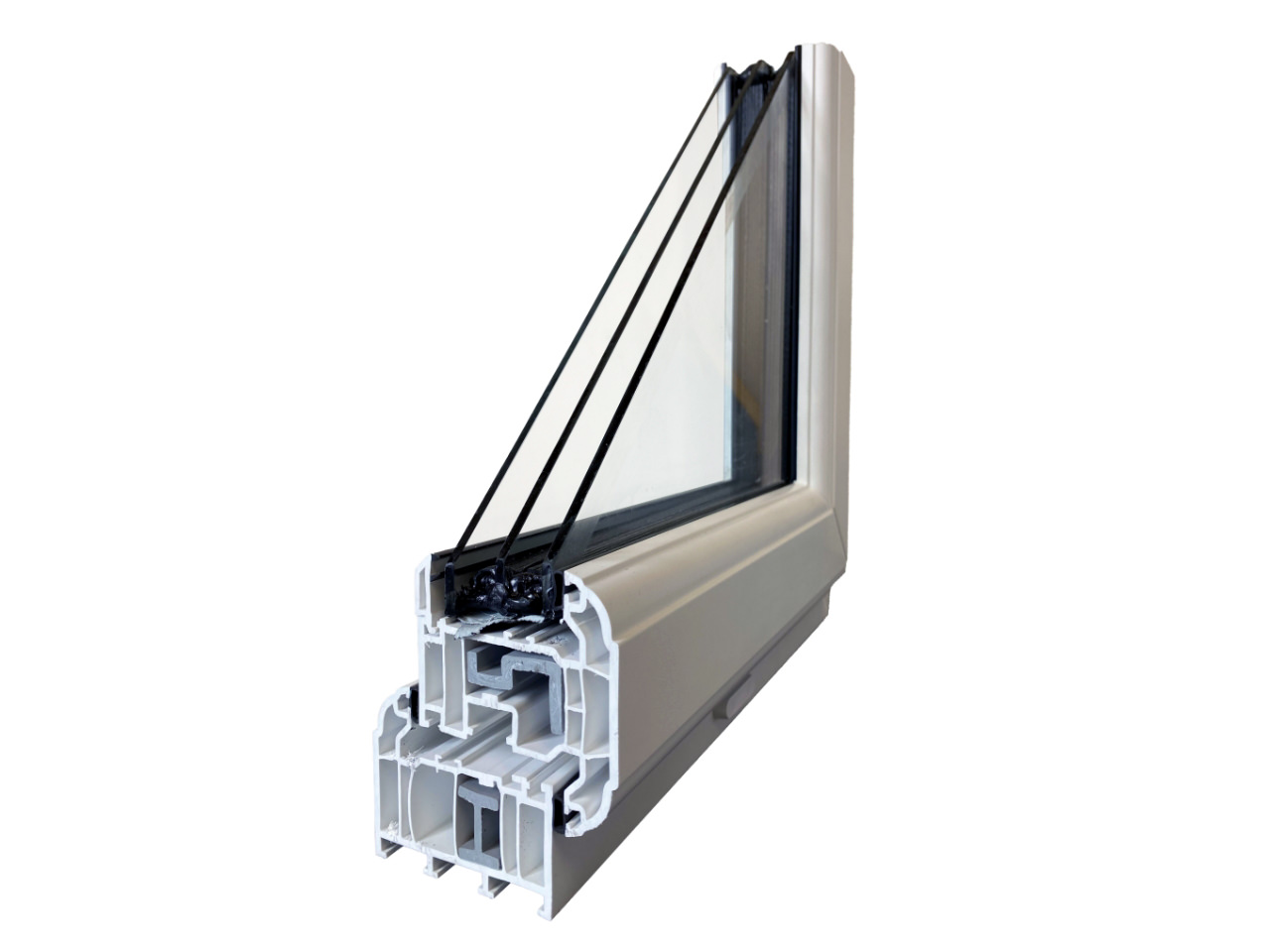
Glass is incredibly heavy. By adding a third pane, the physical window sash becomes precisely 50% heavier than a standard double-glazed equivalent. This creates severe mechanical challenges for cheaper installations.
- Hardware Failure: If a company installs heavy triple glazing on standard friction hinges, the window will inevitably drop within a few years, causing it to aggressively catch on the frame and fail to lock.
- Frame Warping: Standard window profiles simply cannot hold the weight over decades. We exclusively utilise heavy-duty, reinforced multi-chambered frames specifically engineered to manage the immense load without bowing.
5. Double vs Triple: The Performance Gap
If the disadvantages above resonate with your specific property, do not despair. Modern A-rated double glazing remains a highly sophisticated, magnificent product for UK homes.
| Feature | Premium Double Glazing | Triple Glazing |
|---|---|---|
| Typical U-Value | 1.2 – 1.4 W/m²K | 0.8 – 1.0 W/m²K |
| Weight per m² | ~20kg | ~30kg (50% Increase) |
| Financial Payback Period | 10-15 Years | 25-30 Years |
| Hardware Stress Level | Low (Smooth daily operation) | Very High (Requires HD Hinges) |
6. Frequently Asked Questions
It absolutely cures internal condensation (because the inner pane remains wonderfully warm). However, you may occasionally see condensation on the outside of the glass on cold mornings. This is a brilliant sign! It physically proves the unit is so remarkably efficient that zero heat is escaping your home to warm up the external pane.
Almost never. Triple glazed units are significantly thicker (often 36mm or 44mm) compared to older 28mm double glazed units. Furthermore, your existing hardware and hinges were never engineered to safely support the massive 50% increase in glass weight without sagging.
Yes. If you are building a highly glazed new extension or a modern eco-home, the sheer volume of glass requires triple glazing to successfully pass the exceptionally strict thermal limits dictated by current UK Building Regulations (Part L).
📚 The Triple Glazing Knowledge Hub
Ensure you make a #1 choice by exploring our other expert, transparent guides:
Need Honest, No-Nonsense Advice?
If you want a glazing company that prioritises structural integrity and architectural truth over a quick sale, we can expertly help. KJM Group securely manages fully transparent window installations entirely across Hampshire.
Contact KJM for a Free Consultation
Mark Pearce is a highly experienced specialist in the double glazing industry, having built his knowledge from the ground up through hands-on experience in installation, manufacturing, sales, and business management. Beyond his role at KJM, Mark is a keen blogger, writer, and traveller, often sharing insights on the latest innovations in the home improvement industry.
- Pilkington Launches Optitherm S3 Plus Triple Glazing Glass - 16 October 2026
- Comp Door Launches New 2026 Brochure Featuring ‘Total Black Out’ Frames - 11 September 2026
- Solidor launch five new doors - 21 August 2026