Timber - PVC - Aluminium - Windows, Doors & Conservatories in Hampshire
What Is a Conservatory? Complete UK Homeowner Guide
What Is a Conservatory? Complete UK Homeowner Guide
Are you considering adding valuable space to your home but confused by the terminology? Discover exactly what legally defines a conservatory, the various styles available, and how modern materials have completely transformed this classic British extension.
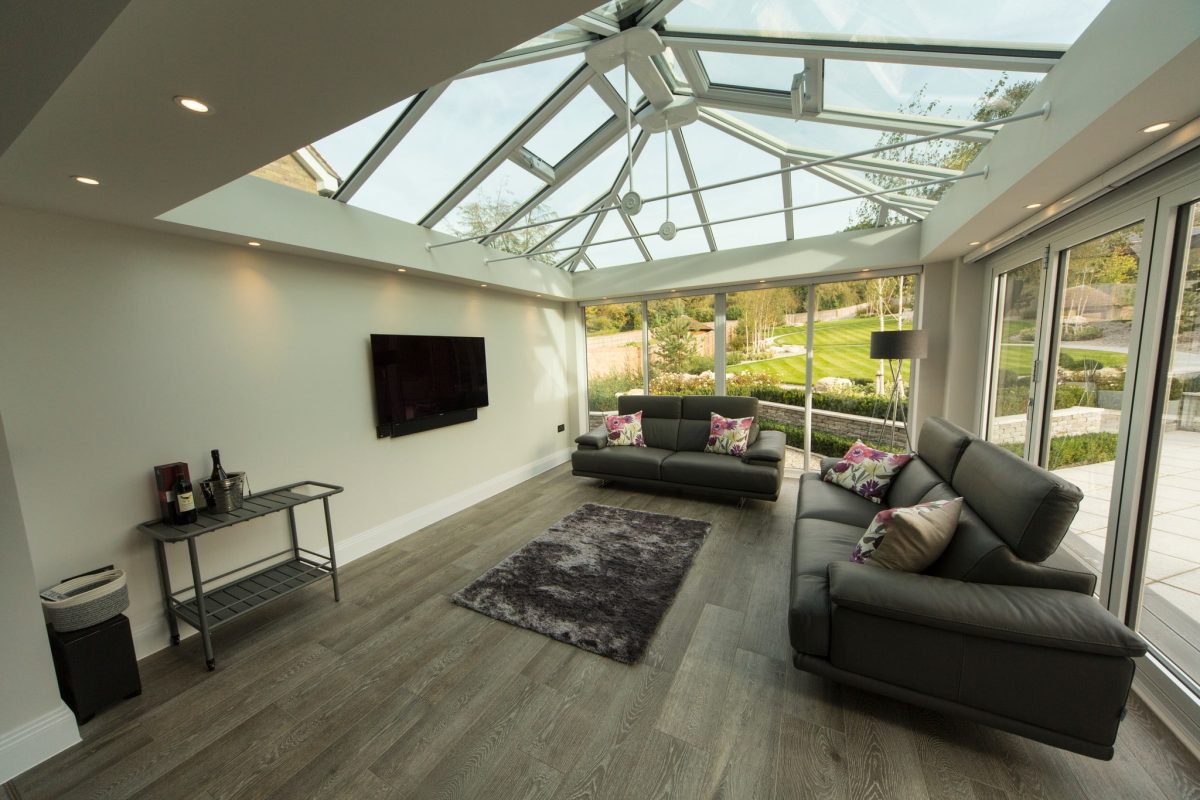
What exactly is a conservatory? In the UK, a conservatory is officially defined as a building attached to a house that features at least 50% glazed side walls and a 75% glazed roof. Historically, this traditional all-glass design created a “greenhouse effect,” making the room too hot in summer and freezing in winter. However, the modern conservatory has significantly evolved. Today, homeowners can utilise high-performance uPVC or aluminium frames alongside solid tiled roofs and solar-control glass to successfully create a highly insulated, comfortable living space that perfectly bridges the gap between the home and the garden.
📏 The Legal Definition
To be officially classed as a conservatory in the UK, the structure absolutely requires at least 50% glazed side walls and a 75% translucent glazed roof.
🧱 Material Selection
Homeowners must carefully choose between highly affordable uPVC, sleek modern aluminium, or classic hardwood frames based entirely on their budget and design preferences.
📜 Planning & Costs
While many conservatories cleverly fall under Permitted Development rights, you must still adhere to strict size limits. Furthermore, typical installation costs range from £10,000 to over £35,000.
Page Contents
By broad definition, a conservatory constitutes a distinct room physically attached to a house, intelligently designed to seamlessly bridge the gap between your home and the garden. However, how exactly has this classic structure successfully evolved from its ornate Victorian origins into the highly modern, energy-efficient room it can represent today?
This comprehensive guide expertly explores the different architectural styles, structural materials, and strict local planning rules you absolutely need to know before embarking on your upcoming home extension project.
1. Interactive Tool: The Conservatory Matcher
Unsure which specific architectural style will genuinely suit your property? Simply answer the two quick questions below, and our logic engine will instantly recommend the most appropriate structural design for your home.
2. What Defines a Conservatory in the UK?
A conservatory represents a highly distinctive architectural extension that expertly combines indoor comfort with outdoor aesthetics. While general dictionaries loosely define it as a simple glass room, the United Kingdom enforces a far more precise, technical definition for building control purposes.
By strict legal definition, a true conservatory absolutely must have “at least 50% of its side wall area glazed and at least 75% of its roof glazed with translucent materials.” Ultimately, this specific structural requirement definitively distinguishes conservatories from standard brick home extensions or heavily built orangeries.
The Evolution: From “Glass Box” to “Usable Room”
Historically, that traditional all-glass definition created the exact source of the most common homeowner complaint: the notorious “greenhouse effect.” Because of this frustrating phenomenon, the very idea of a “conservatory” has evolved significantly.
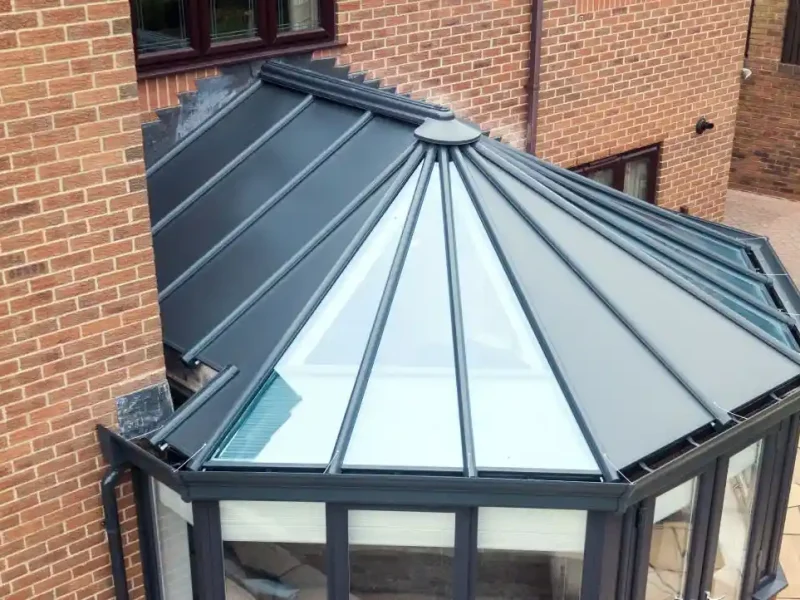
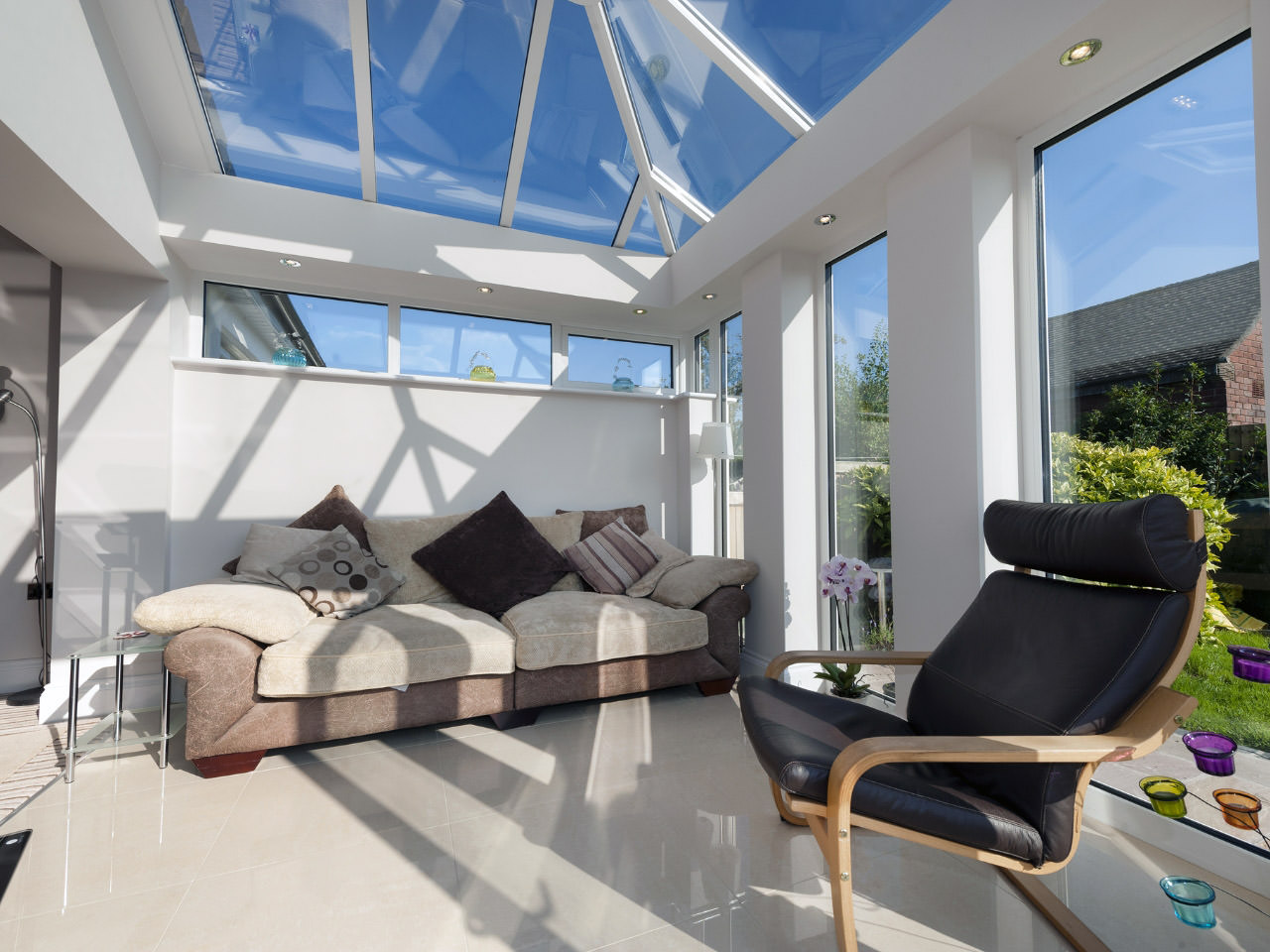
Today, a modern conservatory genuinely focuses on all-year usability rather than just providing a fragile glazed roof. Specifically, engineers achieve this comfort by utilising high-performance replacement solid tiled roofs, innovative hybrid roofs, or advanced solar-control glass, successfully turning an old, unusable space into a true, energy-efficient extension of your home.
3. Types of Conservatories Explained
Conservatories across the UK come in several highly distinctive architectural styles. Consequently, each specific design consistently offers unique characteristics and visual appeal.
The 5 Most Popular Styles
Victorian
Highly characterised by a steeply pitched roof, an ornate ridge detail, and a beautifully rounded, multi-faceted front section. It perfectly suits classic period properties.
Edwardian
Featuring a completely square or rectangular floor plan with clean, symmetrical lines. This brilliant design absolutely maximises your internal floor space for placing furniture.
Lean-To
A highly simple, modern design featuring a single-sloped roof. It works exceptionally well alongside modern properties or bungalows possessing strict height restrictions.
Gable-End
A dramatic, highly striking design featuring a tall, triangular front roof profile. Consequently, this creates incredible extra headroom and a brilliant sense of interior grandeur.
4. Comparing Materials: uPVC vs. Aluminium
When carefully planning a new conservatory, your specific choice of frame material plays an absolutely crucial role in determining its final appearance, structural durability, and overall thermal performance.
| Feature | Premium uPVC | Modern Aluminium |
|---|---|---|
| Cost Level | Most affordable. Highly budget-friendly option. | Premium priced. Requires a higher initial investment. |
| Maintenance | Minimal. Requires just a simple soapy wipe-down. | Minimal. Powder-coated finish resists all rusting. |
| Appearance | Classic profiles with wide colour and woodgrain options. | Sleek, ultra-modern aesthetic with incredibly slim frames. |
| Durability | Highly resistant to rot and warping. Lasts 20-30 years. | Exceptionally durable. Can easily last 40-50+ years. |
5. Planning Permission and UK Regulations
Navigating the complex legal landscape of conservatory construction can initially seem daunting. However, the excellent news is that most standard residential conservatories successfully benefit from Permitted Development (PD) rights.
To legally qualify as Permitted Development, your proposed structure must rigorously adhere to strict sizing limitations. Specifically, it cannot extend beyond a maximum depth of 3 metres for terraced houses (or 4 metres for detached properties), and it must never cover more than 50% of your original property’s garden area.
Furthermore, even if your build avoids formal planning permission, it must still rigorously adhere to strict Building Regulations concerning thermal insulation, structural integrity, and safety standards if you decide to remove the internal dividing doors.
6. Typical Costs and Ongoing Maintenance
Investing in a new conservatory involves carefully considering both the initial installation expenses and the long-term maintenance requirements. Ultimately, conservatory costs can vary incredibly significantly depending entirely on the overall size, specified materials, and any additional features you choose to incorporate (such as underfloor heating or bi-fold doors).
- Small uPVC conservatory: £10,000 – £15,000
- Medium-sized hybrid conservatory: £15,000 – £25,000
- Large or premium aluminium designs: £25,000 – £50,000+
Beyond immediate financial considerations, proactive maintenance can significantly extend the physical lifespan of your investment. While modern uPVC and aluminium require exceptionally low upkeep, ensuring your gutters remain completely clear of debris and routinely lubricating your door hinges prevents costly future repairs.
7. Frequently Asked Questions
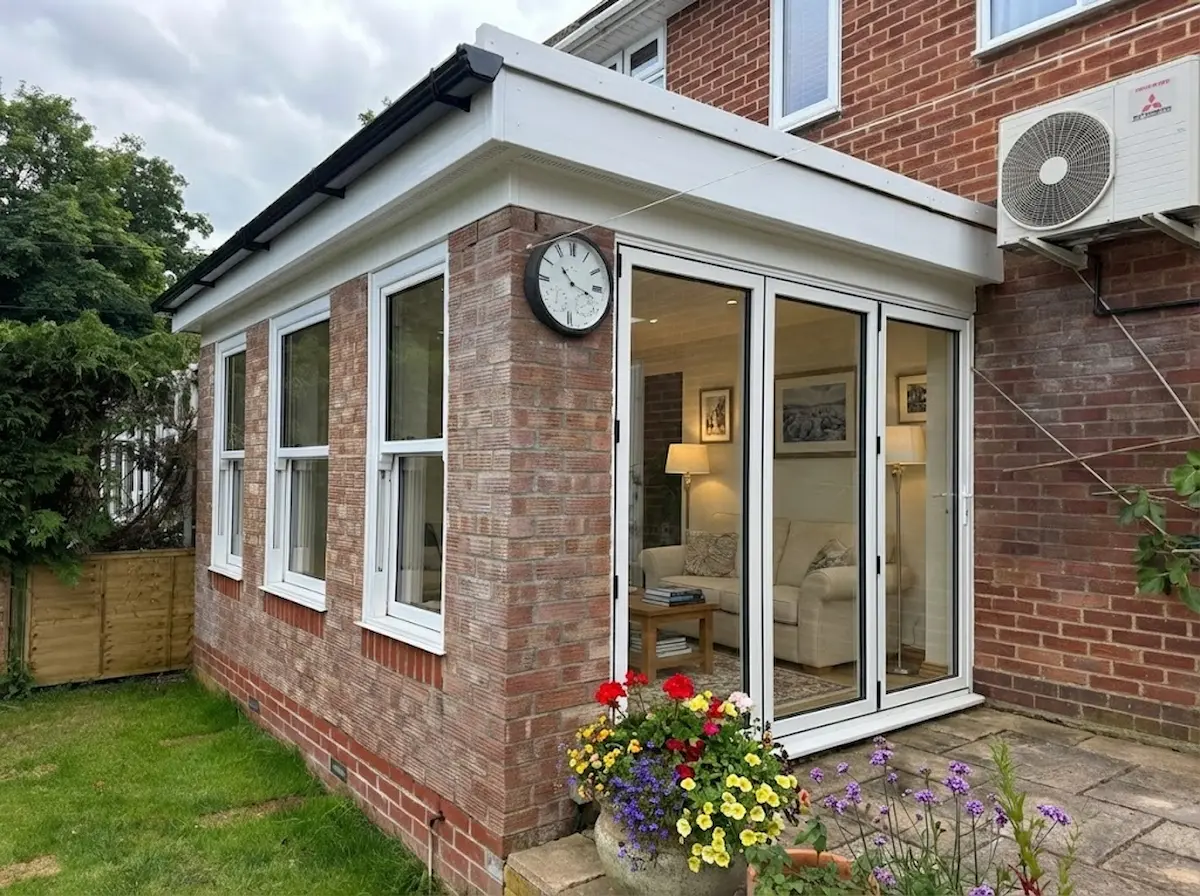
The primary difference fundamentally involves the roof and wall construction. A true conservatory is mostly glass, featuring a roof that remains at least 75% glazed. Conversely, an orangery physically feels much more like a solid home extension. It expertly utilises solid brick pillars, a solid flat roof perimeter, and a beautiful central glass lantern instead of a fully pitched glazed roof.
Often, no. Conservatories are typically considered ‘permitted development’. However, you must still strictly follow several rules. For instance, it cannot legally cover more than 50% of your original garden area, and it absolutely cannot be built higher than the highest point of your home’s main roof. Always explicitly check with your local planning authority.
The most effective, permanent solution involves replacing the highly inefficient old polycarbonate or glass roof. By professionally upgrading to a modern, lightweight solid tiled roof or installing highly advanced solar-control glass, you can successfully block harsh UV rays and actively retain comfortable temperatures all year round.
📚 Explore Our Conservatory Knowledge Hub
Now you firmly understand the basics, dive significantly deeper into the specific upgrade options highly relevant to your home:
Ready to Expand Your Home?
If you genuinely want to securely add valuable, comfortable living space to your property, we can expertly help. KJM Group successfully manages fully compliant, bespoke conservatory installations across Hampshire.
Contact KJM for a Free Consultation
Mark Pearce is a highly experienced specialist in the double glazing industry, having built his knowledge from the ground up through hands-on experience in installation, manufacturing, sales, and business management. Beyond his role at KJM, Mark is a keen blogger, writer, and traveller, often sharing insights on the latest innovations in the home improvement industry.
- Pilkington Launches Optitherm S3 Plus Triple Glazing Glass - 16 October 2026
- Comp Door Launches New 2026 Brochure Featuring ‘Total Black Out’ Frames - 11 September 2026
- Solidor launch five new doors - 21 August 2026