Timber - PVC - Aluminium - Windows, Doors & Conservatories in Hampshire
Can You Paint a uPVC Door? | The 2026 UK DIY Guide
Can You Paint a uPVC Door? | The 2026 UK DIY Guide
Everything you need to know about upcycling your entrance, the careful prep required, and why a fresh coat of paint might only be a short-term solution.
Yes, you can paint a uPVC door, and it serves as a budget-friendly way to temporarily update your home’s kerb appeal. However, because uPVC is a smooth, non-porous plastic, ordinary paints will struggle to adhere. You must thoroughly clean the door, lightly sand it to create a physical “key,” and use a specialised uPVC primer and topcoat. While professional on-site spraying is a popular option (costing £250 upwards), painting an older door will not improve its poor thermal efficiency or outdated security locks, which is why a complete replacement is often a smarter long-term investment.
We see it across Hampshire and Berkshire quite regularly: a beautifully maintained property let down by a tired, yellowing, or fundamentally dated white uPVC front door. When kerb appeal begins to fade, the immediate temptation for many homeowners is to grab a paintbrush and attempt a weekend DIY transformation.
But the question isn’t just can you paint uPVC doors—it’s whether you actually should. Plastic can be a challenging material to paint. In this comprehensive guide, we will walk you through the careful preparation required to achieve a decent finish, review the cost of professional on-site spraying, and explain why the glazing industry often advises replacing rather than repainting.
Page Contents
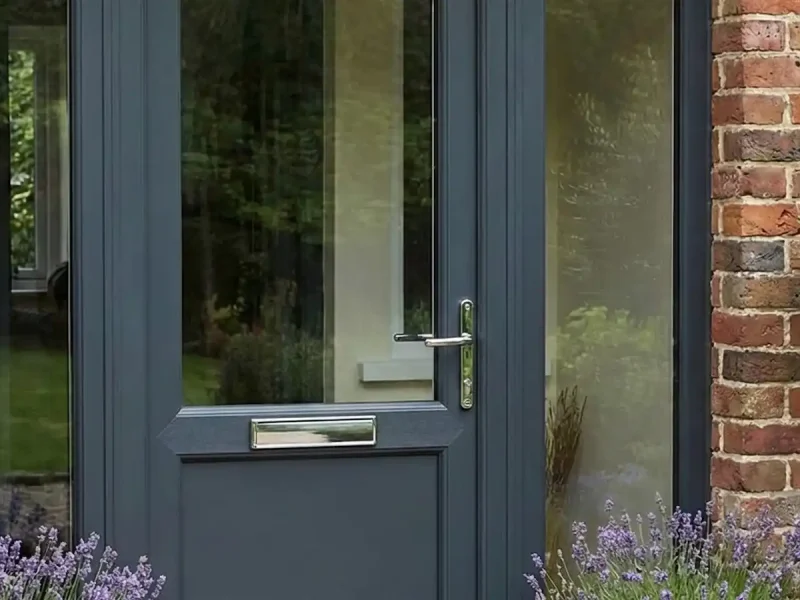
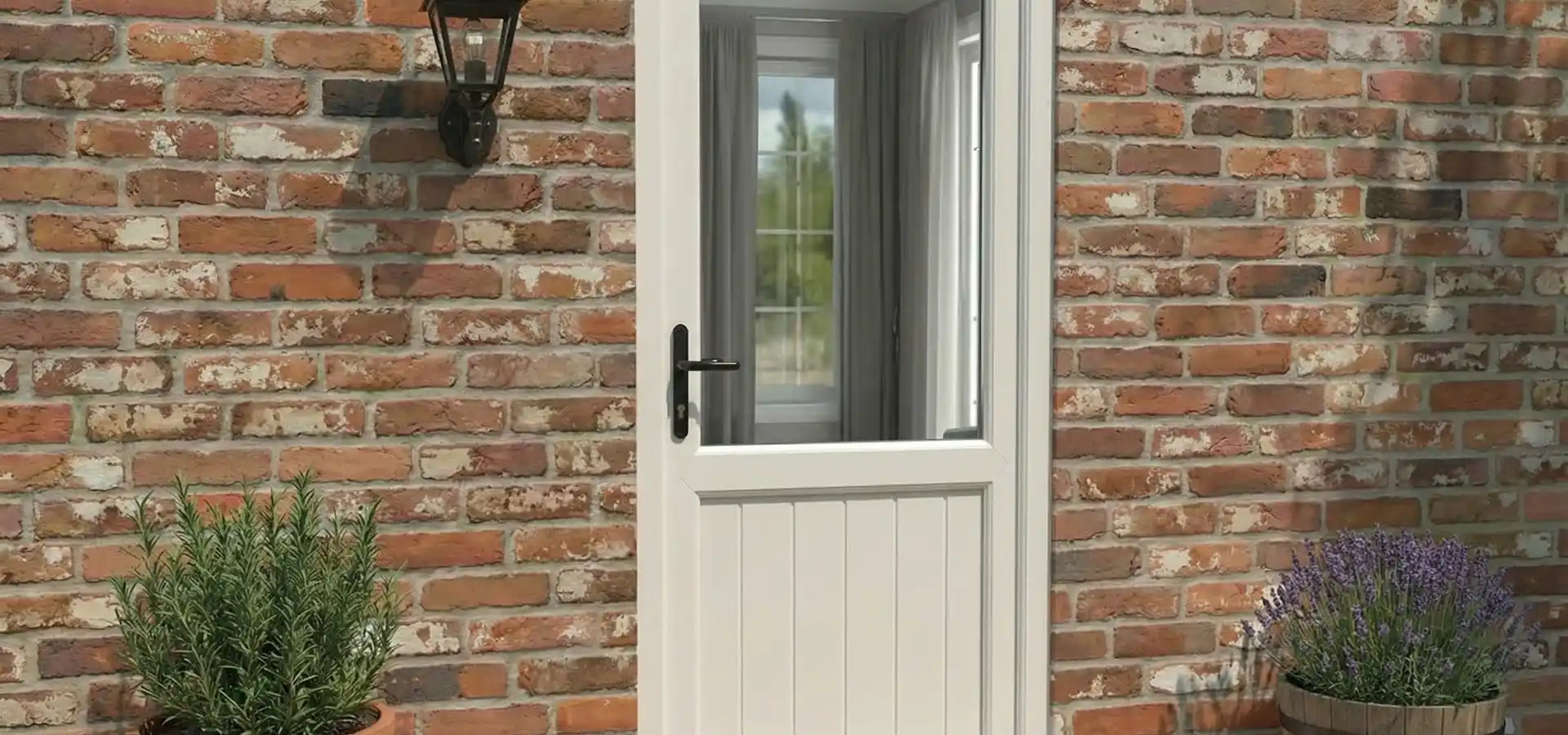
1. The Visual Transformation
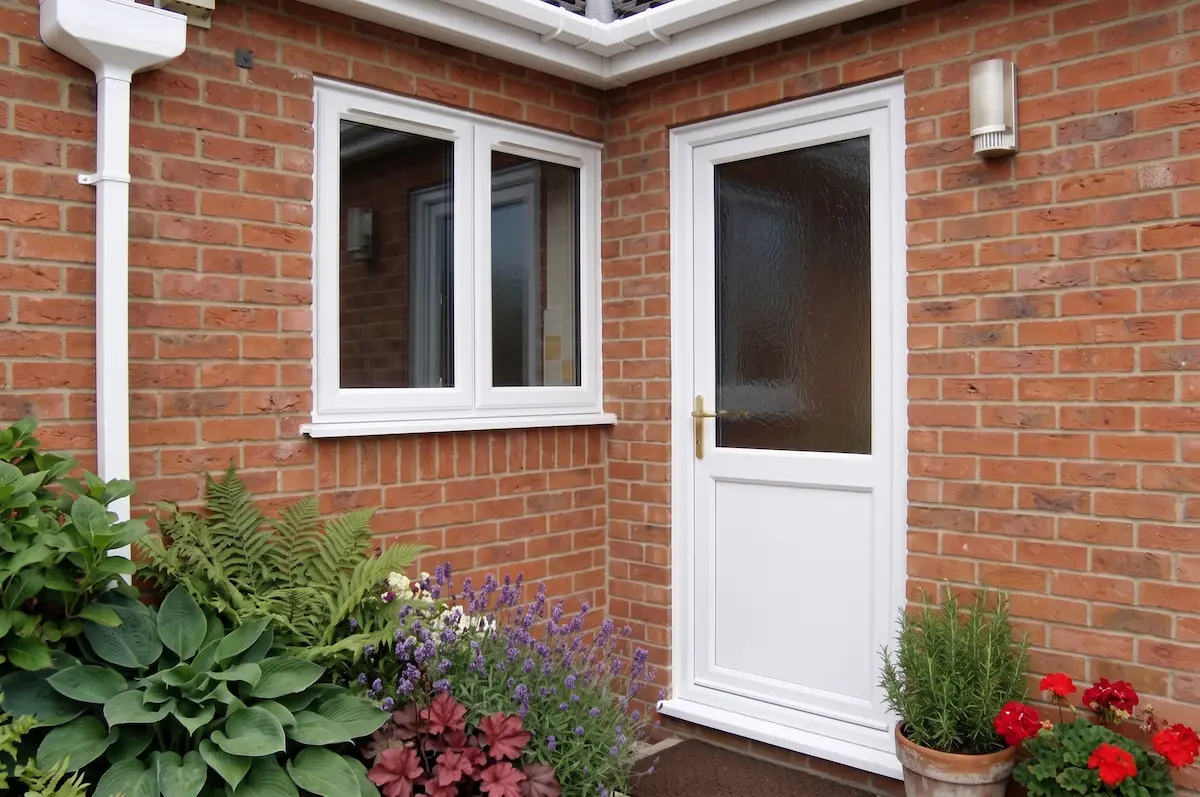
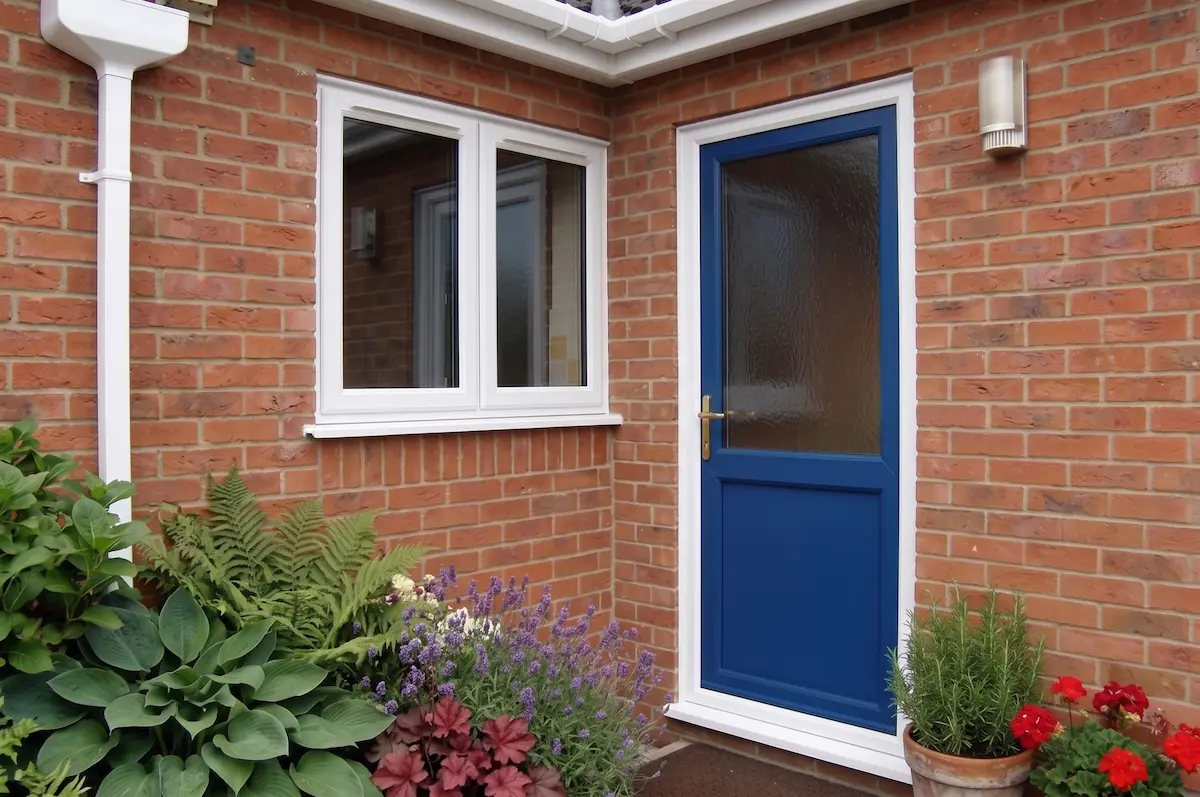
2. Why is uPVC Different to Paint?
Standard household gloss or emulsion paints are designed to soak into porous materials like wood or plaster. uPVC (Unplasticised Polyvinyl Chloride) is entirely non-porous. It is manufactured to repel water and dirt, which means standard paint has a hard time sticking to it.
Additionally, uPVC has a high rate of thermal expansion. When the sun warms a south-facing door, the plastic expands. When the temperature drops at night, it contracts. If you apply a standard, rigid paint to this shifting surface, it is highly likely to crack, flake, and peel over time. This makes specialised, flexible exterior paints an absolute necessity.
3. Step-by-Step DIY Painting Guide
If you are keen to tackle the project yourself, patience and preparation are the keys to success. A good paint job is mostly about the prep work.
- Step 1: Check the Weather: Specialist uPVC paints are sensitive to moisture and temperature while curing. Choose a dry day where the temperature will remain consistently above 10°C, and avoid painting in direct, hot sunlight.
- Step 2: Strip and Mask: Remove the hardware if possible (letterbox, knocker, numbers, and handles). For parts you cannot remove, like hinges or rubber weather seals, use a high-quality decorator’s tape (such as FrogTape) to mask them off cleanly.
- Step 3: A Thorough Clean: Over the years, your front door accumulates a fine layer of dirt and oily residue. Scrub the entire door carefully using a good degreaser or sugar soap and a scouring pad. Rinse it thoroughly with clean water and let it dry completely.
- Step 4: Create a ‘Key’: Because the plastic is smooth, you need to gently scratch the surface to give the paint something to adhere to. Lightly rub down the door and frame with fine-grit sandpaper (around 120-grit). Avoid pressing too hard. Wipe away the plastic dust with a damp, lint-free cloth.
- Step 5: Prime the Surface: Unless you are using a premium “self-priming” uPVC paint, apply a difficult-surface primer to ensure the topcoat holds properly.
- Step 6: Paint and Cure: For the best finish, use a quality synthetic bristle brush for the corners and mouldings, and a mini high-density foam roller for the large flat panels. Apply thin, even coats. The first coat may look a bit streaky—this is normal. Wait the manufacturer’s recommended time (usually 2 to 4 hours) before applying the second coat. Be very gentle with the door for the first 48 hours, as the paint can take a couple of weeks to fully harden.
4. Recommended Products & Professional Spraying
When selecting your paint, it pays to stick to trusted brands. Dulux recommends using their Weathershield Multi-Surface range (often paired with a difficult surface primer for glossy finishes) to ensure long-lasting weather protection. Another decorator favourite is Zinsser Allcoat Exterior, which is self-priming and highly flexible.
💡 The Professional Spraying Option
Achieving a completely smooth finish with a brush and roller can be tricky. Because of this, professional “on-site uPVC spraying” has become popular. Expect to pay £250 upwards for a reputable company to mask off your porch and spray your door and frame. It yields a much smoother finish than DIY, though it still carries some long-term maintenance considerations.
5. The Reality Check: Why Replacing is Often Better
As experts in the glazing industry, we like to give homeowners the full picture: painting an old uPVC door is often a short-term fix rather than a long-term solution. Here is why the industry frequently recommends replacement over upcycling:
- The Security Flaw: If your uPVC door is old enough to have yellowed, it likely features outdated locks. A £250 spray job might make the door look modern, but it won’t upgrade your home to modern PAS 24 security standards or protect against cylinder snapping.
- Energy Efficiency and Draughts: Older uPVC doors often have compressed, failing rubber seals and outdated internal panelling. Painting the plastic will not resolve hallway draughts or help lower your winter heating bills.
- Voided Warranties: If your door is relatively new, be aware that painting the uPVC will almost certainly void the manufacturer’s warranty regarding surface finish and structural integrity.
- The False Economy: Spending £250+ on professional spraying—or spending £80 on paints and a weekend on DIY—is an investment in a product that may already be nearing the end of its practical lifespan.
⚠️ The Smarter Long-Term Investment
Rather than maintaining a painted plastic surface over the years, putting that budget towards a modern Composite Door is widely regarded as the better choice. A new installation provides decades of low-maintenance kerb appeal, excellent thermal insulation, and the peace of mind that comes with brand-new, high-security locking mechanisms.
6. Frequently Asked Questions
No, it is advised not to paint uPVC that is under 12 months old. The material can continue to secrete manufacturing resins (plasticisers) for up to a year, which may prevent the paint from binding to the surface effectively.
Yes. Modifying the surface of a uPVC door with paint or varnish usually voids the manufacturer’s warranty. Always check with your original supplier before beginning the project.
It depends on the paint you purchase. Some modern paints are self-priming, whereas traditional exterior systems require a specialist difficult surface primer first. Always lightly sand the door beforehand to give the primer a key to stick to.
For a standard front door and its immediate frame, professional on-site spraying typically costs £250 upwards. Prices will increase if the door requires repair work, or if you have multiple large sidelights that also require spraying.
📚 Explore Superior Door Alternatives
If you have decided that replacing is a better investment for your home than repainting, explore our pricing and style guides below:
Looking for a secure, low-maintenance entrance?
If your old door is draughty, unsecure, or badly discoloured, skip the paintbrush. Contact the Window and Door Experts at KJM Group today for a free, transparent quote on a high-performance replacement.
📍 Proudly Serving: Hampshire, Berkshire & Wiltshire (including Andover, Winchester, Basingstoke, Salisbury & Newbury) Request Your Free Quote
Mark Pearce is a highly experienced specialist in the double glazing industry, having built his knowledge from the ground up through hands-on experience in installation, manufacturing, sales, and business management. Beyond his role at KJM, Mark is a keen blogger, writer, and traveller, often sharing insights on the latest innovations in the home improvement industry.
- Comp Door Launches New 2026 Brochure Featuring ‘Total Black Out’ Frames - 11 September 2026
- Solidor launch five new doors - 21 August 2026
- KJM Group Wins Which? Trusted Trader of the Month (Aug 2026) - 4 August 2026