Timber - PVC - Aluminium - Windows, Doors & Conservatories in Hampshire
Astragal Bars vs Georgian Bars: What’s the Difference?
Astragal Bars vs Georgian Bars: What’s the Difference?
Astragal bars and Georgian bars both add a traditional grid pattern to modern double-glazed windows, but they create a very different appearance and maintenance experience. Georgian bars are positioned entirely between the glass panes, offering easier cleaning and a lower cost. Astragal bars are raised bars fitted physically to the outer and inner glass surfaces, providing a much more authentic period appearance.
What Are Georgian Bars?
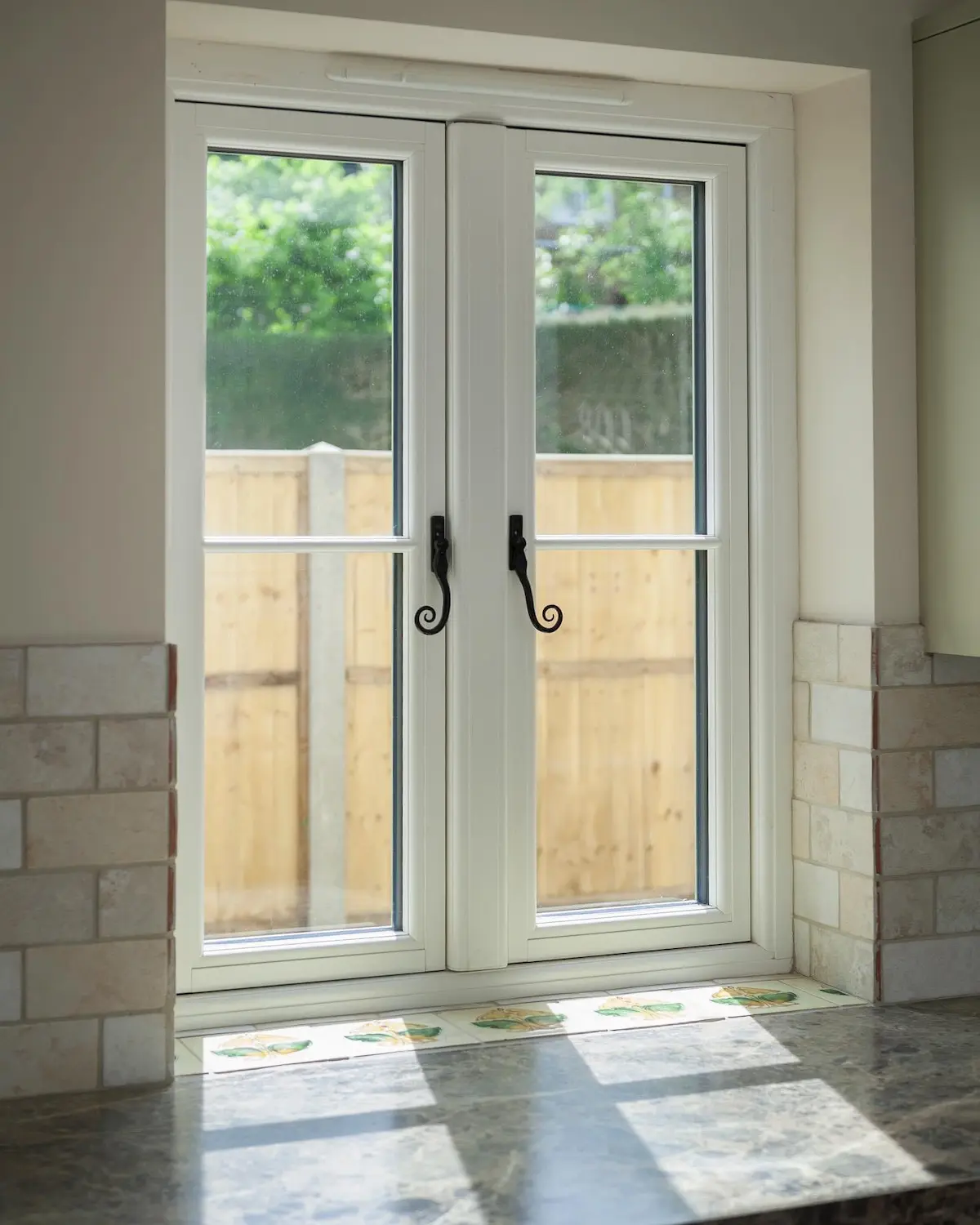
Georgian bars are the more modern, cost-effective method of creating a traditional grid pattern on a window. Instead of being stuck to the outside of the glass, the decorative bars are inserted directly between the two panes of glass inside the double-glazed sealed unit.
Because the bars are positioned internally, the interior and exterior surfaces of your window remain completely flat and smooth. This makes them incredibly practical for busy households.
What Are Astragal Bars?
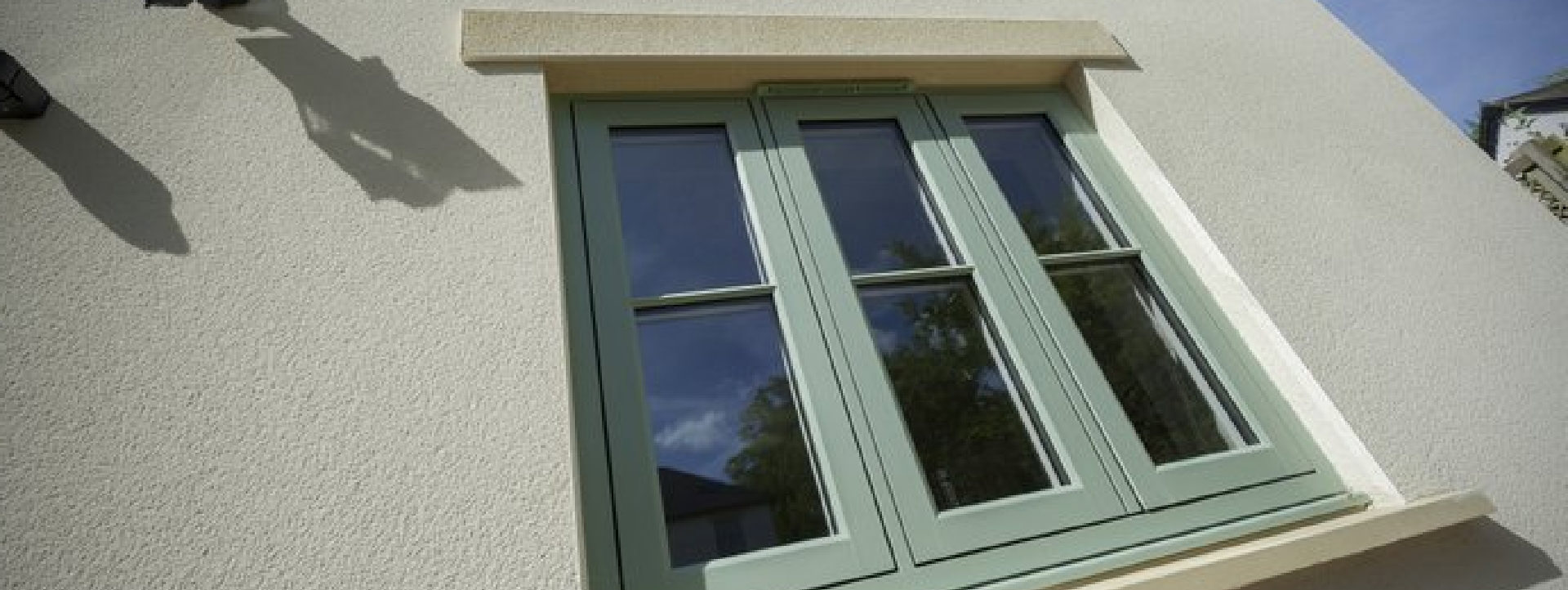
Astragal bars are designed to replicate the authentic look of traditional timber windows. Hundreds of years ago, large panes of glass were too expensive or impossible to make, so craftsmen joined multiple small panes of glass together using wooden glazing bars.
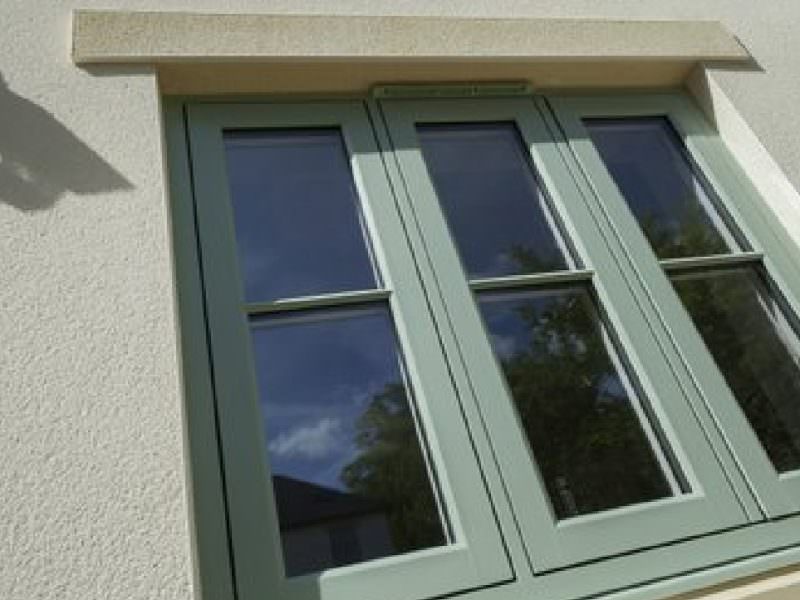
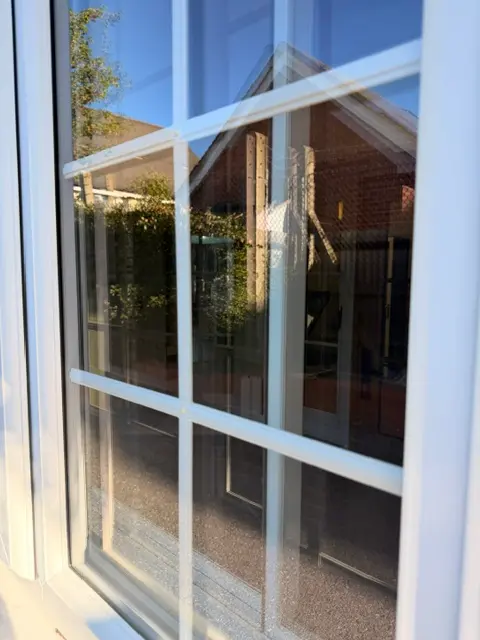
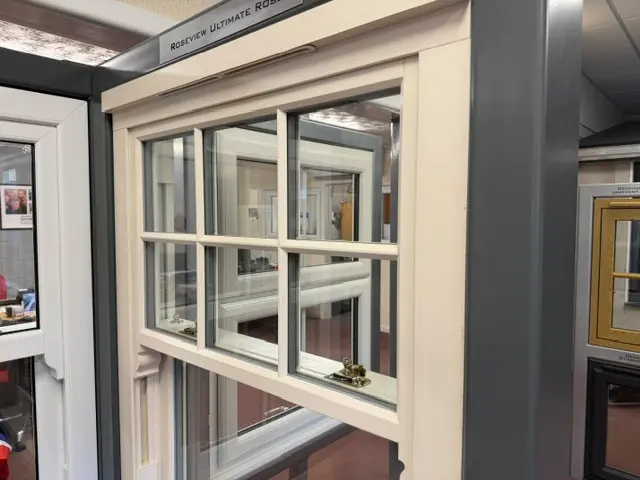
Modern Astragal bars recreate this heritage look on a single double-glazed unit. The bars are physically bonded to the exterior and interior faces of the glass. Crucially, a “dummy” spacer bar is placed inside the sealed unit directly between the outer bars. When you look through the window, it genuinely looks like multiple individual panes of glass joined together.
Comparison Breakdown: Georgian vs Astragal
| Feature | Georgian Bars | Astragal Bars |
|---|---|---|
| Appearance | Flat / internal. | Raised / external. |
| Authentic Period Appearance | Good. | Excellent. |
| Cleaning | Easier (flat glass surface). | More involved (requires wiping around raised bars). |
| Cost | Generally lower. | Generally higher. |
| Dust / Dirt Collection | Minimal. | Can collect around the physical bars. |
| Traditional Properties | Suitable. | Particularly suitable. |
| Conservation Areas | Depends on property/planning requirements. | Often preferred aesthetically. |
| Can be used with Double Glazing? | Yes. | Yes. |
| Can be used with Triple Glazing? | Yes, depending on the system. | Yes, depending on the system. |
| Best For | Practical traditional styling. | Maximum period authenticity. |
Cost Comparison: Are Astragal Bars More Expensive?
Generally speaking, yes. Astragal bars cost more than Georgian bars because they are physically more complex to manufacture. They require additional materials (the external bars, the internal bars, and the dummy spacer grids), advanced structural adhesives, and precise manual fitting.
However, the difference in price can vary considerably depending on the specific window system you choose, the number and configuration of the bars, the glazing specification, and the frame material.
Which Bars Are Best for Period Properties?
When upgrading a period property—whether it’s a Victorian terrace, an Edwardian semi, or a country cottage—maintaining the architectural integrity of the home is vital.
While Georgian bars offer a nod to traditional design, Astragal bars are often preferred for heritage applications because they provide a more authentic traditional appearance. By perfectly recreating traditional Georgian-window jointing, they can be utilised beautifully on flush casement windows and classic sliding sash windows to preserve the property’s character.
On period properties and homes in conservation areas, the choice of window design can be important because local planning or conservation requirements may strongly influence the appearance and materials permitted. Always check with your local authority where strict planning restrictions apply.
Our Recommendation: Which Should You Choose?
Choose Georgian bars if:
- Easy cleaning is important to you.
- You want traditional styling at a lower cost.
- You are fitting new windows to a relatively modern property.
Choose Astragal bars if:
- Absolute historical authenticity is your priority.
- You are replacing windows on a period property.
- You want the physical appearance of individually glazed traditional windows.
- You are trying to replicate existing timber windows perfectly.
Frequently Asked Questions
Astragal bars generally have little effect on the overall thermal performance of the sealed unit because the glass remains one continuous double- or triple-glazed unit. The exact U-value depends entirely on the glazing specification, frame, and spacer system you choose.
Yes. Because the raised bars physically sit on the outside and inside of the glass, they create additional edges and corners where dust and dirt can collect, requiring a bit more effort to wipe down compared with internally positioned Georgian bars.
They are often highly suitable because they provide a much more authentic traditional appearance. However, planning and conservation requirements vary significantly by local authority, so you must always check with your local conservation officer before proceeding.
Yes, both Georgian bars and Astragal bars can be specified on almost all window materials, including uPVC, aluminium, and timber frames. They are exceptionally popular on flush casement uPVC windows to create a traditional aesthetic without the timber maintenance.
High-quality Astragal bars (like those supplied and fitted by KJM Group) are bonded to the glass using highly advanced, weather-resistant structural adhesives. Provided they are cleaned normally without harsh abrasives, they are designed to last the lifetime of the window unit.
Yes, Astragal bars can absolutely be applied to triple glazing, provided they are supported by your chosen window and glazing system specification.
Not sure which would suit your property?
KJM Group can show you the different options at our Andover showroom and advise on the most appropriate window style, glazing, and decorative bar configuration for your specific home.
Get a Free, No-Pressure Quote
Mark Pearce is a highly experienced specialist in the double glazing industry, having built his knowledge from the ground up through hands-on experience in installation, manufacturing, sales, and business management. Beyond his role at KJM, Mark is a keen blogger, writer, and traveller, often sharing insights on the latest innovations in the home improvement industry.
- Pilkington Launches Optitherm S3 Plus Triple Glazing Glass - 16 October 2026
- Comp Door Launches New 2026 Brochure Featuring ‘Total Black Out’ Frames - 11 September 2026
- Solidor launch five new doors - 21 August 2026