Timber - PVC - Aluminium - Windows, Doors & Conservatories in Hampshire
Residence 7 vs Residence 9: The Complete Comparison Guide
Residence 7 vs Residence 9: The Complete Comparison Guide
A homeowner’s guide to the UK’s most premium timber-alternative windows. We brutally compare the dimensions, aesthetics, and cost of R7 vs R9.
What is the difference between Residence 7 and Residence 9? The primary difference lies entirely in the frame depth and the internal decorative profile.
- 🏛️ Residence 9 (R9): Replicates traditional 19th-century timber frames with a deep 100mm profile and highly decorative internal beading. Essential for strict conservation areas.
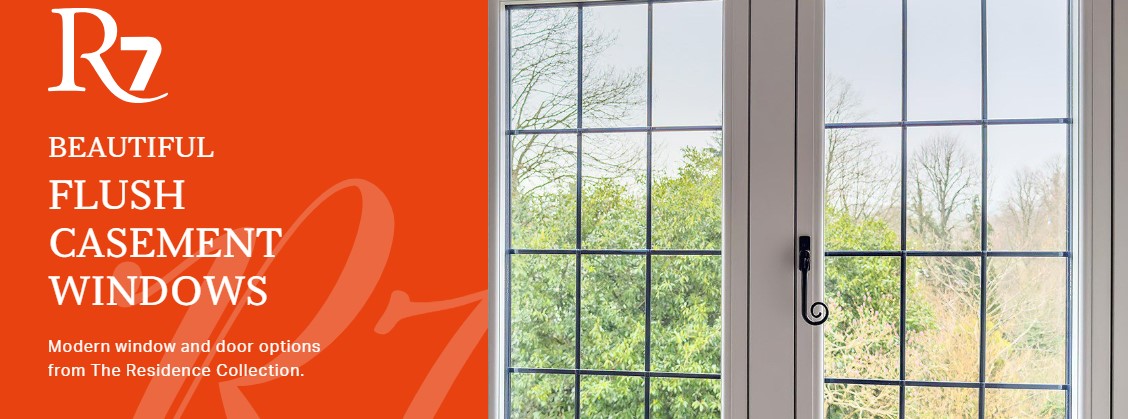
- 🏠 Residence 7 (R7): Offers a slimmer 75mm depth that easily fits into standard modern UK homes without cutting back plaster, featuring sleek, minimalist internal lines.
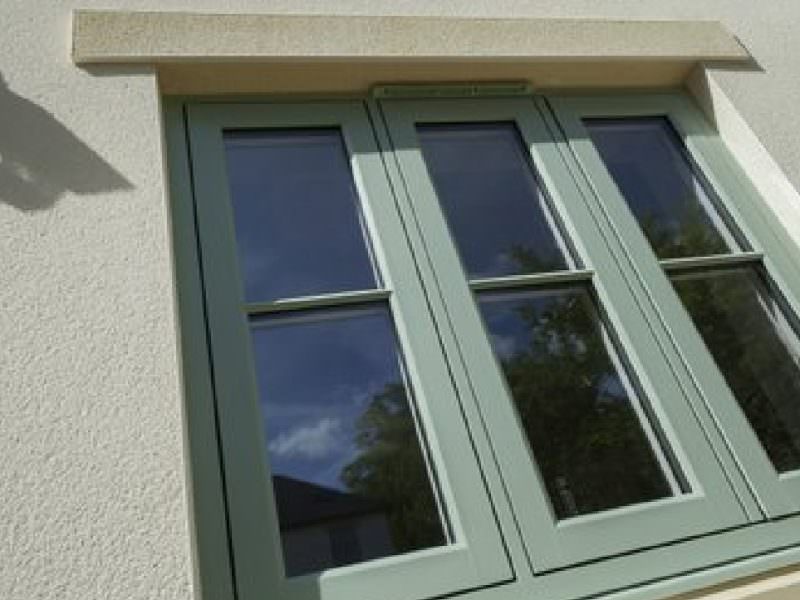
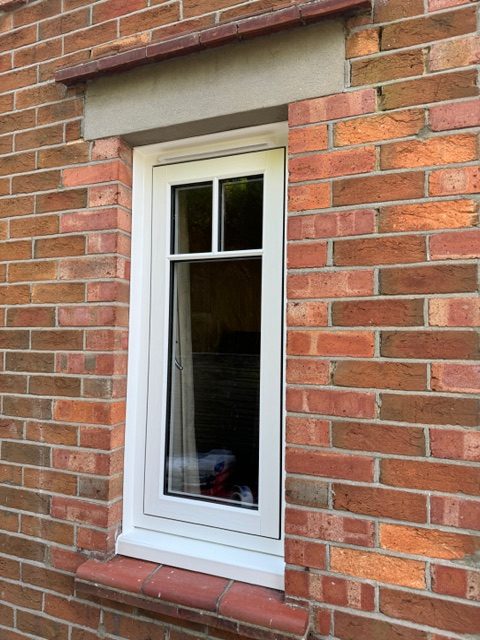
- 👀 The Secret: Both systems are virtually identical from the exterior street view, featuring the premium “flush sash” design heavily favoured across Hampshire.
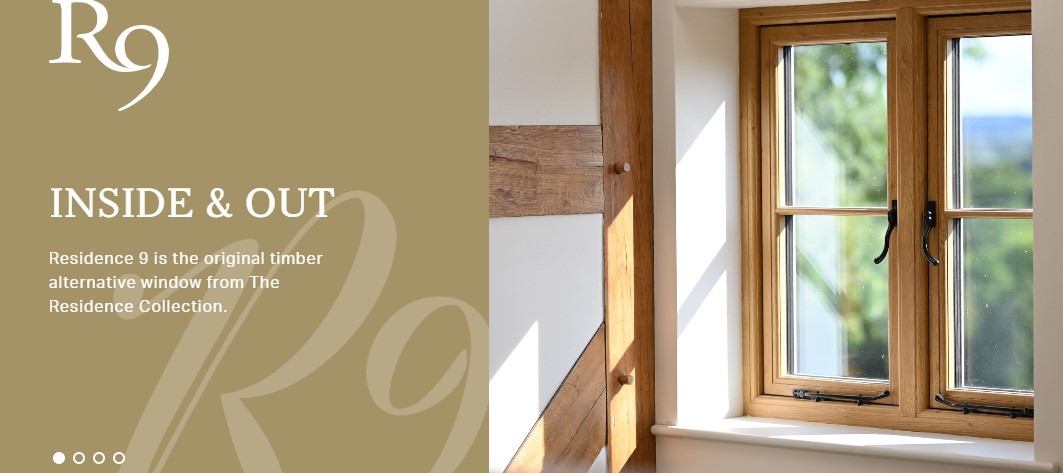
When choosing between the Residence 7 and Residence 9 window systems, the decision is rarely just about “looks”—it is fundamentally about architecture and planning law. While both systems offer market-leading energy efficiency and a beautifully engineered flush exterior, they were specifically designed to solve different structural problems.
R9 was originally built to satisfy strict planning officers in historic heritage zones like Winchester, Salisbury, and Andover. R7 was engineered to bring that exact same premium wood effect uPVC window look to standard modern homes without the massive installation headaches often found when trying to squeeze thick 100mm frames into standard 70mm UK brick apertures.
Page Contents
1. The Frame Depth Difference: 75mm vs 100mm
If you are researching timber alternative windows in Hampshire, this is the most critical technical difference you must understand. It dictates how the window physically fits your home and whether messy, expensive internal remedial work is required to accommodate the new frame.
📏 Residence 9 (100mm) – The Heritage Standard
Old 19th-century timber windows were traditionally 100mm thick. To perfectly replicate this historical accuracy for conservation officers, R9 uses a massive 100mm deep frame. The Warning: Installing this thick frame into a modern home’s standard 70mm aperture often requires cutting back your internal plaster lines or physically trimming internal timber sills to make it fit properly.
🔨 Residence 7 (75mm) – The Modern Standard
The R7 system was specifically engineered to match standard modern UK window depths (which are typically 70-75mm). At exactly 75mm thick, it slots easily and cleanly into existing modern apertures with virtually zero disruption to your interior plaster or decorating.
2. Internal Aesthetics: Flush vs Decorative
From the kerbside, both windows look completely identical. The residence collection flush sash exterior is standard across both ranges. The aesthetic choice is entirely about the view from inside your room looking out.
3. Technical Specification Comparison
When undertaking a residence 9 vs residence 7 comparison, the raw data reveals exactly how these two premium systems differ beneath the surface.
| Feature | Residence 7 (R7) | Residence 9 (R9) |
|---|---|---|
| Frame Depth | 75mm (Easy Modern Retrofit) | 100mm (Heritage Accuracy) |
| Thermal Chambers | 7 Heat-Trapping Chambers | 9 Heat-Trapping Chambers |
| Internal Bead | Square / Flush (Modern) | Decorative / Staff (Traditional) |
| Joint Construction | Timberweld® (90-Degree Butt Joint) | Timberweld® (90-Degree Butt Joint) |
| Relative Cost | ££ (Highly Cost-Effective) | ££££ (Premium Heritage Pricing) |
4. Interactive: Residence Decision Engine
Still unsure which system to specify for your home? Use our quick calculator below to receive a personalized recommendation based on your exact property type and design goals.
5. Construction: Timberweld® Technology
A major reason homeowners search for residence 9 timberweld joints is to escape the obvious “plastic” look of standard uPVC windows.
A standard budget uPVC window fuses the plastic together at a 45-degree angle using heat, leaving a very obvious, ugly diagonal line across every single corner of the frame. KJM Group standardises on official Timberweld® technology for both the R7 and R9 systems. This advanced manufacturing technique creates a mechanical 90-degree “Butt Joint” that looks exactly like traditional wooden joinery on both the inside and outside, but happily retains the immense structural strength and weatherproofing of a modern weld.
6. Heritage Hardware & Astragal Bars
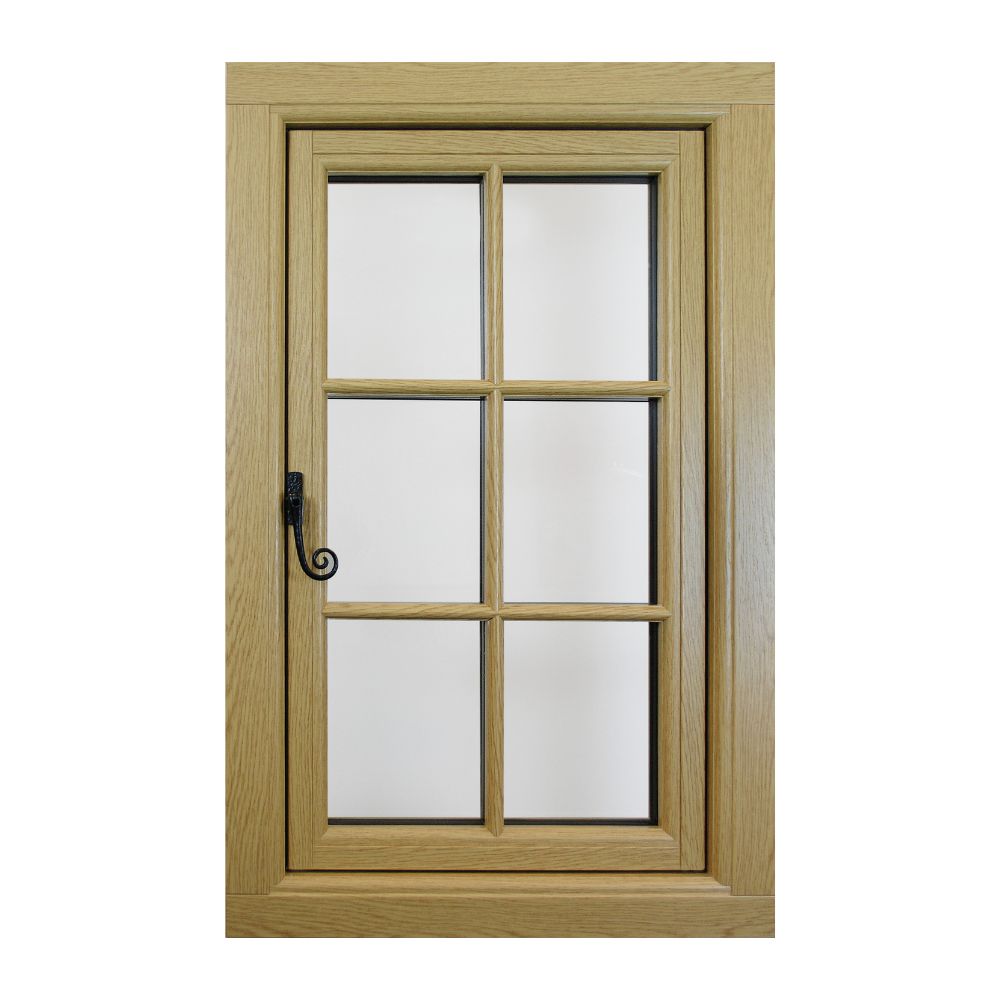
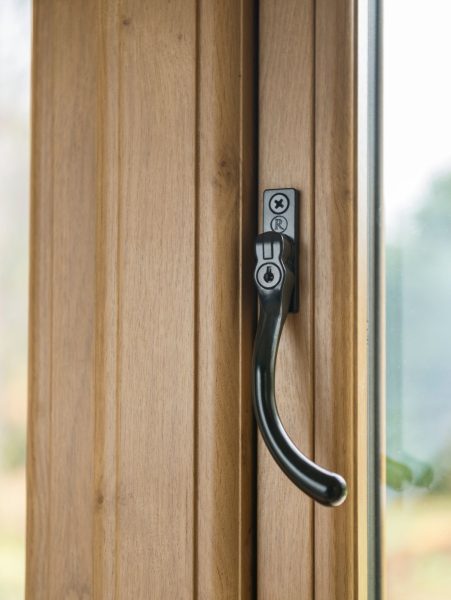
A heritage window is only as authentic as its finishing details. To complete the illusion of genuine 19th-century timber, both the Residence 7 and Residence 9 systems can be heavily customized and upgraded with bespoke architectural hardware.
📍 Article 4 Conservation Areas in Hampshire
If you reside in a strict “Article 4” conservation area (highly common in Winchester, Salisbury, and older parts of Andover), the local council may heavily restrict replacing timber windows with standard uPVC. The 100mm depth and authentic decorative styling of Residence 9 was specifically engineered to legally bypass these exact restrictions. It is regularly approved by conservation officers across Hampshire as a genuine “like-for-like” timber alternative.
7. Frequently Asked Questions
If you live in an Article 4 conservation area or a genuine period property, yes. The thick 100mm frame depth and highly decorative internal detailing are often legally mandatory to satisfy local planning officers. However, if you live in a standard modern home, R7 offers the exact same stunning external flush sash look for a significantly lower price point and is much easier to install.
Yes. Both Residence 7 and Residence 9 can easily accommodate standard 28mm double glazing or ultra-thick 44mm triple glazing. When specified with high-performance triple glazing, both frame systems can achieve phenomenal U-values as low as 0.8 W/m²K, easily meeting strict Passivhaus standards.
A standard, budget uPVC window uses heat to fuse the plastic at a 45-degree angle, leaving a very obvious diagonal line across every corner of the frame. A mechanical joint (branded as Timberweld®) expertly mimics how real wood is joined together—using straight 90-degree butt lines where the horizontal and vertical bars meet, providing total authenticity.
📚 Explore the Residence Knowledge Hub
Dive into the technical specifications and view our premium profiles below:
Ready to upgrade your home?
You must see the incredible Timberweld joints in person to appreciate the premium quality. Visit the KJM Group showroom in Andover to physically touch and compare the Residence Collection, or contact us today to arrange a free, no-obligation survey across Hampshire or Berkshire.
Request a Transparent Quote
Mark Pearce is a highly experienced specialist in the double glazing industry, having built his knowledge from the ground up through hands-on experience in installation, manufacturing, sales, and business management. Beyond his role at KJM, Mark is a keen blogger, writer, and traveller, often sharing insights on the latest innovations in the home improvement industry.
- Comp Door Launches New 2026 Brochure Featuring ‘Total Black Out’ Frames - 11 September 2026
- Solidor launch five new doors - 21 August 2026
- KJM Group Wins Which? Trusted Trader of the Month (Aug 2026) - 4 August 2026