Timber - PVC - Aluminium - Windows, Doors & Conservatories in Hampshire
Misted Double Glazing: How to Fix Condensation Between Window Panes
Misted Double Glazing: How to Fix Condensation Between Window Panes
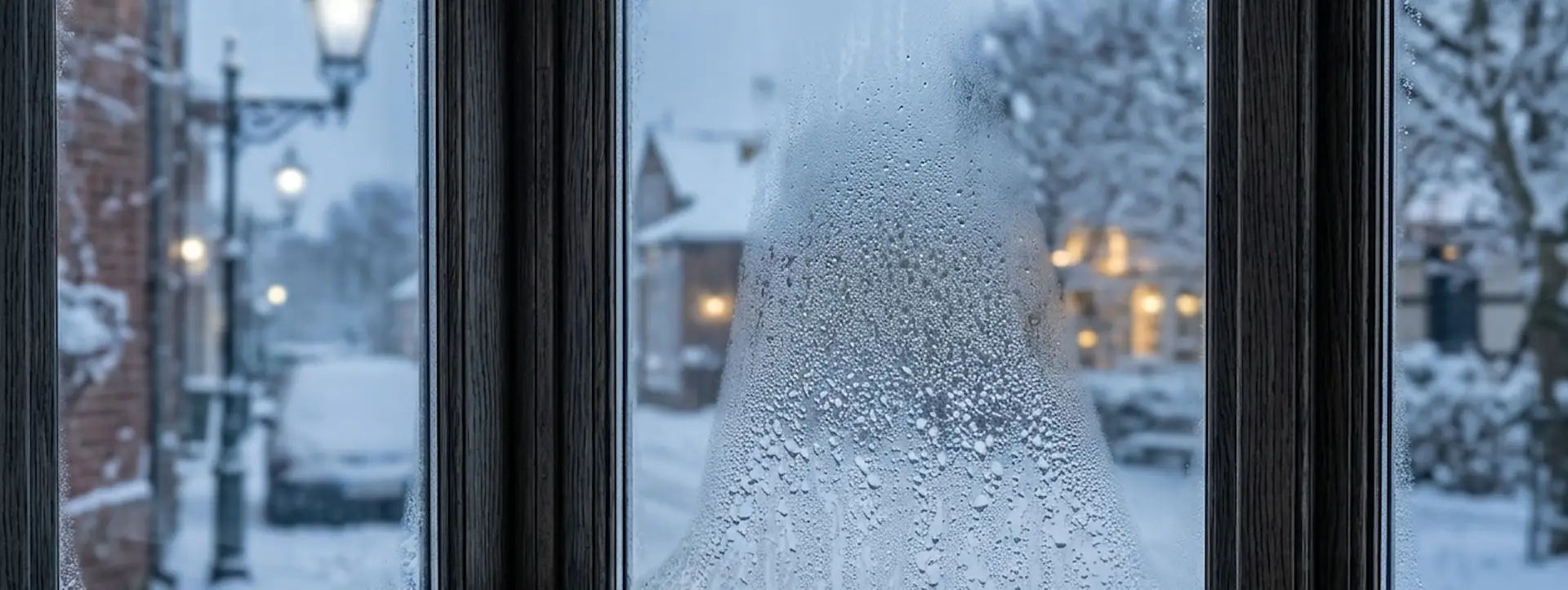
If your window looks foggy, heavily misted, or has water droplets trapped physically inside the glass where you can’t wipe them, your double glazing unit has officially “blown.” Here is the truth about how to fix it.
Why is there condensation between my window panes? If moisture is trapped between the two sheets of glass, the perimeter seal of your double glazing unit has structurally failed. The insulating Argon gas has escaped, and moist outside air has gotten in. You cannot clean or wipe it away. The only effective, long-term fix is to replace the sealed glass unit (you do not usually need to replace the entire window frame).
🔍 Condensation Diagnostic Tool
Where exactly is the moisture on your window?
Between the Panes
The moisture is trapped inside the glass unit itself.
Tap to reveal →🛑 You Are Here
Keep reading! This guide explains exactly why your seal has failed and how we replace the glass to restore your thermal efficiency.
Inside the Room
I can wipe the water away from inside my house.
Tap to reveal →⚠️ Ventilation Issue
This is high indoor humidity, not a broken window.
Read Internal Guide →
Outside the Glass
The glass is wet on the exterior, facing the garden.
Tap to reveal →🏆 Perfect Insulation
This is normal! It proves your windows are working.
Read External Guide →
Page Contents
1. What Does Misted Double Glazing Mean?
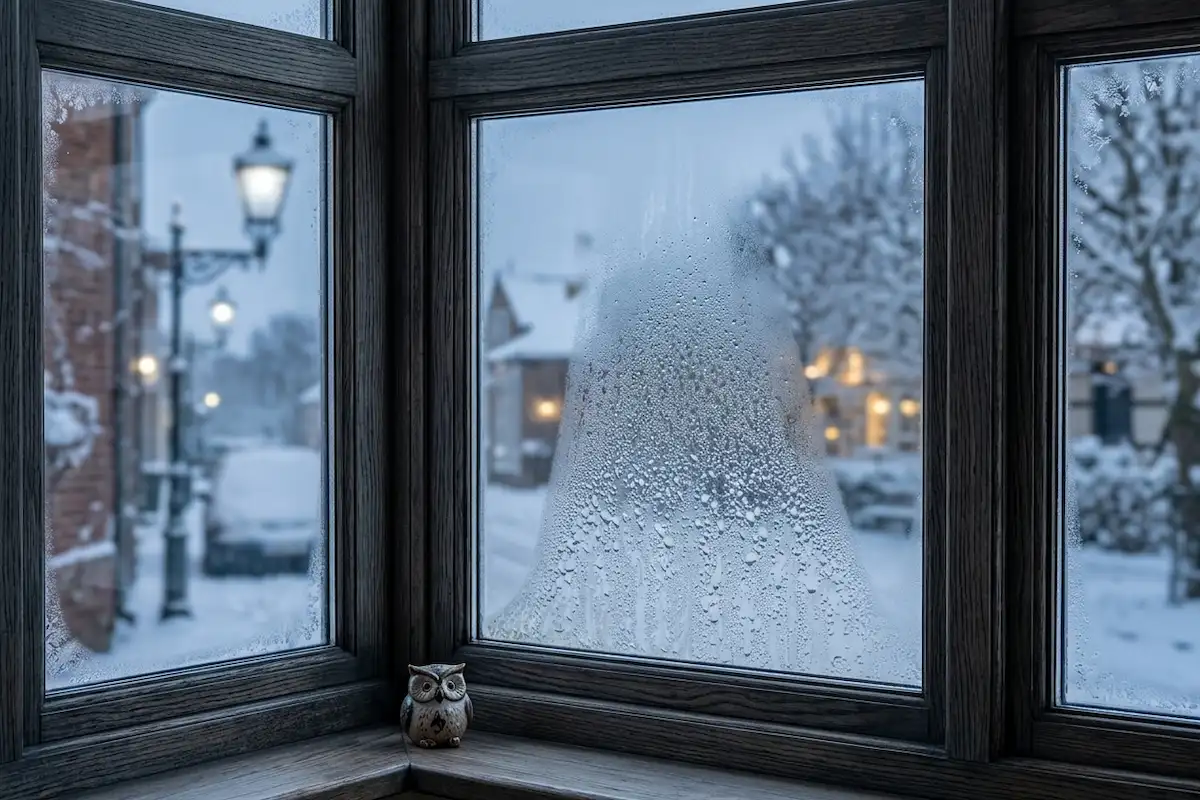
You have tried wiping the inside of your window. You have gone outside and wiped the exterior. However, the cloudy, foggy mist remains completely stubbornly trapped. Sound familiar?
In the glazing industry, we refer to this as a “blown” or failed sealed unit. Specifically, it means the critical hermetic seal that joins the two panes of glass together has broken down over time. It is no longer air-tight. Consequently, your window has completely lost its thermal efficiency.
2. The Anatomy of a “Blown” Window Seal
To fundamentally understand why this has happened to your window, you need to look at how modern double glazing is actually manufactured.
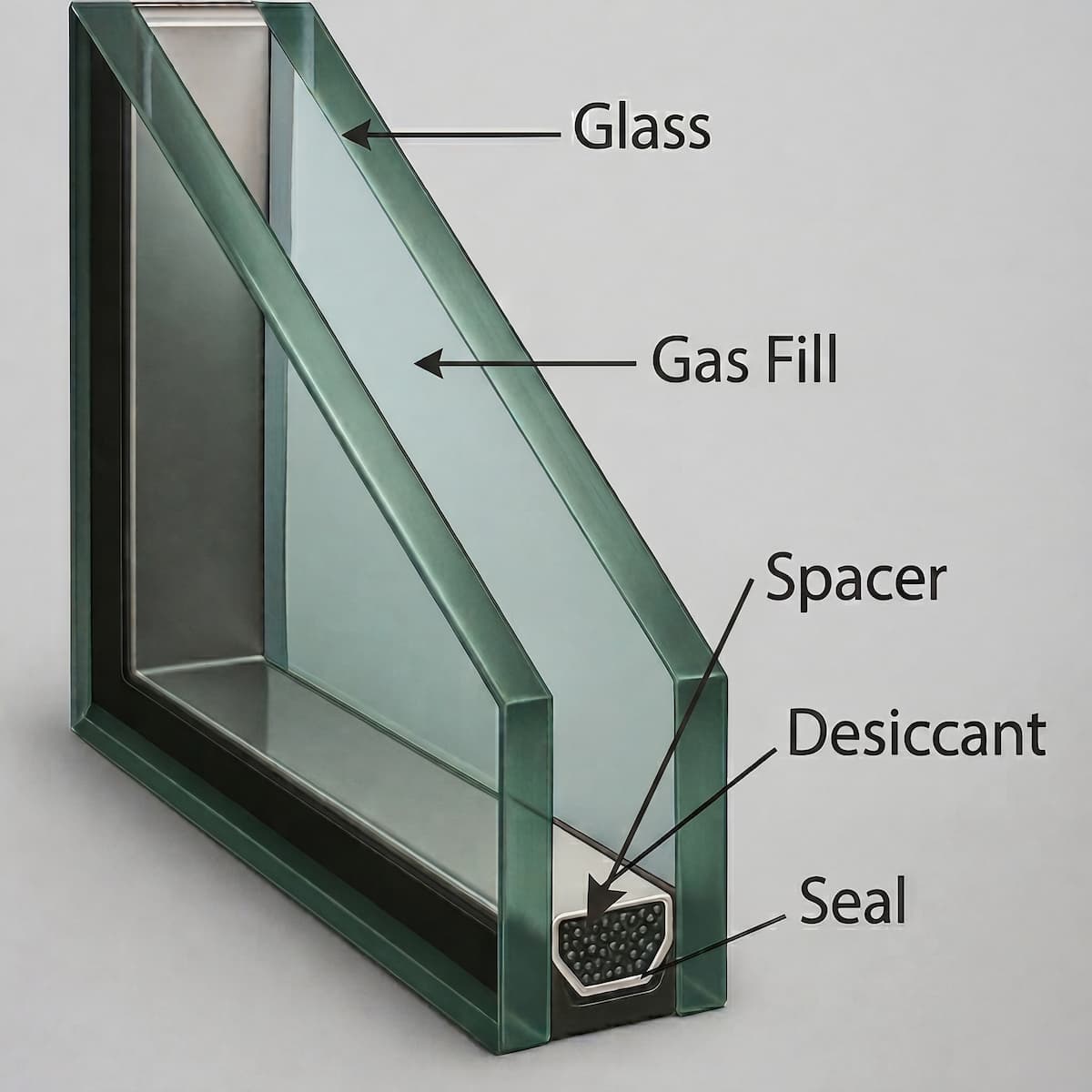
A modern Insulated Glass Unit (IGU) is not just two pieces of glass simply shoved into a plastic frame. Instead, the two glass panes are held precisely apart by a spacer bar. The edges are then heavily injected with an industrial sealant. Finally, the cavity between the glass is filled with Argon gas (which acts as a much better insulator than standard air).
How the Moisture Gets Trapped
Inside the spacer bar, manufacturers hide tiny silica beads (desiccant)—essentially the same moisture-absorbing beads you find in a new shoebox. If a microscopic hairline crack develops in the perimeter seal (usually due to years of natural expansion and contraction from the sun), moist outside air is slowly sucked into the cavity.
Initially, the silica beads absorb this moisture, so you don’t notice a problem. However, eventually, the beads become completely saturated. Consequently, the exact moment they can hold no more water, the moisture rapidly turns into visible condensation on the inside of the cold glass.
3. The DIY Myth: Can I Just Drill a Hole in the Glass?
If you search online for “how to fix misted windows,” you will inevitably find DIY videos suggesting you drill tiny holes into the glass or spacer bar to manually “vent” the moisture out, followed by injecting a chemical drying agent.
As a professional with four decades of experience, I strongly advise against this. Here is exactly why:
- Thermal Destruction: The moment your seal originally failed, the heavy, insulating Argon gas escaped. Drilling a hole actively guarantees that the gas is gone forever. While you might temporarily clear the visual fog, you are left with two pieces of glass that offer vastly reduced thermal insulation. Therefore, your heating bills will not benefit.
- It is Temporary: The original perimeter seal is still broken. Consequently, more moisture will inevitably return.
- Safety Risks: Drilling directly into toughened safety glass will cause it to instantly shatter into thousands of pieces, requiring immediate emergency replacement.
The Industry Standard
Regulatory bodies like the Glass and Glazing Federation (GGF) state that a failed sealed unit can severely compromise the energy rating of your home. Ultimately, the only compliant, effective method to restore your property’s thermal efficiency is a complete replacement of the affected glass unit.
4. The Real Fix: Glass Unit Replacement
Many homeowners immediately panic when they see a blown window, assuming they will have to pay thousands of pounds to rip out their uPVC or aluminium window frames, ruining their wallpaper and plasterwork in the process.
The great news is: You rarely need a whole new window.
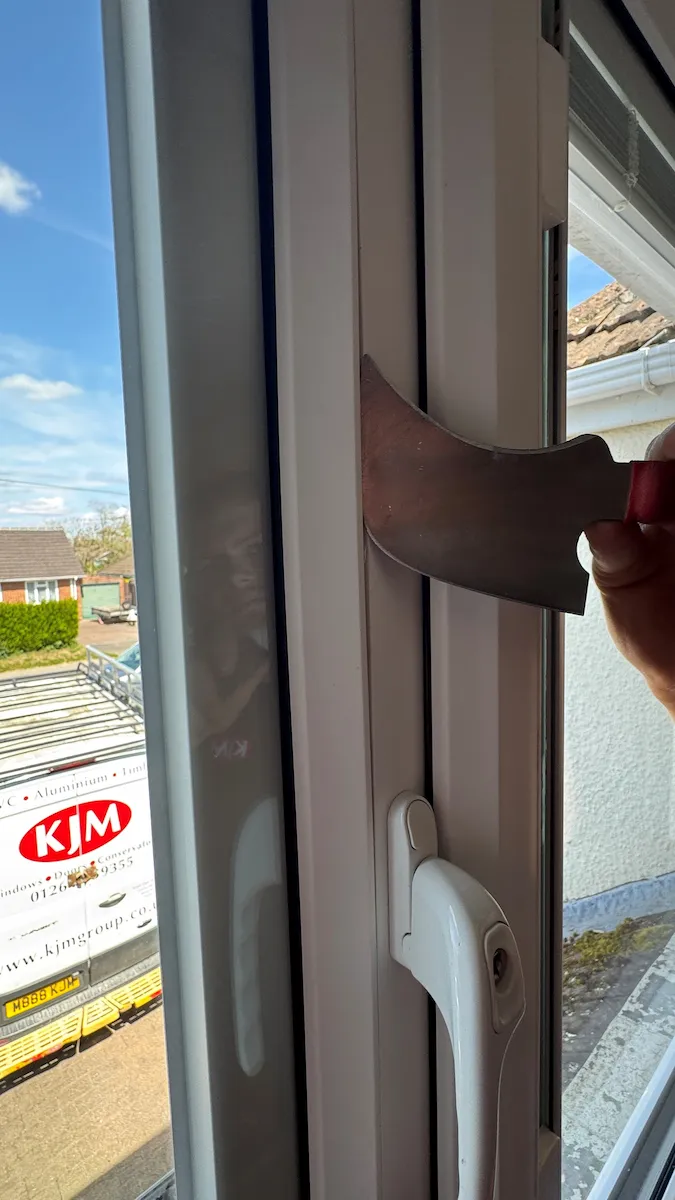
Because the window frame and the glass are actually two completely separate components, our installers can perform a direct “glass replacement.” Specifically, we carefully unclip the retaining beads from your existing frame, remove the heavy, water-logged failed unit, and safely slot a brand new, Argon-filled, highly energy-efficient glass unit directly in its place.
Ultimately, it takes a fraction of the time, causes zero mess to your interior decor, and costs significantly less than a full window replacement.
5. Frequently Asked Questions
No, the actual glass unit itself cannot be repaired or “resealed.” Once the hermetic seal has broken and the insulating Argon gas has escaped, the unit is mathematically dead. The frame, however, is perfectly fine. The correct “repair” is simply removing the old glass and installing a new glass pane into the existing frame.
It is not directly dangerous to your health (unlike black mould growing on the inside of your bedroom walls). However, it is highly detrimental to your wallet. A blown window leaks your expensive central heating directly outside, drastically increasing your overall energy bills.
Depending on the quality of the manufacturing and the specific location of the window (South-facing windows endure much harsher UV sunlight and thermal stress), a high-quality sealed unit should comfortably last between 15 to 20 years before the perimeter seals begin to naturally degrade.
It is significantly cheaper than replacing the whole window frame. The cost depends entirely on the size of the glass, whether it is toughened safety glass, and if it features any specific leaded or Georgian bar designs. Contact us for a free, no-obligation measurement and quote.
📚 Explore Our Performance Glazing Hub
This article is part of our comprehensive series on high-performance windows. To understand the complex science, costs, and comparisons in more detail, explore below:
Need Your Misted Glass Replaced?
Don’t let blown windows ruin your view or drain your central heating. We offer professional, fast, and tidy glass replacement services across Hampshire.
Contact KJM for a Free Repair Quote
Mark Pearce is a highly experienced specialist in the double glazing industry, having built his knowledge from the ground up through hands-on experience in installation, manufacturing, sales, and business management. Beyond his role at KJM, Mark is a keen blogger, writer, and traveller, often sharing insights on the latest innovations in the home improvement industry.
- Pilkington Launches Optitherm S3 Plus Triple Glazing Glass - 16 October 2026
- Comp Door Launches New 2026 Brochure Featuring ‘Total Black Out’ Frames - 11 September 2026
- Solidor launch five new doors - 21 August 2026