Timber - PVC - Aluminium - Windows, Doors & Conservatories in Hampshire
Is Your Front Door a “Welcome Mat” for Burglars? A Homeowner’s Security Audit
Is Your Front Door a “Welcome Mat” for Burglars? A Homeowner’s Security Audit
It is a chilling thought, but it is one every homeowner needs to confront. According to data from the Office for National Statistics (ONS), a staggering 76% of burglars gain entry through a door, with the front of the property being the most common point of attack.
- 🚨 76% Risk: ONS data confirms most burglars enter through a door, not a window.
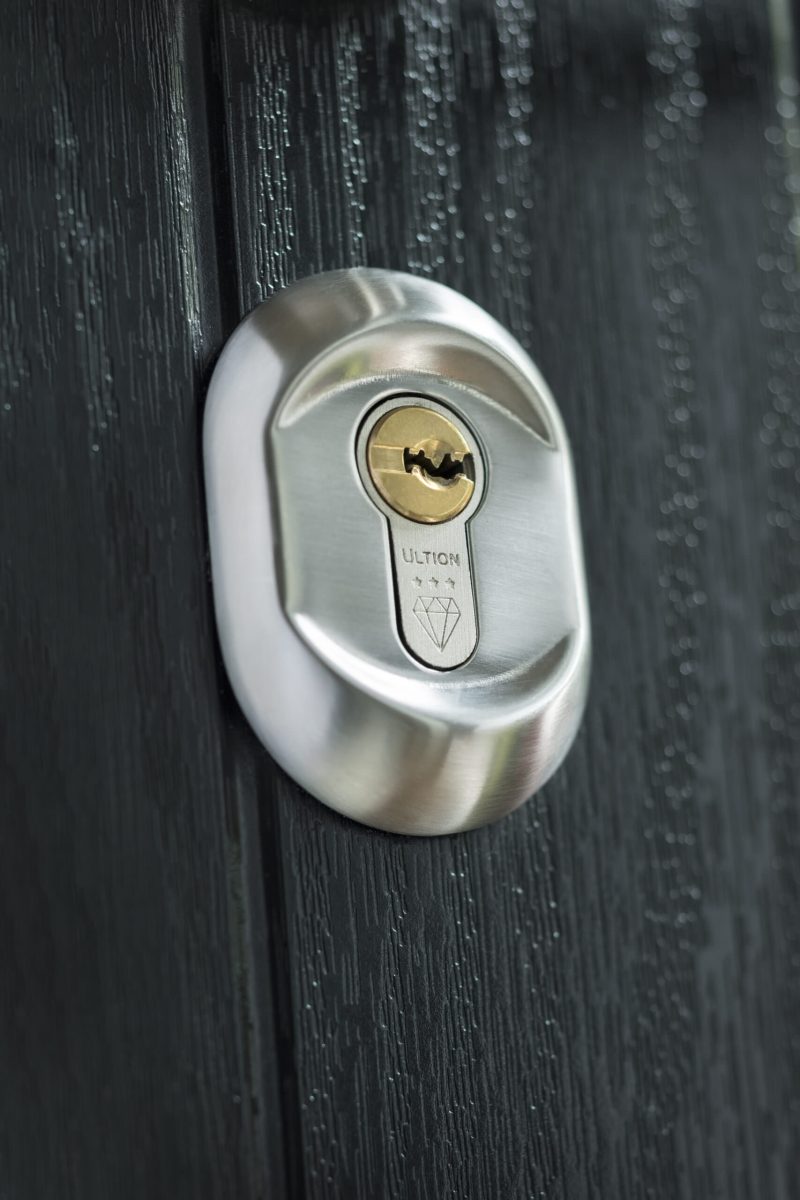
- 🔓 Lock Snapping: Standard euro-cylinders can be snapped in under 15 seconds. Upgrading to Ultion prevents this.
- ✅ PAS 24: This is the gold standard for security testing. Always check for this certification.
- 🚪 The Solution: A composite door with a solid core and multi-point locking is your best defence.
We often imagine criminals scaling drainpipes or smashing back windows under the cover of darkness. The reality is much bolder. Most intruders are opportunists who simply exploit the weakest point of your home’s primary defence. If your front door isn’t up to standard, it isn’t a barrier; it is effectively a “welcome mat.”
Table of Contents
🛡️ Security Risk Assessor
Answer 3 quick questions to check your vulnerability:
1. Does your lock cylinder stick out from the handle?
2. Does your door feel hollow or lightweight when knocked?
⚠️ High Vulnerability Detected
Your door shows signs of weakness (likely lock snapping risk or weak panels). Opportunist burglars target these flaws specifically.
Recommendation: Consider a lock cylinder upgrade (Ultion) or a full Composite Door replacement.
✅ Good Security
Your door appears to have modern security features. Ensure you engage the multi-point lock (lift the handle) every time you leave the house.
2. The 3-Point Security Audit: Is Your Door Vulnerable?
Take a moment today to look at your front door. Many older uPVC and timber doors suffer from three fatal flaws that modern criminals know how to exploit in seconds.
1. Lock Snapping
If the cylinder sticks out, intruders can snap it in 15 seconds using household tools. Fix: Install flush-fitting, anti-snap cylinders.
2. Weak Panels
Old uPVC doors often use thin Styrofoam cores. These offer little resistance and can be kicked through. Fix: Solid timber or high-density composite cores.
3. Frame Flex
If the strike plate is held by short screws into plastic, a crowbar can pop the door open. Fix: Steel-reinforced frames.
3. The Fix: Understanding PAS 24 (The Gold Standard)
You don’t need a moat to secure your home; you just need a door that meets the PAS 24 standard.
PAS 24 (Publicly Available Specification 24) is the official British Standard for enhanced security performance. It involves rigorous tests by independent labs:
- Manual Attack Test: Simulated attacks using screwdrivers, crowbars, and chisels.
- Impact Test: Heavy weights swung at the door to simulate kicking.
- Hard Body Impact: To ensure the handle and lock cannot be smashed off.
4. Security Snapshot: The Upgrade Difference
See how a modern KJM installation compares to the typical older doors found in many UK homes.
- Cylinder: Standard Euro (Snap Risk)
- Locking: Single Latch
- Core: Hollow / Styrofoam
- Certification: None
- Cylinder: Ultion 3-Star (Anti-Snap)
- Locking: Multi-Point Hooks
- Core: Solid Timber / High Density
- Certification: PAS 24 Ready
5. See Real Security in Action
Watch how the advanced technology inside our upgrade options (featuring Ultion) activates “Lock Down Mode” when it detects an attack:
6. Frequently Asked Questions
PAS 24 is the technical test standard. Secured by Design is a police initiative that recognizes products that meet high standards, including PAS 24. A Secured by Design door uses PAS 24 as its benchmark.
Yes, you can upgrade the cylinder to an anti-snap lock, which helps significantly against lock-snapping attacks. However, if the door panel itself is thin or aged, the door remains vulnerable to brute force attacks (kicking). A full replacement is safer for older doors.
Check the inside edge of the door frame (the bit you see when the door is open). Accredited manufacturers often place a label or kitemark there. If your door is over 15 years old, it is unlikely to meet current PAS 24 standards.
A standard lock secures the door at one point near the handle. A multi-point lock features a series of hooks or bolts that engage with the frame at the top, bottom, and middle of the door when the handle is lifted. This spreads the strength across the entire door frame.
📚 Secure Your Home
Explore our security solutions:

Mark Pearce is a highly experienced specialist in the double glazing industry, having built his knowledge from the ground up through hands-on experience in installation, manufacturing, sales, and business management. Beyond his role at KJM, Mark is a keen blogger, writer, and traveller, often sharing insights on the latest innovations in the home improvement industry.
- Comp Door Launches New 2026 Brochure Featuring ‘Total Black Out’ Frames - 11 September 2026
- Solidor launch five new doors - 21 August 2026
- KJM Group Wins Which? Trusted Trader of the Month (Aug 2026) - 4 August 2026