Timber - PVC - Aluminium - Windows, Doors & Conservatories in Hampshire
Glazing Glossary: A-Z of Window & Door Terminology
Glazing Glossary: A-Z of Window & Door Terminology
The Ultimate Glazing Glossary
Confused by industry jargon like “Lift & Slide”, “Flying Mullions”, or “U-Values”? We expertly translate complex window and door terminology into plain English so you can confidently buy the perfect products for your home.
A
Highly specialised glazing designed specifically to drastically reduce noise pollution. It cleverly uses a thick, transparent PVB plastic interlayer sandwiched securely between two panes of glass to actively absorb disruptive sound waves, making it vastly superior to standard double glazing for busy roads.
The physical distance directly between the panes of glass in a sealed unit. In highly modern windows, this gap is strictly optimised (usually around 16mm to 20mm) and heavily filled with inert Argon gas to seamlessly maximise thermal insulation.
A highly secure lock profile. A conventional basic cylinder can unfortunately be easily ‘bumped’ open by burglars using a specially crafted bump key. Conversely, premium anti-bump locks feature significantly more internal pins and complex mechanisms to permanently prevent this specific method of forced entry.
A crucial security upgrade that intelligently features designated ‘sacrificial cut lines’. Consequently, if a determined burglar violently tries to physically snap the lock with heavy grips, the outer tip instantly breaks off safely, but the central locking mechanism remains totally intact and securely locked.
An incredibly dense, totally invisible, and safe non-toxic noble gas securely pumped directly into the sealed gap between window panes. Because it is significantly denser than standard air, it effectively acts as a massive barrier, drastically slowing down internal heat escaping your home.
A strict legal directive frequently issued by a local planning authority (often within Conservation Areas) that officially removes standard permitted development rights. Ultimately, this explicitly means you absolutely must apply for formal planning permission before changing the exterior aesthetics of your windows or doors.
Authentic-looking decorative bars firmly fitted directly to the exterior and interior surfaces of the glass, cleverly replicating the classic look of multiple separate, small panes of glass. They are often absolutely essential for satisfying strict conservation officers.
B
A classic structural window space physically projecting outward from the main flat walls of a building. It essentially forms an internal bay inside the room, frequently creating a beautiful deep shelf or a cosy window seat.
The rigid plastic or aluminium strip that physically snaps securely into the main frame to tightly hold the heavy glass unit in place. All highly secure modern windows are ‘internally beaded’ so the glass literally cannot be removed from the outside by intruders.
Frequently known as chamfered frames, these specifically feature a distinctly flat, angular profile. They are incredibly common in modern or minimalist homes for a highly clean, sharp architectural look.
Large exterior doors that seamlessly slide and physically fold in a complex concertina style. Ultimately, they stack incredibly neatly against the wall to miraculously open up an entire side of your house to the garden.
Strict statutory legal requirements in the UK that explicitly dictate minimal standards for thermal energy efficiency (Part L), vital ventilation (Part F), structural safety, and physical security (Part Q) for all home improvements.
C
Undeniably the UK’s absolute most common window style. The main opening sash is securely attached directly to the outer frame by strong hinges located at the vertical side, easily opening outwards into the fresh air.
The crucial horizontal ledge projecting slightly outward at the very bottom of the window frame. It is meticulously designed to swiftly direct falling rainwater safely away from the underlying brickwork to entirely prevent damp.
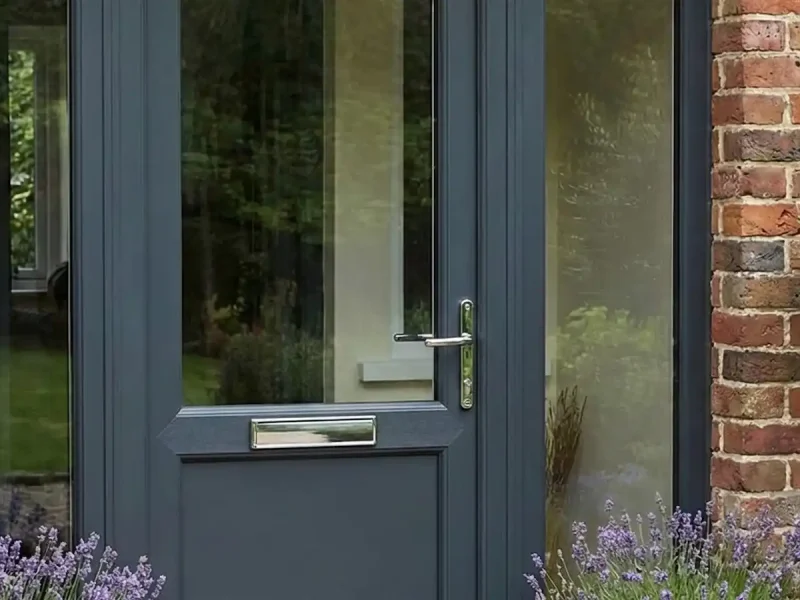
A premium entrance door heavily engineered from multiple distinct materials (solid wood, insulating foam, and tough GRP plastic) to essentially create a final product vastly stronger, significantly warmer, and much more secure than a cheap single-material uPVC door.
D
A highly porous chemical material safely hidden directly inside the perimeter spacer bar of a double-glazed unit. It actively absorbs any microscopic internal moisture, permanently preventing annoying condensation from forming between the glass panes.
A completely non-opening sash cleverly installed directly into a fixed frame. This is explicitly done purely for superior aesthetics, ensuring all glass panes visually align perfectly (equal sightlines) regardless of whether they physically open or stay closed.
E
The Window Energy Rating (WER) is an official, easy-to-understand alphabetical scale (from G up to A++) strictly governed by the BFRC. It accurately calculates the total energy efficiency of the entire window unit, including heat loss and solar gain.
The highly complex metal locking mechanism safely concealed completely inside the window frame. When you securely turn the handle, the internal Espag effortlessly slides steel cams deep into the keeps to aggressively lock the window at multiple points.
F
A much smaller secondary window practically located directly above a door or another much larger window. It is remarkably often top-hung (opening outwards from the bottom) to conveniently provide safe ventilation without needing to open the main window.
The Fenestration Self-Assessment Scheme. It is a government-authorised scheme perfectly enabling registered installation companies to legally self-certify that their new windows heavily comply with all strict Building Regulations without needing local council inspections.
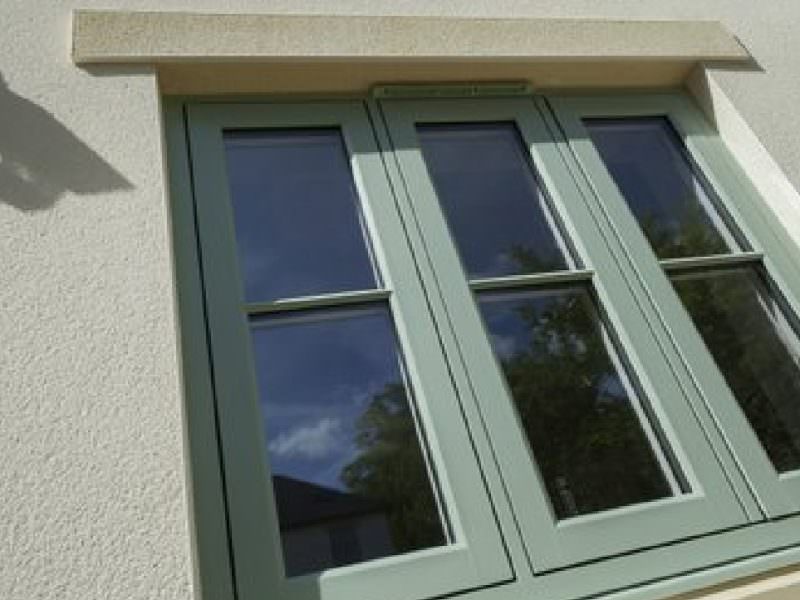
A highly architectural window where the opening sash physically sits completely flush within the outer frame (totally flat), brilliantly replicating the clean, traditional look of pre-1932 heritage timber joinery.
Specifically used on elegant ‘French Casement’ windows. The central vertical bar is cleverly attached to one of the actual opening sashes, so when both windows are totally open, there is a massive, unobstructed clear view with absolutely no central bar left behind.
The highly engineered modern hinge predominantly used on heavy uPVC windows. It securely holds the window open entirely via built-in mechanical friction (so it absolutely doesn’t slam shut in the harsh wind) and completely eliminates the need for old-fashioned, rattling stay arms.
G
The specific scientific metric that strictly measures exactly how much free solar heat effortlessly enters directly through the glass. A high G-value explicitly equals maximum free heat captured from the winter sun (known as Solar Gain).
Classic decorative bars that are conveniently situated completely inside the sealed glass unit. Consequently, this makes them vastly easier to clean than external Astragal bars, as the outer glass surface remains totally smooth.
An incredibly robust, impact-resistant composite material (the exact same tough material heavily used to safely construct lifeboats). It forms the virtually indestructible outer skin of premium modern composite doors, totally preventing unsightly dents and aggressive scratching.
H
The collective industry term officially referring to all the operational metal components securely fitted to a window or door, extensively including handles, letterboxes, hinges, and complex locking mechanisms.
I
The incredibly classic sliding door system where the heavy glass panel effortlessly slides completely parallel to the main wall directly within the frame tracks. Importantly, it absolutely does not lift up before sliding, distinctly distinguishing it from more complex ‘Lift & Slide’ systems.
K
The incredibly strong metal slots or heavy-duty plates physically screwed securely into the fixed outer frame. When you aggressively lock a window or door, the steel bolts or rollers actively slot completely into the keeps to rigidly secure the unit.
L
A highly specialised safety glass that stubbornly holds together even when brutally shattered (exactly like a modern car windscreen). It explicitly features a tough plastic interlayer safely sandwiched directly between two heavy sheets of glass, effortlessly offering incredibly high security and massive sound reduction.
A highly premium, advanced sliding door mechanism. Aggressively turning the main handle 180 degrees physically lifts the incredibly heavy door sash completely up onto its large rollers, effortlessly allowing even huge, heavy panes of glass to glide smoothly. When returning the handle, the door drops down and locks totally air-tight.
Low Emissivity architectural glass. It explicitly features an incredibly advanced microscopic chemical coating that efficiently reflects expensive internal heat straight back into the room to massively improve overall insulation without blocking external light.
A highly stringent, independent security testing standard widely recognised across the UK. Doors and windows that successfully pass this brutal physical attack test are officially recognised as highly secure against determined opportunist burglars.
M
An essential vertical structural bar that physically divides two separate window units or robustly separates a main door from a fixed glass sidelight.
An incredibly robust security system heavily utilised on all modern doors and windows. Turning the key or lifting the main handle actively engages heavy steel hooks and bolts at three, four, or even five completely different vertical locations simultaneously along the frame.
N
A highly practical secondary locking position cleverly built into the window handle mechanism. It intelligently allows the window to be firmly locked while remaining ever so slightly open (approx 10mm), brilliantly providing highly secure, continuous ventilation overnight.
O
Heavily patterned, textured, or deeply frosted glass predominantly used for vital visual privacy (e.g., in downstairs bathrooms or front doors). It is officially graded from Level 1 (barely blurred) up to Level 5 (absolute maximum total privacy).
A highly decorative, classic profile style specifically featuring elegant, sweeping curved edges. It is meticulously designed to beautifully mimic the soft aesthetics of highly traditional, hand-crafted timber joinery.
P
The highly specific, strict section of the UK Building Regulations governing the ‘Conservation of Fuel and Power’. It explicitly sets the absolute legal U-value limits and thermal energy efficiency standards for all new residential windows and doors.
The vital section of the Building Regulations that legally ensures ground-floor windows and exterior doors in completely new homes are rigorously manufactured to safely resist sustained physical attacks by casual, determined intruders.
A widely recognised, highly rigorous UK security testing standard. If a modern door or window is officially PAS 24 certified, it explicitly means it has successfully passed brutal, simulated physical attacks using heavy manual tools, easily proving its robust security credentials.
A remarkably strong, highly advanced plastic resin barrier seamlessly installed directly down the centre of all premium aluminium frames. Ultimately, it absolutely prevents the cold exterior metal from rapidly transferring freezing temperatures directly to the warm inside metal.
R
A massively acclaimed, ultra-premium timber-alternative window system. It is meticulously designed from the ground up with a massive 100mm profile to flawlessly replicate 19th-century flush sash timber windows, frequently satisfying incredibly strict conservation officers.
A highly modern, electric space-saving garage door where the entire flexible metal curtain effortlessly rolls completely up into a very tight, highly compact top box securely positioned completely above the opening, massively freeing up valuable ceiling space.
S
The specific, active part of the window that physically holds the heavy glass unit and actually opens. It securely sits entirely inside the main fixed outer frame.
Decorative, curved downward protrusions visibly located at the very bottom corners of the upper sliding sash on highly traditional Victorian windows. On premium modern uPVC equivalents, these are ‘run-through’, meaning they are structurally integrated into the heavy frame rather than just cheaply stuck on.
An entirely separate, remarkably slimline window unit meticulously installed directly on the inside of your existing primary window. It is undeniably the absolute ultimate solution for completely eradicating heavy traffic noise and vastly improving thermal performance in strictly Listed Buildings.
The highly respected, official UK Police flagship security initiative. If a window or composite door officially carries the prestigious SBD logo, it undeniably proves it has successfully passed absolutely rigorous, brutally destructive physical break-in tests.
The visible width of the actual solid frame profiles when looking directly at the window. Modern architects desperately crave “ultra-slim sightlines” specifically to aggressively minimise the bulky frame and massively maximise the stunning clear glass viewing area.
T
An incredibly clever dual-function European window. Turn the large handle 90° and it aggressively swings inwards exactly like a heavy door (effortlessly allowing you to safely clean the outside glass from inside). Turn the handle 180° and it securely tilts inwards at the top for safe, highly secure draught ventilation.
A highly functional window sash that is rigidly hinged directly at the top and smoothly pushes outwards from the absolute bottom. It is incredibly commonly used for smaller fanlights or highly private bathroom windows.
Specialist glass that has been rigorously heat-treated during manufacturing to be up to 5x significantly stronger than standard, cheap float glass. Crucially, if violently broken, it safely shatters into tiny, completely blunt granules rather than lethal, sharp jagged shards.
A massive horizontal structural bar that physically separates a solid door from a small window directly above it, or safely separates a large fixed lower glass pane from a smaller opening upper fanlight.
Remarkably small, highly controllable air vents securely integrated directly at the top of the modern frame profile. They effortlessly allow essential, constant background ventilation to aggressively reduce trapped internal condensation entirely without needing to physically open the main window.
An extremely heavy, highly advanced sealed unit consisting of three totally distinct panes of glass completely separating two massive internal argon-filled cavities. It genuinely provides absolute maximum thermal retention, heavily utilised in strict Passivhaus construction.
U
The absolute critical scientific measure of expensive heat loss. Crucially, remarkably lower numbers are significantly better. Highly advanced modern A-rated windows reliably aim for 1.4 W/m²K or far lower to comply with strict government standards.
The incredibly tough, highly rigid plastic compound massively used to safely construct the vast majority of all modern double-glazed window and door frames due to its completely weather-resistant, zero-maintenance, highly insulating properties.
W
The highly durable, heavy-duty black rubber strips firmly embedded entirely around the perimeter of the opening sash and the main outer frame. They actively compress incredibly tightly when closed to permanently banish freezing draughts and driving rain.
Tiny, highly essential drainage slots visibly located at the absolute bottom of a plastic window frame or projecting cill. They cleverly allow completely trapped rainwater to seamlessly drain out of the hollow frame profile to actively prevent devastating internal leaks.
📚 The Transparency Hub
We strongly believe an educated customer logically makes the absolute best decisions. Explore our fully transparent buying guides below:
Ready to Start Your Project?
Now that you completely understand the complex industry jargon, precisely discover how KJM Group can thoroughly support your home upgrade needs. Whether you desperately require expert architectural advice on perfectly sourcing Flush Sash frames or highly secure Anti-Snap locks, we are here to definitely help.
Contact KJM for a Free Quote
Mark Pearce is a highly experienced specialist in the double glazing industry, having built his knowledge from the ground up through hands-on experience in installation, manufacturing, sales, and business management. Beyond his role at KJM, Mark is a keen blogger, writer, and traveller, often sharing insights on the latest innovations in the home improvement industry.
- Pilkington Launches Optitherm S3 Plus Triple Glazing Glass - 16 October 2026
- Comp Door Launches New 2026 Brochure Featuring ‘Total Black Out’ Frames - 11 September 2026
- Solidor launch five new doors - 21 August 2026