Timber - PVC - Aluminium - Windows, Doors & Conservatories in Hampshire
The Definitive Guide to Window Replacement (2026) | KJM Group
The Definitive Guide to Window Replacement (2026) | KJM Group
Replacing windows is undeniably a significant capital expenditure. Furthermore, it frequently ranks as the absolute third most expensive structural purchase a modern homeowner makes. Consequently, this comprehensive guide explicitly explains the complex engineering, strict legal regulations, and precise installation realities of completely replacing windows in the UK.
| Area | What You Need to Know |
|---|---|
| The Law (2025/2026) | New replacement windows must legally achieve a highly efficient U-value of 1.4 W/m²K or significantly lower. |
| Ventilation | Crucially, new regulations usually require functional Trickle Vents, even if your ancient original windows didn’t previously feature them. |
| Technology | Advanced “Warm Edge Spacer Bars” and dense “Argon Gas Fill” are now considered absolute standard essentials. |
Table of Contents
- 1. Diagnosis: Repair or Replace?
- 2. The Anatomy of a Modern Window
- 3. Understanding Part L Regulations
- 4. Material Science: uPVC vs Aluminium vs Timber
- 5. The Cost of Replacing Windows in 2026
- 6. The Physical Installation Process
- 7. Interactive: Upgrade Strategy Analyser
- 8. Frequently Asked Questions

1. Diagnosis: Repair or Replace?
Before committing thousands of pounds, it is absolutely vital to thoroughly check if a total replacement is actually necessary. At KJM, we remarkably often advise concerned customers that a simple hardware repair might completely suffice.
Failed Units: If the glass is misty but the plastic frames are perfectly fine, just securely replace the sealed glass unit (IGU).
Broken Hinges: If the window stubbornly doesn’t close tight, it’s very often just a remarkably cheap £30 friction hinge failure.
Rotten Timber: Once aggressive wet rot heavily sets into the core, the structural integrity is fully compromised.
Cold Profiles: Extremely old aluminium frames lacking a vital thermal break will sadly always conduct freezing cold.
2. The Anatomy of a Modern Window
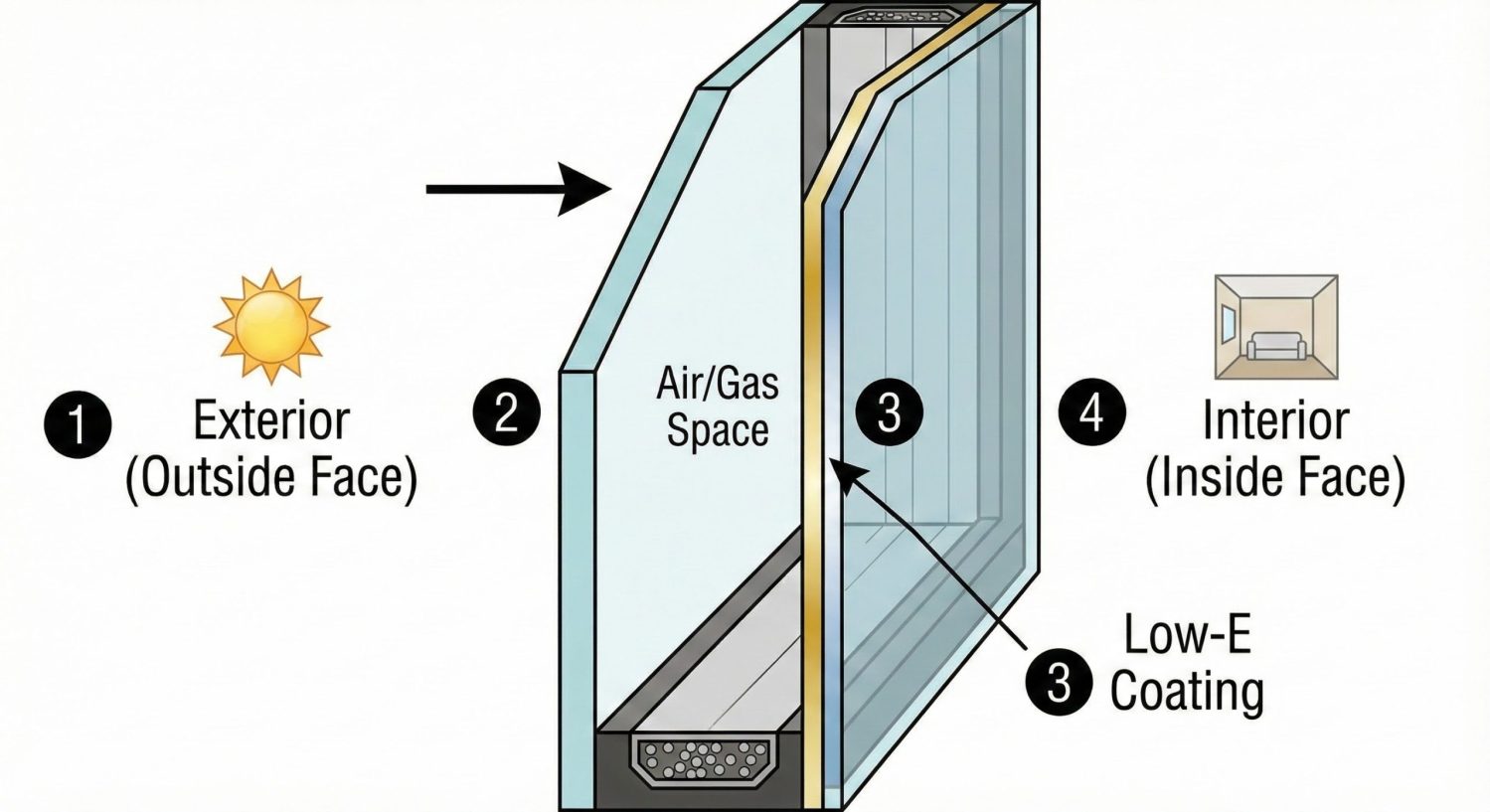
Modern, highly rated “A-Rated” windows definitively rely on three specific, incredibly advanced technologies working in perfect harmony.
The Thermal Break
In the distant past, basic frames were completely solid. Today, modern uPVC frames are cleverly “multi-chambered” (structured exactly like a honeycomb) to trap internal heat. Conversely, premium aluminium windows utilize a dense, highly efficient polyamide thermal break to actively stop heat transfer.
Warm Edge Spacer Bars
The spacer bar is the physical strip permanently separating the two heavy panes of glass. Old, inefficient windows used highly conductive aluminium spacers. Modern sealed units use a highly advanced composite “Warm Edge” spacer which is demonstrably up to 950 times less thermally conductive.
3. Understanding Part L Regulations
Since the highly publicised June 2022 Building Regulations update, the UK government has aggressively cracked down on dangerously “airtight” homes.
4. Material Science: uPVC vs Aluminium vs Timber
When carefully weighing up uPVC vs aluminium windows UK properties require different bespoke solutions depending heavily on architectural style.
| Core Material | Average Lifespan | The Expert Verdict |
|---|---|---|
| Modern uPVC | 25 – 30 Years | The reliable workhorse. Modern textured foils mimic traditional timber almost perfectly. Ultimately offers the absolute best ROI. |
| Aluminium | 40+ Years | Structurally vastly stronger. Absolutely essential for massive sliding doors or achieving ultra-thin, contemporary frames. |
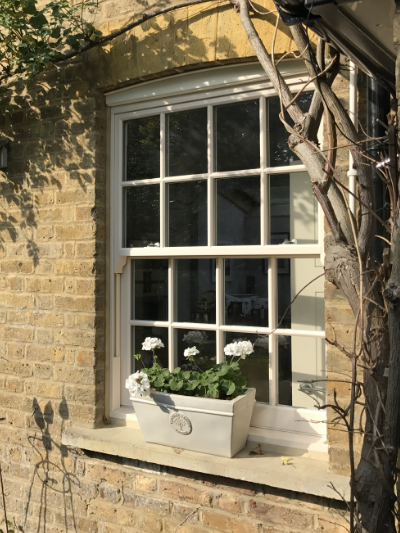
| Timber | 60+ Years | Unbeatable for heritage. Incredibly beautiful, but strictly requires repainting every 7 years to completely avoid wet rot. |
5. The Cost of Replacing Windows in 2026
Understanding the realistic cost of replacing windows 2026 is incredibly crucial before inviting any estimators into your home. While completely bespoke sizes dictate the final bill, here are the highly accurate, standard industry benchmarks for a typical UK semi-detached home:
- Standard uPVC Casement: Expect approximately £450 – £750 per individual window.
- Premium Aluminium: Generally ranges between £800 – £1,200 per window, reflecting the significantly higher raw material costs.
- Authentic Timber Sash: Usually starts from £1,300+ per window, demanding highly skilled, bespoke joinery.
6. The Physical Installation Process
A genuinely professional installation should be highly clinical and incredibly neat. If you are specifically wondering exactly how long does it take to fit double glazing, a standard 3-bedroom house usually requires 2 to 3 full days. Here is the highly standardized workflow:
- Surgical Removal: The ancient frame is carefully cut and meticulously levered away from the brickwork, ideally without maliciously damaging any interior plaster.
- Precision Fitting: The brand new frame is securely fixed deep into the solid masonry. Subsequently, the tiny perimeter gap is highly insulated using expanding polyurethane foam.
- Final Glazing: The heavy glass is finally installed utilizing “toe and heel” plastic packing to guarantee the sash sits perfectly square and never drops.
7. Interactive: Upgrade Strategy Analyser
Are you currently struggling to quickly decipher the exact right path for your property? Use our highly interactive selector below to definitively match your home improvement goals with the correct material strategy.
8. Frequently Asked Questions
They will beautifully cure harsh condensation directly on the glass itself (because the highly insulated inner pane is significantly warmer). However, because completely new windows are totally airtight, ambient room humidity might unfortunately increase elsewhere. This is exactly why utilizing modern trickle vents is absolutely crucial—to effortlessly allow that trapped moisture to escape safely.
Yes, but strictly only if the existing plastic frames are in structurally excellent condition. Note carefully that aggressively putting high-spec, incredibly heavy glass into old, fundamentally weak hinges very often leads to catastrophic mechanical failure. Ultimately, it is highly often a massive false economy for basic frames significantly older than 15 years.
For most standard residential homes in Hampshire, heavily insulated A-rated double glazing is absolutely sufficient to easily meet all building regulations. Conversely, Triple glazing is strongly best suited for freezing north-facing rooms or specific urban areas suffering with extreme noise issues. However, you must remember that the total financial payback time on energy savings is significantly longer.
In roughly 95% of professional installations, there is absolutely no damage to internal tiles or expensive wallpaper. However, you may occasionally need to lightly touch up a tiny bit of paint on the structural reveal (the plaster wall directly next to the window) entirely after the new silicone sealant has fully cured.
Usually, no. Most highly advanced modern windows are cleverly designed to be securely installed directly from the inside of the room (internally beaded). Expensive scaffolding is typically only strictly required for incredibly hard-to-reach exterior areas, such as huge dormer windows situated directly above a fragile glass conservatory roof.
📚 The Transparency Hub
We strongly believe an educated customer logically makes the absolute best decisions. Explore our fully transparent buying guides below:
Ready to Transform Your Property?
Discover precisely how KJM Group can thoroughly support your complex window replacement and rigorous installation needs. Whether you desperately require expert architectural advice on perfectly sourcing aluminium frames, or you are carefully exploring high-efficiency uPVC alternatives, we are here to definitely help.
Contact KJM for a Free Quote
Mark Pearce is a highly experienced specialist in the double glazing industry, having built his knowledge from the ground up through hands-on experience in installation, manufacturing, sales, and business management. Beyond his role at KJM, Mark is a keen blogger, writer, and traveller, often sharing insights on the latest innovations in the home improvement industry.
- Pilkington Launches Optitherm S3 Plus Triple Glazing Glass - 16 October 2026
- Comp Door Launches New 2026 Brochure Featuring ‘Total Black Out’ Frames - 11 September 2026
- Solidor launch five new doors - 21 August 2026