Timber - PVC - Aluminium - Windows, Doors & Conservatories in Hampshire
Choosing the right windows for your home
Choosing the right windows for your home
A comprehensive guide to styles, materials, and authentic detailing. Find out exactly how to choose the right windows for your home.
Buying the right windows for your home involves much more than just picking a colour and counting the openings. You must match the architectural style (such as using Flush Casements or Sliding Sashes to find the best windows for a period property), select the right manufacturing material (uPVC, Aluminium, or Timber), and consider authentic detailing like astragal bars. Getting it wrong can drastically devalue your home, while getting it right permanently enhances kerb appeal and energy efficiency.
Buying the right windows and doors for your home is a major financial decision. The difference between carefully researching the correct window design and simply opting for the cheapest generic option might visually haunt your property for many years.
There are many critical elements to consider. It isn’t just about the external colour and the number of openings; the fundamental structural style of the window is the most critical initial choice you will make.
Page Contents
1. Respecting Your Property’s Character & Costs
Victorian properties, for example, were normally built with elegant timber sash windows. Replacing these with standard top-hung casement windows can completely ruin the historic character and drastically lower the resale value of a period property.
Fortunately, there are some exceptional quality uPVC sliders in the marketplace today that are so authentic, most people would struggle to know they were not real timber from the pavement. Features like run-through horns, astragal Georgian bars, and authentic period hardware can perfectly complete the look of modern-day sash uPVC windows.
Another option to consider would be authentic timber box sash replacements that can be double glazed and fitted with the traditional “weight and pulley” system or a more modern, frictionless spiral spring balance.
Comparing Window Costs
You obviously need to consider the comparative cost options as well. Final costs are entirely dependent on bespoke sizes, specifications, and glass choices. However, as a rough guide to demonstrate the vast range in pricing across different styles:
| Window Style / Material | Estimated Comparative Cost* |
|---|---|
| Standard uPVC 1200mm Casement Window | £750 |
| uPVC Sliding Sash Window | £1,800 |
| Timber Sliding Sash Window | £3,000+ |
*Prices are illustrative for historical comparison purposes only. Exact quotes depend on physical survey.
2. What Design of Window Do You Need?
Windows come in all shapes and sizes. When choosing the right windows for your home, you will generally be looking at the following primary architectural styles:
Stormproof Casement Windows
This type of window is the most common in the UK today. It features a “lipped sash” (the opening part of the window) and can be either side-hung or top-hung. The sash normally overlaps the outer frame, which makes them protrude slightly from the frame when closed to offer maximum, overlapping weather protection against UK storms.
Small top-opening windows (often referred to as fanlights) offer excellent security for ventilation, but they provide no fire egress (a physical means of escape). Side-opening casements normally offer excellent egress. Please remember that under UK Building Regulations, all windows in habitable rooms (like bedrooms) must have a designated egress option to provide escape safety for all those that live in the home.
Flush Casement Windows
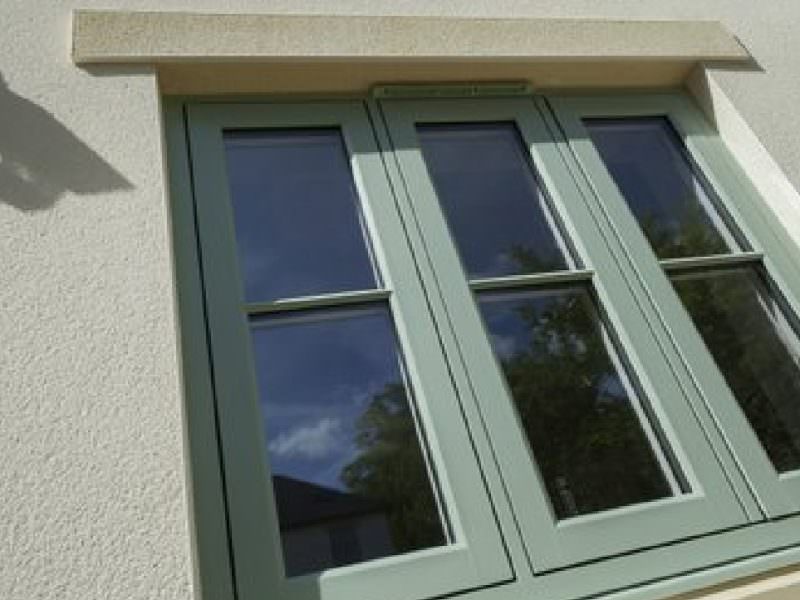
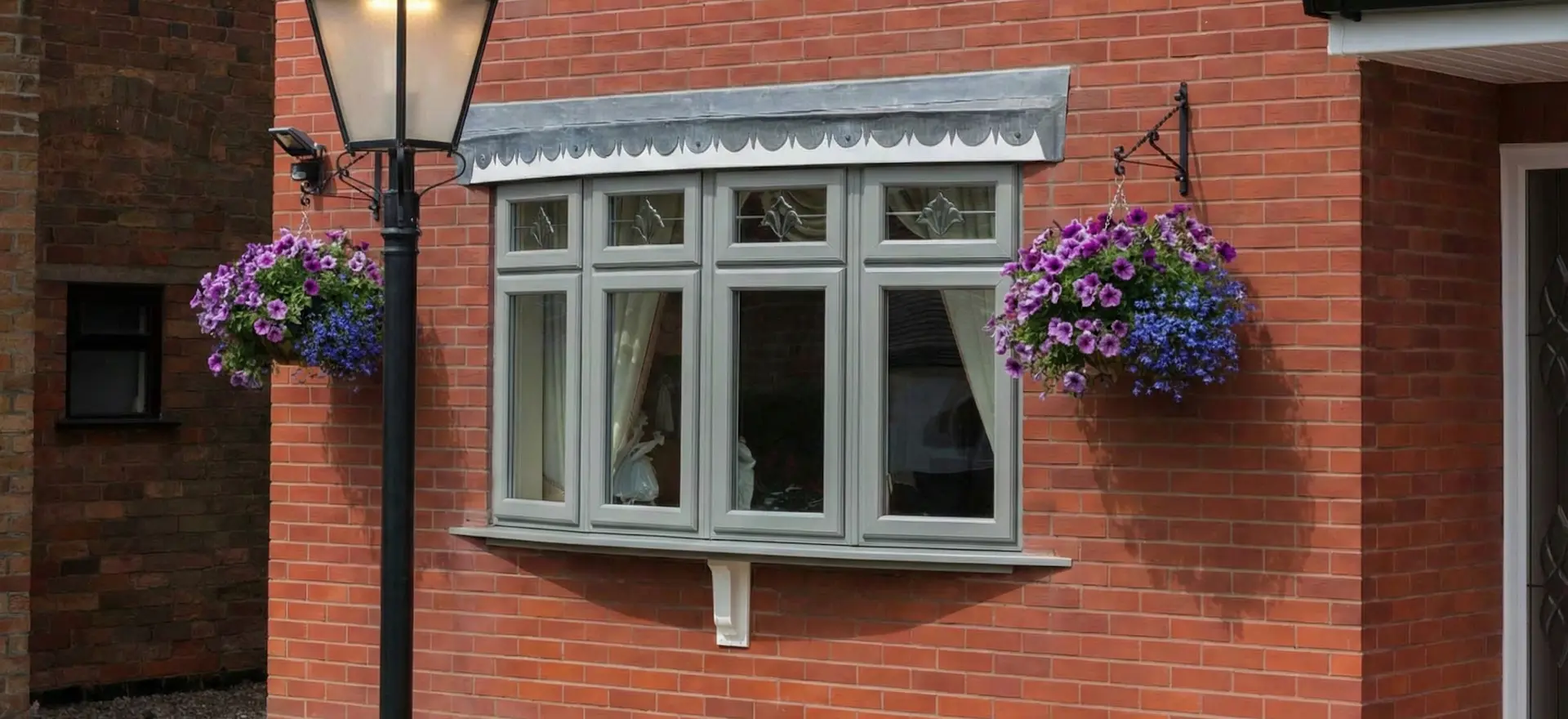
When comparing a flush casement vs standard casement windows, the difference is visual. Unlike protruding stormproof windows, the casement on a flush window remains completely flush with the frame when closed. It does not overlap. They are available as side openings and fanlight styles. Flush casements are currently incredibly popular for both modern builds and heritage properties due to their sleek, traditional timber-look lines.
Sliding Sash Windows
Often originally installed in the Georgian and Victorian eras, sliding sash windows are generally much deeper than they are wide. They operate securely by sliding one panel vertically behind another, rather than swinging outwards on a hinge.
Modern Tilt and Turn Windows
You may have noticed in Europe that a lot of windows open inwards. Tilt and turn windows are a modern-day example of this brilliant engineering. The handle can be turned to simply “tilt” the window inwards at the top for secure, draft-free ventilation, or turned further to open the entire window fully inwards like a door—making them incredibly easy to clean safely from the inside of an upper floor.
3. PVC, Aluminium or Timber Windows?
After selecting the architectural style that will either suit or enhance your property, you must select the manufacturing material.
uPVC windows have rapidly evolved over the last few years. Today we have examples of flush casements and stormproof windows that look exactly like timber, but without the long-term, arduous maintenance issues (such as the Beaumont and Residence 9 windows). Other recent manufacturing innovations include Graf-welded windows that offer the best, most seamless welded joint in the market today—perfect for wood-effect uPVC.
The internal profile system the window is manufactured from will also heavily affect the appearance of the finished product. At KJM, we offer numerous systems including Profile 22, Veka, and Deceuninck. (Personal note: My current favourite is the Deceuninck 2800 system—it’s one of the nicest sculptured windows on the market, though not all our customers would agree!)
Aluminium & Timber: Sometimes your house might just demand the ultra-slim, contemporary sightlines of modern architectural aluminium, or the authentic heritage feel of real timber. We have an extensive range of both to suit any property.
🏛️ Conservation Areas & Listed Buildings
If you are wondering “do I need planning permission for new windows?” the answer depends on your location. For standard homes, replacing windows is permitted. However, if your property is listed or located in a conservation area, changing your windows will likely require formal planning permission (Listed Building Consent). Sometimes, even just changing the design or the colour of the windows will require strict approval from your local authority. (Read our guide to Double Glazing for Listed Buildings here).
4. Window Decoration: Astragal Bars & Glass Colour
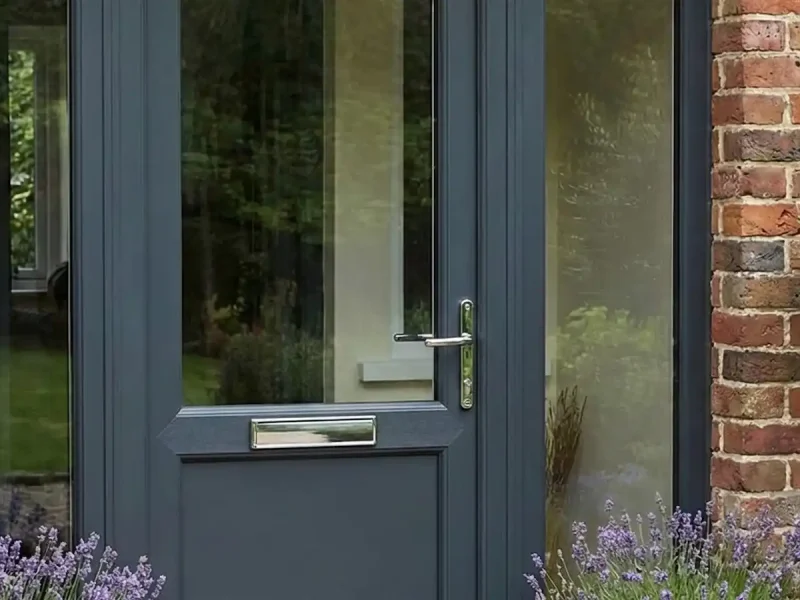
Windows no longer just have to be bright white. They can be wood-effect or vividly coloured. At the time of writing this article, we have recently installed windows in Agate Grey, Chartwell Green, and deep Navy Blue. The glass within the windows can also be heavily customised to match the era.
Leaded Windows
Leaded glass examples can be diamond, square, rectangular, or a highly specific period type (like Queen Anne, Windsor, or Jacobean lead). Lead sizes can also be specified, the normal being either 6mm or 9mm lead width. Other options include “weathered” or aged lead that has a darker, authentic historical appearance, or shiny lead that will gradually age and oxidise over time.
Georgian vs Astragal Bars
Understanding what is the difference between Georgian and Astragal bars is crucial for achieving the right authentic look:
- Georgian Bars: The modern type of Georgian window has the thin aluminium bars sealed completely inside the panes of double-glazed glass. This makes keeping the windows clean very easy as the external glass surface is totally smooth.
- Astragal Bars: An astragal bar system gives the highly authentic appearance of a traditional timber window physically divided into multiple individual panes. Unlike internal Georgian bars, astragal bars are physically fixed to the glass on the inside and outside. The sealed unit also has an internal spacer bar behind the grids that further enhances this authentic, segmented look.
5. Window Summary & Local Hampshire Showroom
As you can see, there are many different options available to you when choosing the right windows for your home.
Because we absolutely do not operate a hard-sell approach, we always recommend a visit to our extensive showroom in Andover, Hampshire to view your options in person. There are literally hundreds of combinations available to you. We will always do our best to advise on architectural suitability and building regulations; however, the final choice must suit both your own taste and your budget!
In this guide, we have just mentioned the look and design of the windows. After these visual options are considered, what glass should you go for… 28mm double or thick 44mm triple? Read my triple glazing blog here for the answers.
6. Frequently Asked Questions
Georgian bars are sealed internally between the two panes of glass, making the window incredibly easy to wipe clean. Astragal bars are physically stuck to the outside and inside surfaces of the glass to perfectly replicate the authentic look of a traditional timber window built from multiple smaller panes.
A flush casement is a window design where the opening sash sits completely level (flush) with the outer frame when closed, creating a smooth, flat exterior surface. This directly mimics traditional 19th-century timber window designs, unlike standard casements which overlap the frame.
For standard UK homes, replacing windows is generally covered under your Permitted Development rights. However, if your home is a Listed Building or located in a designated Conservation Area, you will usually require formal planning permission or Listed Building Consent before altering the style, layout, or material of the windows.
An egress window is a window specifically designed and sized to provide a safe means of escape in the event of a house fire. UK Building Regulations strictly dictate that habitable rooms (like bedrooms) must have an opening window large enough to escape through if the internal doors are blocked.
📚 Explore Our Window Guides
Ready to choose your new windows?
Visit our Andover showroom to explore hundreds of window styles, colours, and hardware options in person, without the pressure of a hard sell.
Contact KJM Group
Mark Pearce is a highly experienced specialist in the double glazing industry, having built his knowledge from the ground up through hands-on experience in installation, manufacturing, sales, and business management. Beyond his role at KJM, Mark is a keen blogger, writer, and traveller, often sharing insights on the latest innovations in the home improvement industry.
- Pilkington Launches Optitherm S3 Plus Triple Glazing Glass - 16 October 2026
- Comp Door Launches New 2026 Brochure Featuring ‘Total Black Out’ Frames - 11 September 2026
- Solidor launch five new doors - 21 August 2026