Timber - PVC - Aluminium - Windows, Doors & Conservatories in Hampshire
Energy efficient windows for your home
Energy efficient windows for your home
Category: Advice & Opinion
Reading Time: 9 Minutes
📌 The 2025 Snapshot
- Don’t Obsess Over Triple: A-Rated Double Glazing is still the “sweet spot” for most Hampshire homes.
- Material Matters: uPVC offers the best value-for-efficiency, but modern Aluminium with thermal breaks has closed the gap.
- Ventilation is Key: New windows are airtight. You must consider trickle vents to prevent stale air and mould.
- The Law: Building Regulations (Part L) have tightened. All replacements must now meet stricter U-Value targets.
With energy prices remaining high and winter inevitably coming around every year, replacing old, draughty windows remains one of the smartest investments you can make for your home.
But “Energy Efficiency” has become a buzzword filled with confusing jargon. Is Timber better than uPVC? Do you really need Triple Glazing? This guide cuts through the noise to help you choose the right windows for your property.
Table of Contents
1. How We Measure Efficiency (The Basics)
Before you buy, you need to know what you are looking at. We explain these in detail in our Technical Guide to U-Values, but here is the short version:
U-Value
Measures Heat Loss. Lower is better. A typical new double glazed window is around 1.2 W/m²K. Your old single glazing is likely 5.0+.
G-Value
Measures Solar Gain. How much free heat from the sun enters your room. You want a balance—high enough to heat in winter, low enough to stop overheating in summer.
2. Material Battle: uPVC vs Aluminium vs Timber
The frame material plays a huge role in the overall efficiency of the window. Here is how they stack up in 2025.
| Material | Insulation Rating | The Reality |
|---|---|---|
| Modern uPVC | ⭐⭐⭐⭐⭐ | The Efficiency King. Because plastic is a natural insulator and frames are multi-chambered, uPVC usually offers the best U-values for the lowest price. |
| Timber | ⭐⭐⭐⭐ | Naturally Warm. Wood is a fantastic natural insulator. However, it requires maintenance to ensure it doesn’t warp and let draughts in over time. |
| Aluminium | ⭐⭐⭐ | The Improver. Metal conducts cold. However, modern Aluminium windows use a “Polyamide Thermal Break” to stop this. They are now very efficient, but still slightly cooler to the touch than uPVC. |
For a detailed look at timber options, visit our Timber Windows page.
3. The Glass: Low-E, Argon & Warm Edge
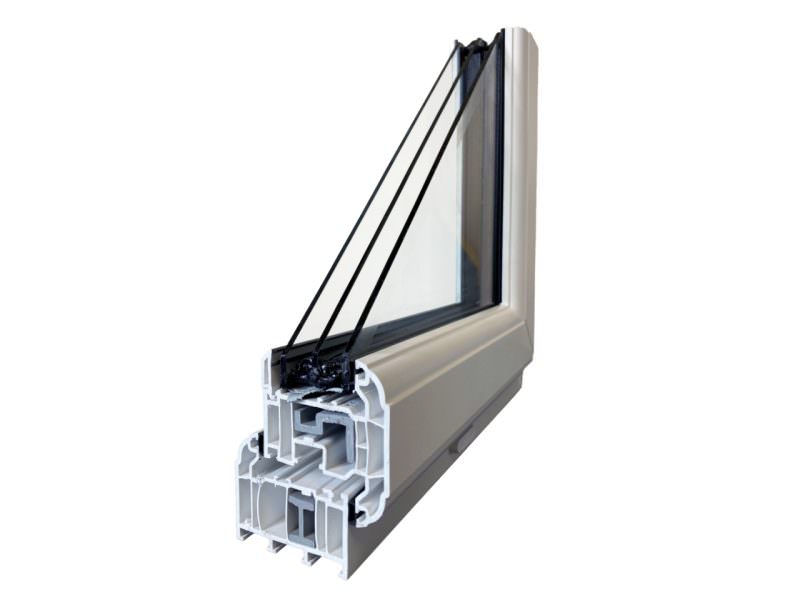
The frame is important, but the glass is 80% of the window. All KJM windows come with a high-specification glazing pack as standard.
- Low-E Coating: A microscopic coating on the inner pane that reflects heat back into your room, acting like a thermal mirror.
- Argon Gas: We fill the cavity between panes with Argon, which is denser than air and slows down heat transfer.
- Warm Edge Spacer Bars: Old windows used aluminium bars to separate the glass panes. We use composite “Warm Edge” spacers to stop the cold bridge at the edge of the unit.
⚠️ Should I Upgrade to Triple Glazing?
Triple glazing is more efficient, but not always cost-effective for every home in the South of England. It is fantastic for North-facing rooms, but can block free solar heat in South-facing rooms. Read our honest review: Is Triple Glazing Worth the Extra Money?
4. The Ventilation Paradox
This is the part nobody likes to talk about. Old windows were draughty, which ironically kept fresh air moving. New windows are airtight.
If you seal your house up tight without ventilation, you will get internal condensation and mould. This is why we almost always recommend Trickle Vents.
These small vents in the frame frame allow controlled background ventilation without compromising security or causing a draught. They are now a requirement under Part F of Building Regulations for most replacement projects.
5. Future-Proofing Your Home
Energy standards are only going one way: stricter. The “Future Homes Standard” is on the horizon.
By installing A-Rated or A+ Rated windows now, you are future-proofing your property’s EPC rating. This not only saves you money on bills today but makes your home more attractive to buyers if you decide to sell in the future.
6. Frequently Asked Questions
It depends entirely on what you are replacing. Replacing single glazing with A-rated double glazing can save hundreds of pounds a year. Replacing older double glazing will see a smaller, but still significant, improvement in comfort.
No! External condensation is actually proof your windows are working. It means the inner pane is keeping the heat inside so well that the outer pane is cold enough for dew to form. See our Condensation Guide for more.
As of recent Part L updates, replacement windows must generally achieve a U-value of 1.4 W/m²K or a WER Band B. All KJM standard windows meet or exceed this.