Timber - PVC - Aluminium - Windows, Doors & Conservatories in Hampshire
What is Secondary Glazing? Types, Benefits & Costs Explained
What is Secondary Glazing? Types, Benefits & Costs Explained
Living in a historic property or a highly noisy environment can often feel restrictive. Discover exactly how secondary glazing provides modern thermal and acoustic performance without altering the external character of your home.
Secondary glazing is a fully independent, internal window system professionally installed directly behind your existing primary window. Unlike traditional double glazing, it creates a highly effective “double window” effect without requiring the removal of your original exterior frames. Consequently, it represents the ideal architectural solution for properties located within conservation areas or strict Listed Buildings where external alterations are legally forbidden. Furthermore, by strategically incorporating a large air gap and acoustic glass, secondary glazing provides significantly superior soundproofing against heavy traffic noise compared to standard replacement windows.
🪟 The Definition
A highly discreet, slimline internal window professionally installed completely behind your existing primary window structure.
🛡️ The Core Benefit
It reliably provides modern thermal insulation and exceptional acoustic performance while perfectly preserving the historical exterior character of the building.
🏛️ The Ideal Usage
This system proves absolutely essential for Grade-Listed Buildings, restricted conservation areas, or urban properties suffering from severe external noise pollution.
Page Contents
Living in a stunning Listed Building in Winchester or a highly noisy urban flat in Andover can occasionally feel quite restrictive. Consequently, you might wrongly believe you cannot possibly upgrade your old, freezing single-glazed windows due to stringent local planning rules. Alternatively, perhaps you simply prefer not to forcefully rip out your beautiful, original timber frames.
Therefore, Secondary Glazing provides the perfect, non-intrusive solution. Indeed, it remains the unsung hero of the UK glazing industry—a high-performance architectural solution that sits quietly on the inside, effectively keeping the expensive heat in and the disruptive noise out.
1. What Exactly is Secondary Glazing?
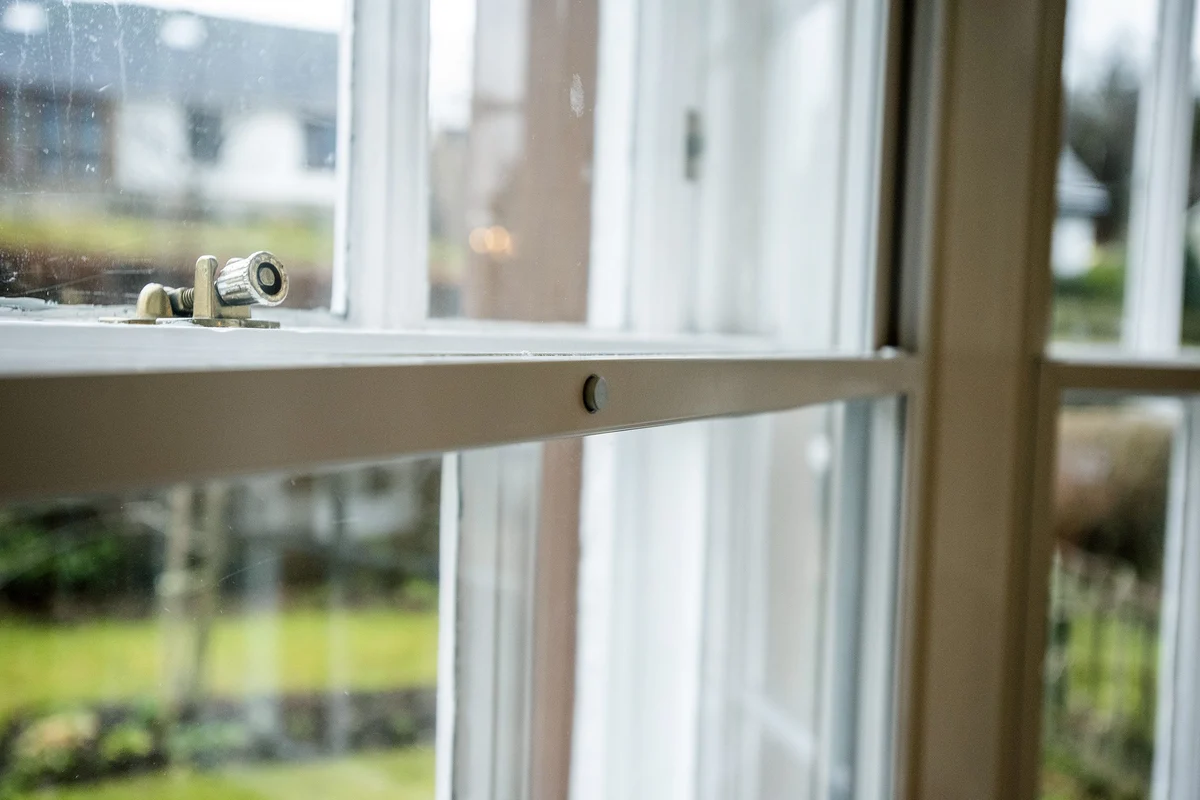
Unlike standard double glazing, which necessarily involves completely replacing the entire original window unit (both the outer frame and the glass), secondary glazing represents a fully independent window system. Specifically, installers fit this discrete unit firmly on the room side of your existing primary window.
Ultimately, it intelligently creates a robust “double window” effect. The original external window remains completely untouched, seamlessly preserving the kerb appeal and historic fabric of the property. Furthermore, manufacturers usually craft the new internal frame from highly slimline aluminium, which is incredibly durable, exceptionally lightweight, and completely customisable to perfectly match your interior colour decor.
2. Interactive Tool: Find Your Perfect Style
Crucially, one specific style certainly does not fit all. To successfully ensure your windows still fully open and function correctly, you must choose the appropriate mechanical style. Simply answer the question below, and our logic engine will instantly recommend the correct framework for your home.
3. The 4 Main Styles Explained
Based on your specific property requirements, here are the four primary mechanical styles we expertly install at KJM Group.
Mechanical Opening Styles
1. Vertical Sliders
Best Suited For
Traditional Victorian or Georgian Sash Windows.
How They Work
These units smoothly slide up and down, perfectly matching the natural movement of your original sash window. Installers precisely align the meeting rails so the secondary frame remains virtually invisible from the outside kerb.
2. Horizontal Sliders
Best Suited For
Standard modern casement windows or very wide architectural openings.
How They Work
Two or more robust glass panels gently slide left and right on engineered tracks. This represents the absolute most versatile option for general windows and easily allows clear access for necessary cleaning.
3. Hinged Units
Best Suited For
Crucial fire escapes, large clear openings, or patio doors.
How They Work
You can easily open the entire unit inwards exactly like a standard door on side or top hinges. Consequently, this provides 100% clear, unimpeded access to the outer window, making it absolutely essential for safe fire egress routes.
4. Lift-Out Units
Best Suited For
Decorative windows or glazing that you genuinely rarely or never open.
How They Work
This features a highly simple, fixed panel that completely lifts out of the internal frame. It reliably offers the tightest physical seal (making it excellent for budget economy) but undeniably proves heavier to physically remove for regular cleaning.
4. Why Choose It Over Full Replacement?
🏛️ Preserving Heritage & Planning
For official Grade I and Grade II listed buildings across the UK, permanently replacing original timber windows is frequently forbidden by local councils. However, Historic England officially classes secondary glazing as a highly favoured “reversible alteration.” This legal distinction means it rarely requires formal Listed Building Consent. Furthermore, Historic England Gov.uk provides specific, authoritative guidance explicitly confirming it as a preferred method for improving essential energy efficiency in historic residential homes.
🔇 Achieving Superior Soundproofing
Ideally, to achieve maximum soundproofing, you must construct a significantly large physical gap between the panes of glass. While standard modern double glazing features a relatively small gap of just 16mm-20mm, we can expertly install secondary glazing 100mm+ away from the primary window. This exceptionally large air cavity effectively “decouples” the two glass panes, successfully stopping aggressive sound waves from physically travelling through the structure.
🔥 Maximising Thermal Efficiency
This installation method fundamentally eliminates the freezing draughts that notoriously rattle through old sash windows. By seamlessly creating a tightly sealed pocket of stationary air, it can successfully reduce total heat loss through the window by an impressive 65%, subsequently lowering your expensive winter energy bills.
5. Glass Options: Thermal vs. Acoustic
Exactly like purchasing primary windows, you can specifically choose the technical glass specification to perfectly suit your exact environmental needs:
- Standard Clear Glass: A highly economical choice proving excellent for general draught-proofing and basic heat retention.
- Stadip Silence (Acoustic Glass): A highly specialised laminated glass uniquely featuring a hidden acoustic interlayer. This remains absolutely essential if you currently live on a busy main road or directly near an airport.
- Low-E Coating Glass: This technically advanced glass features an invisible metallic coating intelligently designed to actively reflect central heating back into the room, thereby successfully maximising thermal retention.
6. How Much Does it Cost?
Because secondary glazing effectively utilises a highly slimline aluminium frame rather than a bulky, heavy-duty structural uPVC frame, it generally proves significantly more affordable than arranging a full window replacement.
However, the final installation price varies notably based on the precise mechanical opening style you require. Please review this general hierarchy of structural costs to expertly help you plan your upcoming budget:
| Structural Style | Relative Cost | Engineering Explanation |
|---|---|---|
| Lift-Out Unit | £ (Lowest) | Features a highly simple architectural design with absolutely no moving mechanical parts. It proves completely ideal for tight budget projects. |
| Horizontal Slider | ££ (Medium) | Necessitates installing running tracks and durable rollers, yet it remains a highly standard manufacturing process. |
| Hinged Unit | ££ (Medium) | Requires robust compression seals and heavy-duty hinges, although it typically features a single, uninterrupted pane of glass. |
| Vertical Slider | £££ (Highest) | Demands a highly complex, internal spiral balance mechanism precisely engineered to hold the heavy window open safely (acting as a counter-weight). |
While specifying premium Acoustic Glass (Stadip Silence) will naturally increase the initial unit cost, it dependably provides a truly massive performance upgrade. Ultimately, this upgrade proves considerably cheaper and easier than physically moving house to successfully escape the noise!
7. Frequently Asked Questions
Yes, it operates very effectively. By flawlessly creating a secure internal seal, it successfully prevents the warm, moist air inside your home from physically hitting the freezing cold single-glazed outer window. Consequently, this actively stops annoying water droplets from heavily forming on the glass.
Absolutely. We expertly design the internal secondary system to mechanically match your primary exterior window. For instance, if you currently possess a sliding sash, we meticulously fit a sliding secondary unit. You simply slide the inner pane up, and then push the outer pane up, to comfortably receive fresh ventilation.
If correctly installed with a 100mm+ internal air gap and premium acoustic glass, secondary glazing can remarkably reduce external noise by well over 50 decibels. To put that technical statistic firmly in perspective, standard modern double glazing typically only reduces noise by approximately 30 to 35 decibels.
📚 Explore Our Secondary Glazing Hub
Now you firmly understand the basics, dive significantly deeper into the specific benefits highly relevant to your home:
Ready to Upgrade Your Home?
If you genuinely want to securely trap heat and actively block external noise without altering your property’s exterior, we can expertly help. KJM Group securely manages fully compliant installations across Hampshire.
Contact KJM for a Free Consultation
Mark Pearce is a highly experienced specialist in the double glazing industry, having built his knowledge from the ground up through hands-on experience in installation, manufacturing, sales, and business management. Beyond his role at KJM, Mark is a keen blogger, writer, and traveller, often sharing insights on the latest innovations in the home improvement industry.
- Pilkington Launches Optitherm S3 Plus Triple Glazing Glass - 16 October 2026
- Comp Door Launches New 2026 Brochure Featuring ‘Total Black Out’ Frames - 11 September 2026
- Solidor launch five new doors - 21 August 2026