Timber - PVC - Aluminium - Windows, Doors & Conservatories in Hampshire
The Ultimate Guide to uPVC Windows: Benefits, Costs & Styles
The Ultimate Guide to uPVC Windows: Benefits, Costs & Styles
Are you seriously thinking of upgrading your home’s glazing? We expertly explain absolutely everything you need to know about modern uPVC windows—from advanced thermal efficiency and multi-point security to the real 20-year financial cost when directly compared to timber.
Are you wondering if modern uPVC windows are the right choice for your UK home? Today’s advanced uPVC frames offer incredible thermal efficiency with A-rated insulation, multi-point high-security locking, and a lifespan of over 30 years. Best of all, they remain virtually maintenance-free and are significantly more cost-effective to install than premium aluminium or timber alternatives.
If you are currently looking to entirely replace your failing windows in Hampshire, uPVC is incredibly likely right at the top of your research shortlist. It is undeniably the most popular window material in the entire UK, but it unfortunately often heavily suffers from a deeply outdated, unfair reputation of simply being “cheap white plastic.”
However, the architectural reality in 2026 is vastly different. Highly advanced, modern uPVC is a premium, high-tech engineering material readily available in stunning authentic timber-effect finishes, elegant flush profiles, and highly eco-friendly, multi-chambered recycled cores.
🛡️ The New Structural Standard
Modern architectural uPVC is incredibly rigid, entirely UV-stable to prevent yellowing, and brilliantly recyclable up to exactly 10 times.
🔥 Unbeatable Thermal Hero
Intelligent multi-chambered internal profiles physically act as a massive thermal barrier, effortlessly achieving phenomenal A++ energy ratings.
🧹 Absolute Zero Maintenance
Unlike traditional timber, premium uPVC absolutely never rots, warps, or requires exhausting painting—it simply needs a quick wipe down.
💰 Highly Cost Effective
It reliably remains approximately 30-50% significantly cheaper to completely install than equivalent premium aluminium or hardwood timber alternatives.
Page Contents
- 1. Exactly What is uPVC? (The Thermal Science)
- 2. Pros & Cons: The Honest Breakdown
- 3. The 4 Main uPVC Window Styles Showcase
- 4. Material Battle: uPVC vs Aluminium vs Timber
- 5. UK uPVC Window Costs Explained
- 6. Sustainability & Environmental Impact
- 7. Decision Matrix: Is uPVC Genuinely Right for You?
- 8. Frequently Asked Questions
1. Exactly What is uPVC? (The Thermal Science)
uPVC officially stands for Unplasticised Polyvinyl Chloride. The “Unplasticised” element of the name is absolutely crucial—it explicitly means absolutely no softening chemicals (plasticisers) are artificially added during manufacturing. Consequently, this strict process directly results in a highly robust material that is:
- Incredibly Rigid & Strong: Easily capable of securely holding incredibly heavy, large triple-glazed glass units without structural bowing.
- Totally UV Stable: Highly advanced modern chemical formulas expertly contain powerful stabilisers (specifically Titanium Dioxide) to permanently prevent the unsightly “yellowing” frequently seen in cheap 1980s installations.
- Multi-Chambered Cores: If you physically cut a modern frame directly in half, you would instantly see a complex honeycomb structural pattern. These tiny internal chambers brilliantly trap still air, acting as a massive, natural thermal barrier against expensive winter heat loss.
2. Pros & Cons: The Honest Breakdown
Before you confidently commit to a massive home renovation, here is the entirely balanced, transparent view of exactly what uPVC effectively delivers (and precisely what it doesn’t).
- Thermal Efficiency: Naturally non-conductive plastic frames successfully prevent freezing cold bridging.
- Zero Maintenance: It absolutely never needs tedious painting, sanding, or expensive varnishing.
- Extreme Durability: Totally rot, rust, and salt-spray resistant (absolutely ideal for harsh coastal homes).
- Elite Security: Heavily reinforced internally with galvanized steel and fully compatible with PAS24 multi-point hook locking.
- Cost Savings: Significantly more affordable upfront than incredibly expensive architectural aluminium.
- Thicker Frames: Standard profiles are generally slightly bulkier than premium Aluminium (which offers ultra-slim sightlines).
- Aesthetic Limits: While beautiful coloured foils readily exist, it ultimately lacks the genuine tactile feel of real, grainy timber.
- Structural Limits: It is not inherently suitable for massive, commercial-sized glass walls without heavy mullion coupling.
- Planning Perception: It is frustratingly still viewed by some incredibly strict planning officers as less “premium” for heavily protected Grade II listed renovations.
3. The 4 Main uPVC Window Styles Showcase
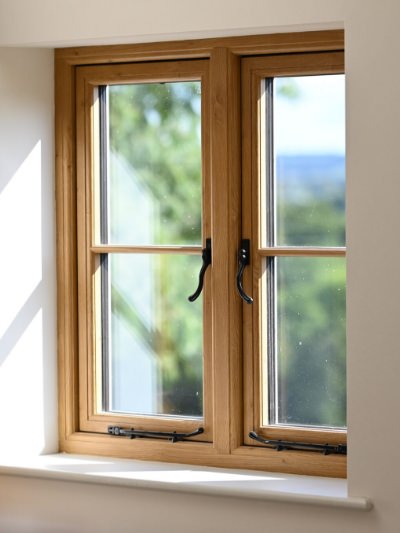
Modern uPVC is incredibly adaptable. At KJM Group, we expertly fabricate it into several highly distinct architectural styles to perfectly suit both ultra-modern extensions and traditional countryside properties.
1. Standard Casement Windows
The definitive UK classic. Securely hinged at the vertical side or top, easily opening outwards. Incredibly simple, highly secure, and undeniably the most highly cost-effective glazing option available on the modern market.
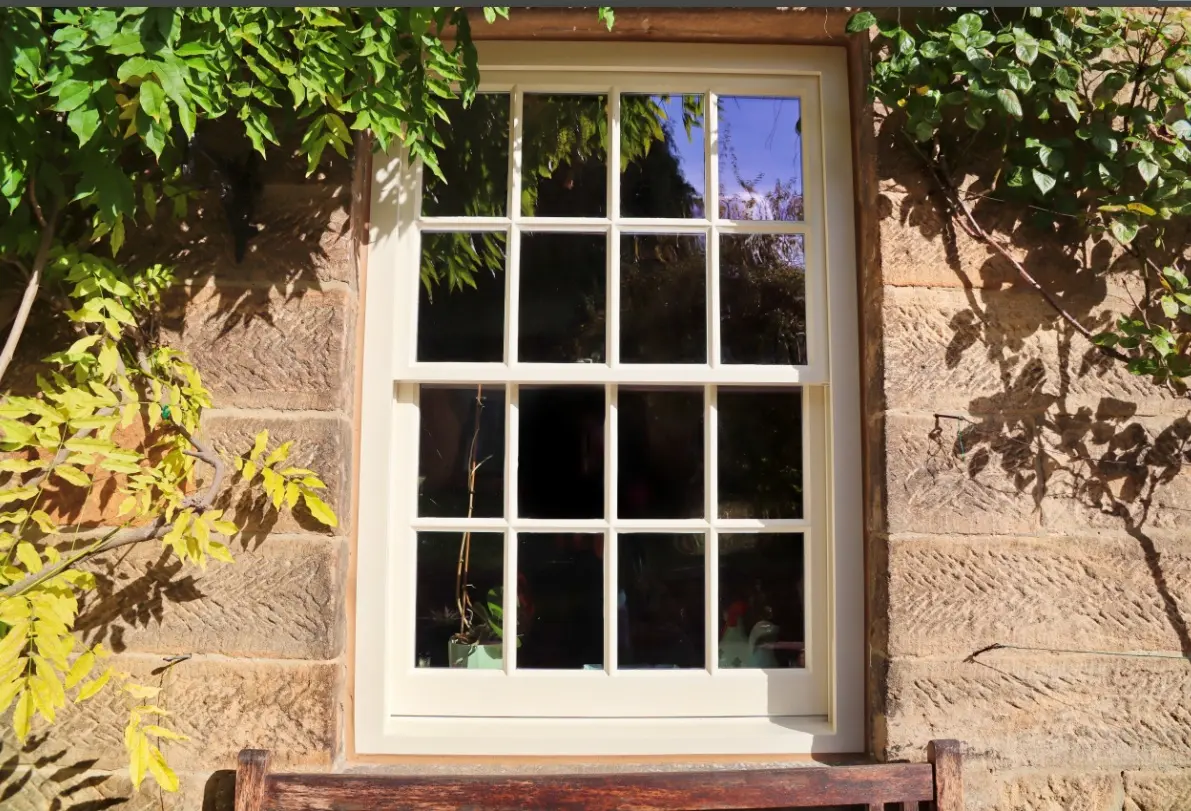
2. Heritage Sliding Sash
Meticulously designed specifically for grand Victorian and Edwardian homes. These incredibly elegant vertical sliding panels are engineered completely with highly authentic heritage details exactly like run-through sash horns and mechanical joints.
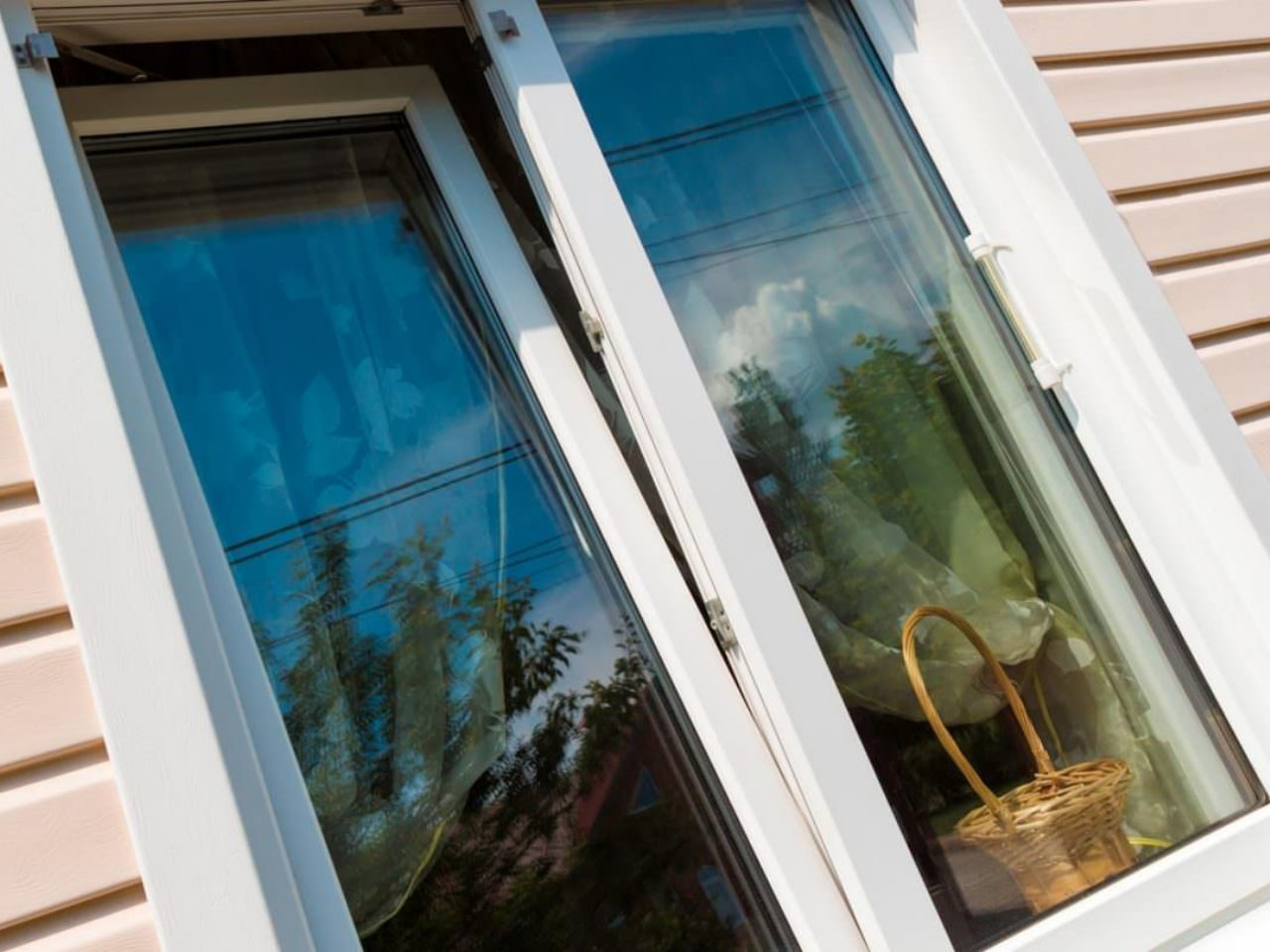
3. European Tilt & Turn
The highly functional European style. Turn the main handle to securely tilt the window inwards directly from the top for safe, continuous ventilation. Alternatively, turn the handle fully and it magically swings wide open inwards for incredibly easy, safe cleaning on upper apartment floors.
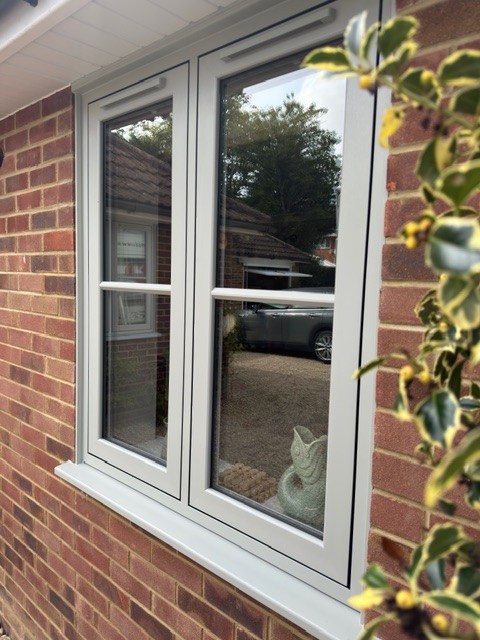
4. Architectural Flush Sash
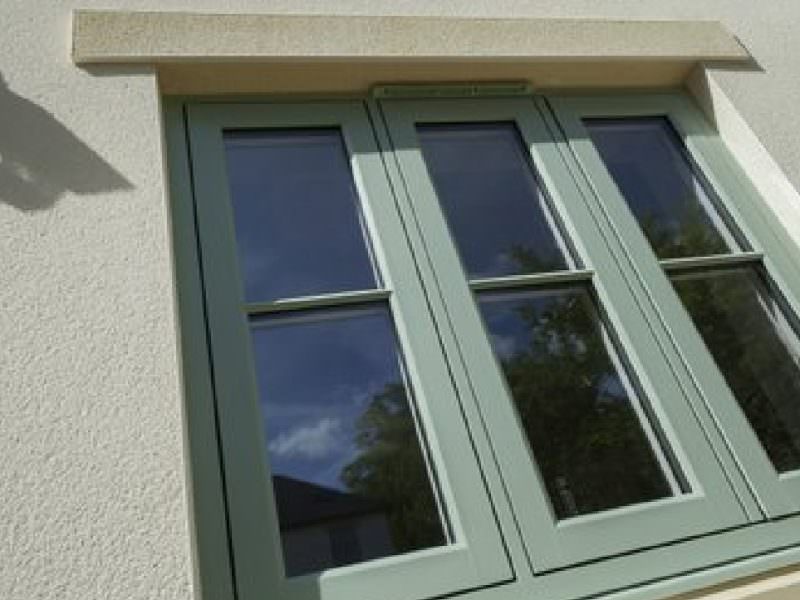
The highly architectural outer frame and inner sash sit entirely flush (totally flat) when completely closed, brilliantly mimicking traditional 19th-century joinery. This is an absolute massive favourite for strict modern conservation areas.
4. Material Battle: uPVC vs Aluminium vs Timber
Exactly how does modern uPVC truly stack up against the highly expensive premium competition in the 2026 market?
| Crucial Feature | Modern uPVC | Aluminium | Hardwood Timber |
|---|---|---|---|
| Capital Cost Index | £ (Highly Affordable) | £££ (Expensive) | ££££ (Ultra-Premium) |
| Required Maintenance | Virtually Zero | Incredibly Low | Very High (Regular Painting) |
| Thermal Insulation | Absolutely Excellent | Good (Strictly Needs Thermal Break) | Excellent (Natural Insulator) |
| Expected Lifespan | 25-35+ Years | 40+ Years | 50+ Years (If Maintained) |
5. UK uPVC Window Costs Explained
The total final cost of uPVC window replacement in the UK varies massively based entirely on your chosen style, glass specifications (like acoustic glazing), and especially the final finish (coloured foils). Please strictly note: These are highly approximate estimates fully including VAT and professional FENSA installation.
| Window Style | Standard White Cost | Coloured Foil Cost (+20%) |
|---|---|---|
| Standard Side-Hung Casement | £400 – £750 | £500 – £950 |
| European Tilt and Turn | £550 – £900 | £700 – £1,150 |
| Heritage Sliding Sash | Approximately £1,650 | £1,750+ |
| Architectural Flush Sash | £600 – £950 | £750 – £1,200 |
6. Sustainability & Environmental Impact
Standard plastic incredibly often gets a terrible, highly damaging reputation, but uPVC physically utilized in the UK construction industry is undeniably a massive, highly sustainable success story.
Crucially, window uPVC is absolutely not a single-use plastic. It can miraculously be melted down and cleanly recycled up to 10 entire times totally without losing any rigid structural integrity. This beautifully gives the core material a phenomenal total effective lifespan of well over 300 years.
At KJM Group, we rigorously ensure all old, failing frames safely removed from your Hampshire home are instantly sent for specialist recycling, where they are chipped, melted, and cleanly extruded directly into brand new products (incredibly often forming the hidden internal thermal cores of brand new windows), beautifully closing the environmental loop.
7. Decision Matrix: Is uPVC Genuinely Right for You?
Use our incredibly quick decision tool to instantly see if uPVC perfectly fits your exact property profile:
| Your Exact Property Type | Our Expert Recommendation |
|---|---|
| 1980s – 2000s Modern Home / Estate | ✅ Standard uPVC Casement An absolutely perfect architectural match for the existing style, representing a highly cost-effective thermal upgrade. |
| Period Cottage / Strict Conservation Area | ✅ Flush Sash uPVC (Foiled Finish) It beautifully mimics authentic timber perfectly without the exhausting, expensive annual maintenance. |
| Grand Design / Minimalist Modern Extension | ❌ Heavily Consider Aluminium If you desperately want incredibly huge glass panes and ultra-thin architectural frames, Aluminium is physically vastly stronger. |
| Harsh Coastal Property | ✅ uPVC is Absolutely Ideal Heavy salt air rapidly rots timber and can aggressively corrode cheap aluminium. Thick uPVC is completely impervious to salt. |
8. Frequently Asked Questions
Absolutely not anymore. Highly modern, premium uPVC profiles contain specific, highly advanced UV chemical stabilisers (exactly like Titanium Dioxide) that permanently prevent solar discolouration. Very cheap, terrible imports from 20 years ago certainly did yellow, but KJM’s premium UK profiles confidently stay brilliant white for decades.
Yes, absolutely! You are definitively not stuck with basic white. We beautifully offer Anthracite Grey, elegant Chartwell Green, Jet Black, and incredibly realistic timber effects exactly like Golden Oak and Rosewood. These are specialized “foiled” finishes that are thermally bonded directly to the plastic frame and are extremely durable against scratches.
A highly professional, FENSA-approved installation will easily last between 20 and 35 entire years. The internal glass units (the sealed double-glazed units) may naturally need replacing slightly sooner (around 15-20 years depending heavily on extreme weather exposure), but the thick uPVC frames themselves are incredibly, structurally durable.
Yes. If you are currently replacing totally failing, draughty older windows, the massive leap to strict A-rated thermal efficiency will instantly, noticeably slash your exorbitant winter heating bills. Furthermore, it will completely eradicate internal damp and immediately boost your property’s kerb appeal and overall EPC valuation score.
📚 Explore Our Window Knowledge Hub
We strongly believe an educated homeowner makes the absolute best structural decisions. Explore our highly transparent buying guides below:
Ready to Upgrade Your Windows?
If your old timber windows are visibly rotting, or your cheap, early-generation uPVC is aggressively letting the freezing winter cold in, we can expertly help. KJM Group rigorously installs high-performance, fully FENSA compliant windows entirely across Hampshire.
Contact KJM for a Free Quote
Mark Pearce is a highly experienced specialist in the double glazing industry, having built his knowledge from the ground up through hands-on experience in installation, manufacturing, sales, and business management. Beyond his role at KJM, Mark is a keen blogger, writer, and traveller, often sharing insights on the latest innovations in the home improvement industry.
- Comp Door Launches New 2026 Brochure Featuring ‘Total Black Out’ Frames - 11 September 2026
- Solidor launch five new doors - 21 August 2026
- KJM Group Wins Which? Trusted Trader of the Month (Aug 2026) - 4 August 2026