Timber - PVC - Aluminium - Windows, Doors & Conservatories in Hampshire
Why Maintain Wooden Windows for Heritage Homes
Why Maintain Wooden Windows for Heritage Homes
A definitive guide to successfully maintaining, reliably restoring, and efficiently upgrading original wooden windows in beautiful Hampshire properties. Includes essential expert advice on handling aggressive wet rot and navigating strict conservation laws.
More than forty percent of elegant Hampshire homes rely on traditional British wooden windows. Consequently, smart, highly proactive upkeep is absolutely crucial for ensuring both thermal comfort and striking kerb appeal. Ultimately, meticulously maintaining these unique architectural features not only dramatically lowers your winter energy bills, but it also securely safeguards the authentic heritage value cherished by communities from Winchester to Romsey.
🏛️ Heritage Importance
Traditional sash and casement windows are genuinely essential to the unique architectural history of historic UK homes. Specifically, they provide authentic visual sightlines that modern welded plastics frequently fail to match.
🌲 Material Matters
Premium Oak, engineered Pine, and highly durable Douglas Fir remain the absolute gold standards for accurate British heritage restoration and long-term durability.
⚖️ Legal Check Required
You must comprehensively understand “Article 4 Directions” before initiating any external changes. Furthermore, learning exactly when to use targeted splice repairs instead of demanding full replacements will actively save you thousands of pounds.
Page Contents
1. Wooden Windows in British Homes Explained
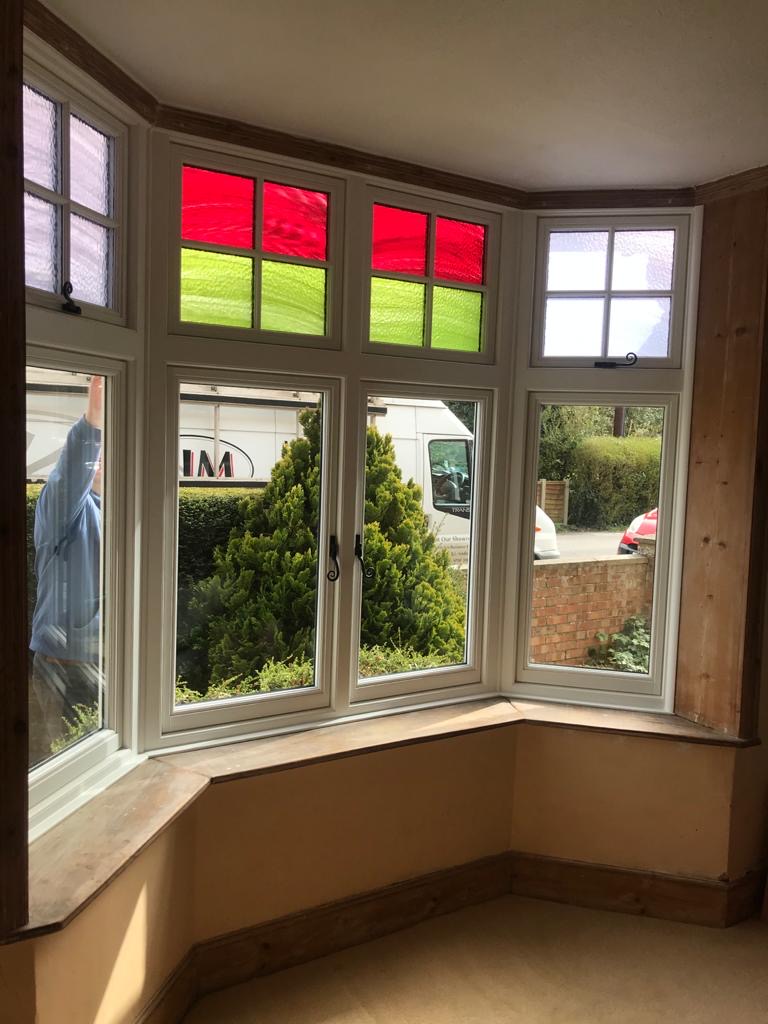
Traditional wooden windows have proudly served as a defining hallmark of British architectural heritage for centuries. Unlike cheap, modern uPVC which is rapidly extruded in a mass factory, authentic heritage timber windows were painstakingly hand-crafted. Furthermore, they frequently utilized incredibly strong local wood sources that had slowly seasoned over decades. Ultimately, this makes them far more than mere functional elements; they are widely considered the very “eyes” of the historic building.
However, wood is inherently a natural, highly active material that constantly “breathes.” It naturally expands during remarkably wet British winters and shrinks slightly during dry summer months. Consequently, if the vital protective paint seal is broken by minor damage, moisture aggressively enters the grain. This doesn’t just cause ugly, flaking paint; it eventually leads directly to devastating wet rot. When this occurs, the timber becomes incredibly soft and noticeably spongy, completely compromising the fundamental structural integrity of the entire frame.
2. Types of Timber Windows and Key Features
The meticulous selection of structural timber is absolutely crucial in determining overall window performance and long-term longevity. While modern, high-volume joinery often uses cheap, fast-growing softwoods, true heritage restoration relies heavily on specific, highly durable species.
| Timber Type | Natural Durability | Typical Era | Best Use Case |
|---|---|---|---|
| European Oak | Very High | Pre-1900 | Heavy grand entrances and massive structural frames. |
| Scots Pine | Moderate | Victorian / Edwardian | Standard, lightweight sash windows (requires a regular painting schedule). |
| Douglas Fir | High | Late Victorian | Large, expansive frames requiring immense structural strength. |
| Accoya (Modern) | Extreme | 21st Century Innovation | The absolute, undeniable gold standard for modern heritage replacements. |
3. Repair vs. Replace: The Decision Matrix
One of the absolute biggest, most stressful dilemmas heritage homeowners face is whether they should fight to save the old window or simply buy a new one. Indeed, it isn’t always a remarkably simple choice.
- Repair (Splice & Fill): If the aggressive rot is highly localized (e.g., just isolated to the bottom sill or a small corner joint), a skilled joiner can cleanly cut out the bad wood. Subsequently, they “splice” in new, heavily seasoned timber. This clever method expertly retains 90% of the original historical fabric and is highly favored by strict Conservation Officers.
- Refurbish (Draft Proof & Reglaze): If the solid wood remains completely sound but the window annoyingly rattles or feels exceptionally cold, you simply don’t need entirely new windows. A professional refurbishment service can precisely rout out the existing frame to install modern draught seals and potentially fit ultra-slimline vacuum double glazing.
- Replace (Like-for-Like): Conversely, if the main structural joints have completely failed or more than 30% of the core timber is rotten, a full replacement is undeniably safer. However, this must absolutely be an exact, bespoke replica—flawlessly matching the “sightlines” (width of the glass) and complex “horns” (decorative details) of the original.
4. Interactive: Heritage Window Analyser
Are you currently struggling to decipher exactly what the complex planning laws dictate for your specific home? Use our quick interactive selector below. Consequently, we will instantly outline the most legally sound architectural strategy for your upcoming renovation.
5. Heritage Value and Legal Compliance
Properly maintaining wooden windows in established heritage properties involves carefully navigating a highly complex landscape of legal requirements. Furthermore, it is a very common, highly dangerous myth that you only need permission if you live in a Grade II Listed building. If you currently reside in one of Hampshire’s historic market towns, you may be severely affected by significantly stricter, localized rules.
⚠️ Understanding “Article 4 Directions”
In many historic towns like Alresford, Stockbridge, or Romsey, the local council may have formally applied a strict Article 4 Direction. Essentially, this incredibly powerful legal order actively removes your standard “Permitted Development” rights. This specifically means you cannot legally replace front-facing windows—even if they are dangerously rotting—without acquiring planning permission first, unless the new frames are 100% identical in both appearance and exact material.
Replacing an original timber sash with a standard, cheap uPVC window in these protected areas is technically a criminal offence. Ultimately, this can easily lead to aggressive enforcement action, legally forcing you to physically rip out the new plastic windows and painstakingly reinstate timber ones entirely at your own massive expense.
6. Frequently Asked Questions
An Article 4 Direction is a highly specific planning regulation utilized by local councils in designated Conservation Areas (like Alresford or Stockbridge). Consequently, it legally removes your standard ‘permitted development’ rights, dictating that you absolutely cannot replace windows—even with like-for-like timber—without officially obtaining planning permission first.
Generally, no. Standard modern double glazing (which is usually 24mm+ thick) is rarely permitted in strictly Grade II listed buildings. This is because the massive thickness of the glass unit forcibly alters the delicate glazing bar profile, completely ruining the historic aesthetic. However, ultra-slim vacuum glazing (just 6mm thick) or internal secondary glazing are frequently approved, highly efficient alternatives. For more details on the nuances of historic glazing, we highly recommend consulting Historic England’s official window guide Historic England.
In the highly variable UK climate, south-facing windows (which are heavily exposed to intense UV rays and driving rain) usually demand repainting every 5–7 years. Conversely, sheltered north-facing ones may comfortably last up to 10 years. We strongly recommend actively inspecting them annually for tiny hairline cracks in the paint, which are inherently the very first indicator that protective maintenance is urgently needed.
If comfortably less than 20% of the total timber is affected (for example, just the exterior sill is soft), a professional splice repair is undoubtedly the most cost-effective and heritage-friendly option. However, if the destructive rot has deeply affected the structural joints (tenons), full replacement is definitively the safer choice.
📚 The Transparency Hub
We believe an educated customer logically makes the absolute best decisions. Explore our fully transparent buying guides below:
Preserve the Historic Charm of Your Heritage Home
Discover precisely how KJM Group can support your rigorous window maintenance and complex installation needs. Whether you desperately require expert architectural advice on sourcing authentic hardwood replacements, or you are carefully exploring strict conservation-approved timber alternatives, we are here to help.
Contact KJM for a Heritage Consultation
Mark Pearce is a highly experienced specialist in the double glazing industry, having built his knowledge from the ground up through hands-on experience in installation, manufacturing, sales, and business management. Beyond his role at KJM, Mark is a keen blogger, writer, and traveller, often sharing insights on the latest innovations in the home improvement industry.
- Pilkington Launches Optitherm S3 Plus Triple Glazing Glass - 16 October 2026
- Comp Door Launches New 2026 Brochure Featuring ‘Total Black Out’ Frames - 11 September 2026
- Solidor launch five new doors - 21 August 2026