Timber - PVC - Aluminium - Windows, Doors & Conservatories in Hampshire
Why Over-Cladding a Conservatory Roof is Dangerous: A Critical Warning for Homeowners
Why Over-Cladding a Conservatory Roof is Dangerous: A Critical Warning for Homeowners
Don’t fall for the ‘cheap’ roof upgrade. We expose the structural dangers, condensation traps, and fire risks of internal cladding.
It sounds like the perfect solution: transform your freezing conservatory into a warm room quickly and cheaply by simply wrapping the existing roof in insulation and tiles (often called a “wrap-over” or “clad-over”). However, what many “cowboy” installers fail to tell you is that the dangers of over cladding a conservatory roof are immense. This method is structurally dangerous, thermally flawed, and potentially illegal. Consequently, it creates severe interstitial condensation, rots the timber frames, and completely voids your warranty. Ultimately, you must remove the entire old roof and install a fully compliant structural system.
Introduction: The Cheap Fix Illusion
We receive desperate phone calls every single month. Indeed, at KJM Group, we spend a significant amount of our time actively replacing failed cladding systems that have caused catastrophic leaks, cracked plaster, and rotting window frames.
Finding a genuinely compliant conservatory roof replacement in Hampshire requires understanding the physics of your home. If an installer promises to simply “insulate and clad over” your existing glass or polycarbonate roof, you are putting your property at massive financial and structural risk.
Page Contents
1. The Physics of Failure: Interstitial Condensation
If you are researching conservatory roof condensation problems, you must understand that the biggest enemy of a clad-over roof is entirely invisible. Specifically, it is a scientific process called Interstitial Condensation.
When an installer bolts thick insulation directly over an existing glass or polycarbonate roof, they physically trap the original roof structure inside the new layers. Consequently, warm, moist air from your home rises into the newly created ceiling void. When that moisture eventually hits the freezing cold surface of the old aluminium bars or glass (which is now buried deep inside the roof), it instantly turns into liquid water.
💧 The “Sweating Roof” Effect
Imagine wearing a plastic raincoat over a thick wool jumper while running. Your body heat (the house) creates moisture that passes through the wool (the insulation) but inevitably hits the cold plastic (the old roof). Because the moisture cannot escape, it turns to water, thoroughly soaking the wool.
This is exactly what happens in a clad-over roof. Therefore, this trapped water rapidly rots the new timber battens and causes black mould to bleed through your brand new plastered ceiling.
Because the roof is now completely sealed up, this water has absolutely nowhere to go. It simply sits there, soaking into the timber framework. Over a period of months and years, this hidden moisture causes:
- Dry Rot & Wet Rot actively destroying the structural timber frame.
- Toxic Mould Growth visibly spreading across your interior ceiling.
- Severe Electrical Failures if the pooled water tracks down into your new spotlight fittings.
2. The Structural Weight Risk
Your original conservatory was highly engineered to hold lightweight plastic or glass. Furthermore, it was likely built on very shallow foundations and utilised standard uPVC window frames purely as vertical support.
A clad-over system indiscriminately adds massive amounts of “dead weight” to this fragile structure. This includes heavy timber battens, thick insulation layers, solid plywood, exterior tiles, and heavy interior plasterboard. Consequently, if the original window frames buckle under this immense new weight (especially when combined with a heavy winter snow load), the entire roof faces the very real threat of catastrophic collapse.
3. Interactive: Conservatory Upgrade Risk Assessor
Are you currently debating which route to take? Use our interactive tool below. Select your planned upgrade method and your future property plans to instantly see your financial and structural risk score.
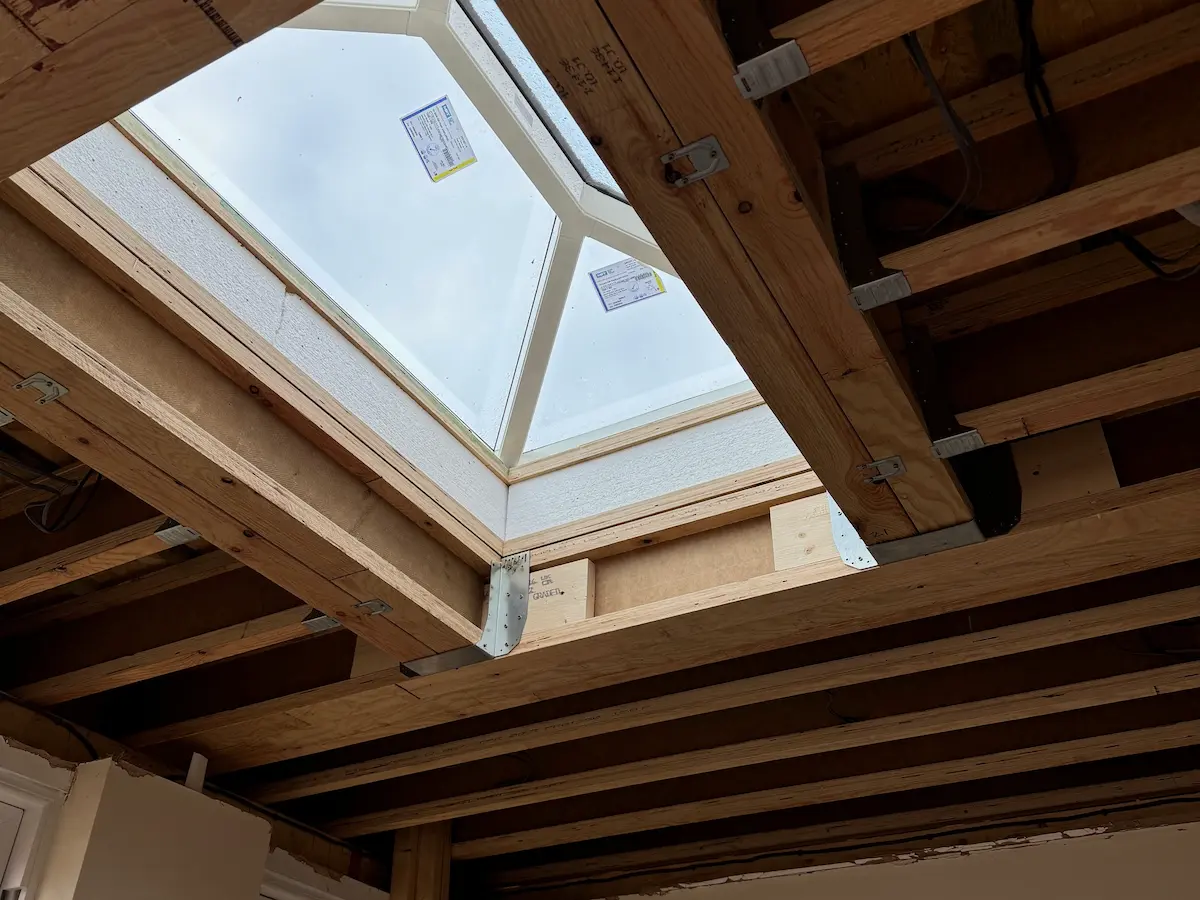
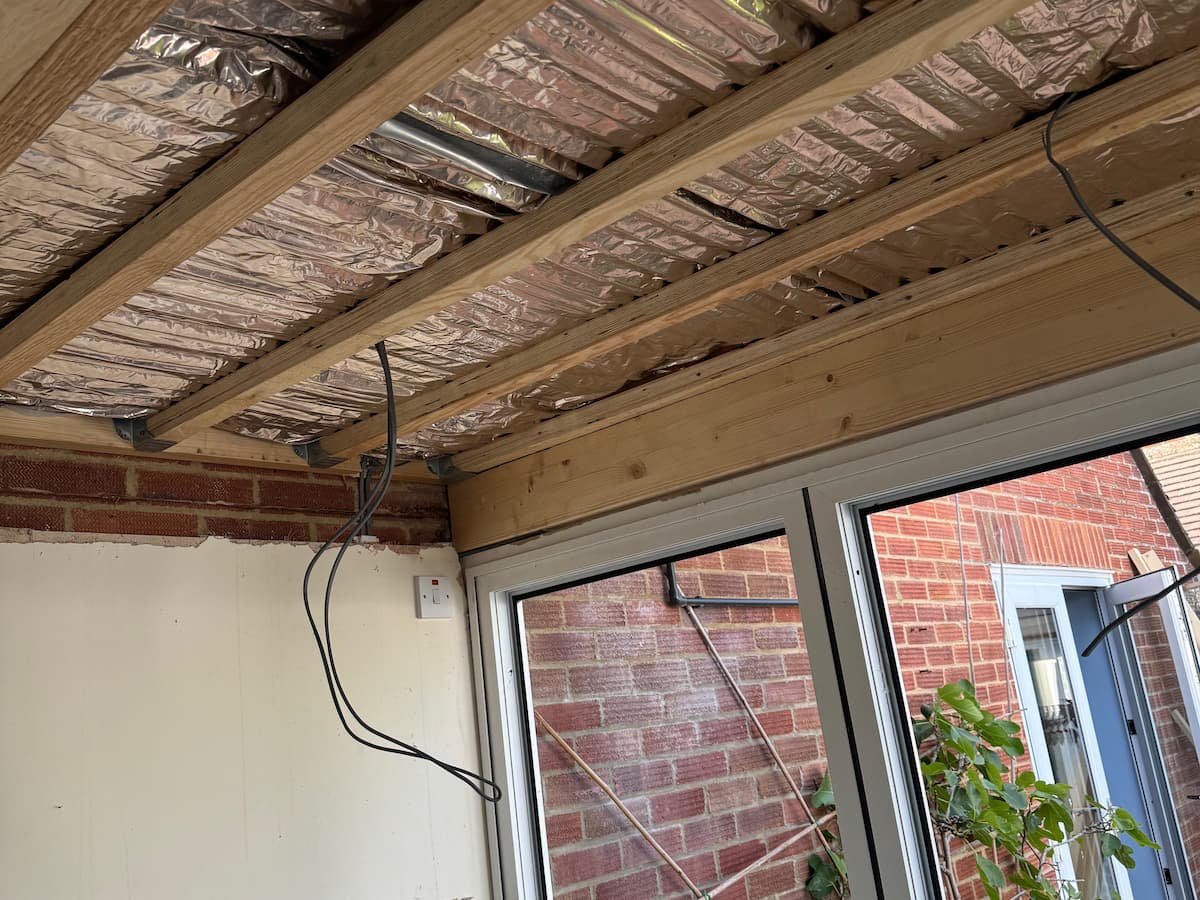
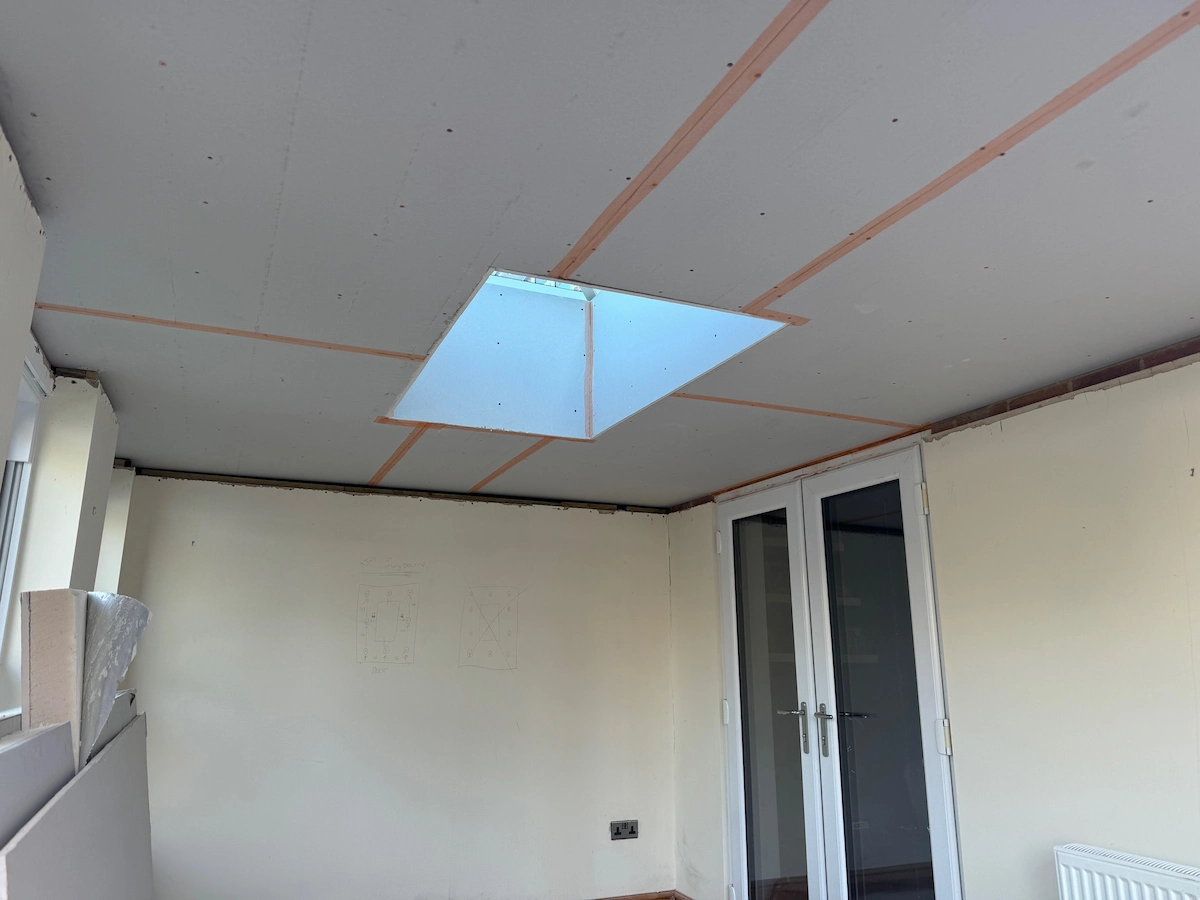
4. Visual Proof: The Proper KJM Process
Don’t just take our word for it. Look at the rigorous work involved in a legally compliant, structurally sound installation. If you choose a “wrap-over” installer, they skip all of these vital safety steps.
5. Data Comparison: Cladding vs. Full Replacement
Is the cheaper price tag ever worth the massive risk? Here is a direct, honest comparison between the dangerous “cheap fix” and the “proper solution.”
| Feature | ❌ Over-Cladding (The Cheap Fix) | ✅ Warm Roof Replacement (The Proper Way) |
|---|---|---|
| Structural Safety | High Risk of Collapse (Too heavy) | Guaranteed Safe (Engineered for load) |
| Condensation Risk | Guaranteed (Trapped moisture causes rot) | Zero (Fully cross-ventilated design) |
| Building Control | Will FAIL inspections | Fully Certified & Approved |
| Existing Warranty | Instantly Voided | New 10-Year Comprehensive Guarantee |
| Fire Safety | High Risk (Untested stacked materials) | Tested and Fire Rated |
6. The “Unsellable House” Trap
Even if the roof miraculously doesn’t fall down or rot immediately, it will severely hurt you financially when you eventually try to move. If you need a building control certificate for solid roof conservatory installations, you are legally required to prove the structure is sound.
When you sell a house, the buyer’s solicitor will demand a Building Control Completion Certificate for any solid roof conversion. Because clad-over systems fundamentally fail to meet the thermal U-Value requirements of Part L or the strict structural weight requirements of Part A, obtaining this mandatory certificate retrospectively is impossible.
We frequently receive panicked calls from distressed homeowners begging us to rip off a leaking clad-over roof and install a compliant one, just so they can legally complete their house sale. Don’t pay twice. Do it right the first time.
7. Frequently Asked Questions
Yes. Drilling directly into the original aluminium glazing bars or indiscriminately adding massive dead weight to the uPVC frame will almost certainly void any existing manufacturer guarantees for the conservatory structure.
It absolutely can be. Unlike a compliant, professionally built warm roof which actively uses fire-boarded plasterboard and heavily tested insulation, many cheap cladding systems use unverified, highly flammable materials that can rapidly accelerate fire spread across the ceiling void.
No. Even ‘lightweight’ exterior tiles add significant dead load. When you scientifically combine the heavy timber battens, thick insulation, plywood sheets, tiles, and interior plasterboard, the total weight is immense. Combined with a harsh winter snow load, this often fatally exceeds the safe structural limit of old uPVC frames.
No. Thermal foils often severely exacerbate the problem by trapping moisture even more effectively inside the void. Without proper, engineered cross-ventilation (which cheap cladding actively blocks), devastating interstitial condensation is totally inevitable.
Technically yes, but the original glass or polycarbonate roof underneath will likely be permanently damaged from hundreds of screw holes, sealant, and rot. You would essentially have to pay a team to restore the old, freezing roof back to its original state, meaning you have effectively paid for the roof twice with nothing to show for it.
📚 Knowledge Hub: Further Reading
Stay fully informed about the latest regulations and safety standards affecting your home:
Get an Honest, Expert Opinion
Are you worried about the structural state of your conservatory roof? We offer free, completely no-obligation surveys across Hampshire and Berkshire to safely assess your structure and recommend a compliant solution.
Book a Free Roof Assessment
Mark Pearce is a highly experienced specialist in the double glazing industry, having built his knowledge from the ground up through hands-on experience in installation, manufacturing, sales, and business management. Beyond his role at KJM, Mark is a keen blogger, writer, and traveller, often sharing insights on the latest innovations in the home improvement industry.
- Pilkington Launches Optitherm S3 Plus Triple Glazing Glass - 16 October 2026
- Comp Door Launches New 2026 Brochure Featuring ‘Total Black Out’ Frames - 11 September 2026
- Solidor launch five new doors - 21 August 2026