Timber - PVC - Aluminium - Windows, Doors & Conservatories in Hampshire
Bay vs Bow Windows: What is the Difference?
Bay vs Bow Windows: What is the Difference?
Stuck deciding between a bay or bow window? Discover the core architectural differences, project costs, and exactly which outward-projecting style is definitively best for your UK home.
Choosing the right windows can completely transform both the external kerb appeal and internal feel of your home. Moreover, two of the absolute most popular styles that project outwards are Bay and Bow windows. While they look superficially similar at a glance, their structural design, architectural history, and physical function are distinctly different.
Bay Window
Shape: Sharp, angular lines. Typically consists of 3 distinct window panes (a large central picture pane and two smaller angled sides).
Best For: Creating extra, walkable interior floor space, modern house extensions, and flawlessly matching classic Victorian architecture.
Bow Window
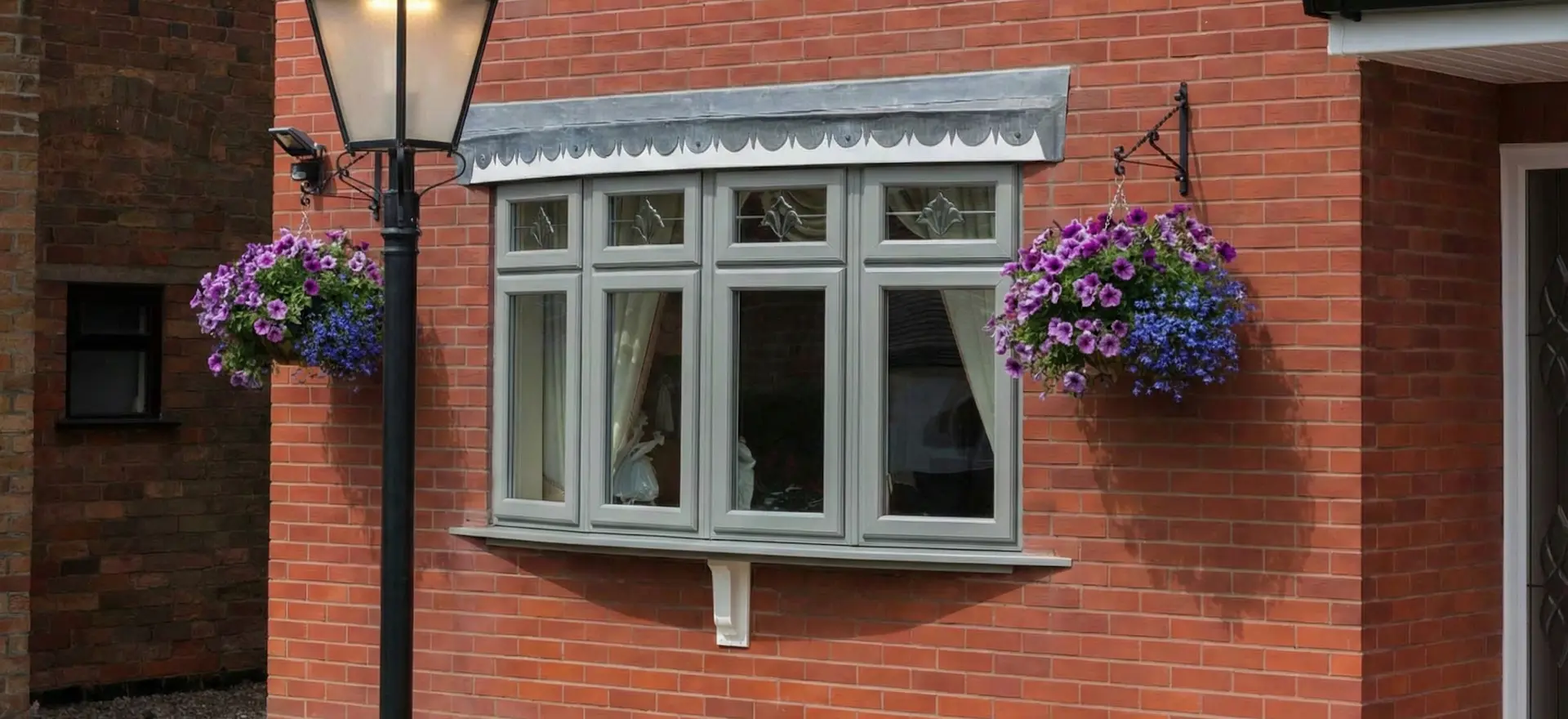
Shape: An elegant, semi-circular curved shape. Usually constructed using 4 to 6 equally sized window panes.
Best For: Capturing panoramic wider views, maintaining traditional Georgian property styles, and letting in a sweeping arc of natural light.
Read our Ultimate Guide to Bay Windows for 2026 price estimates, structural load-bearing pole requirements, and complex permitted development rules.
Page Contents
1. What Are Bay Windows?
A standard bay window usually consists of three large glass panes which angle out sharply from the exterior wall. Specifically, the centre window is often a wider “picture” window, securely flanked by two smaller side panes.
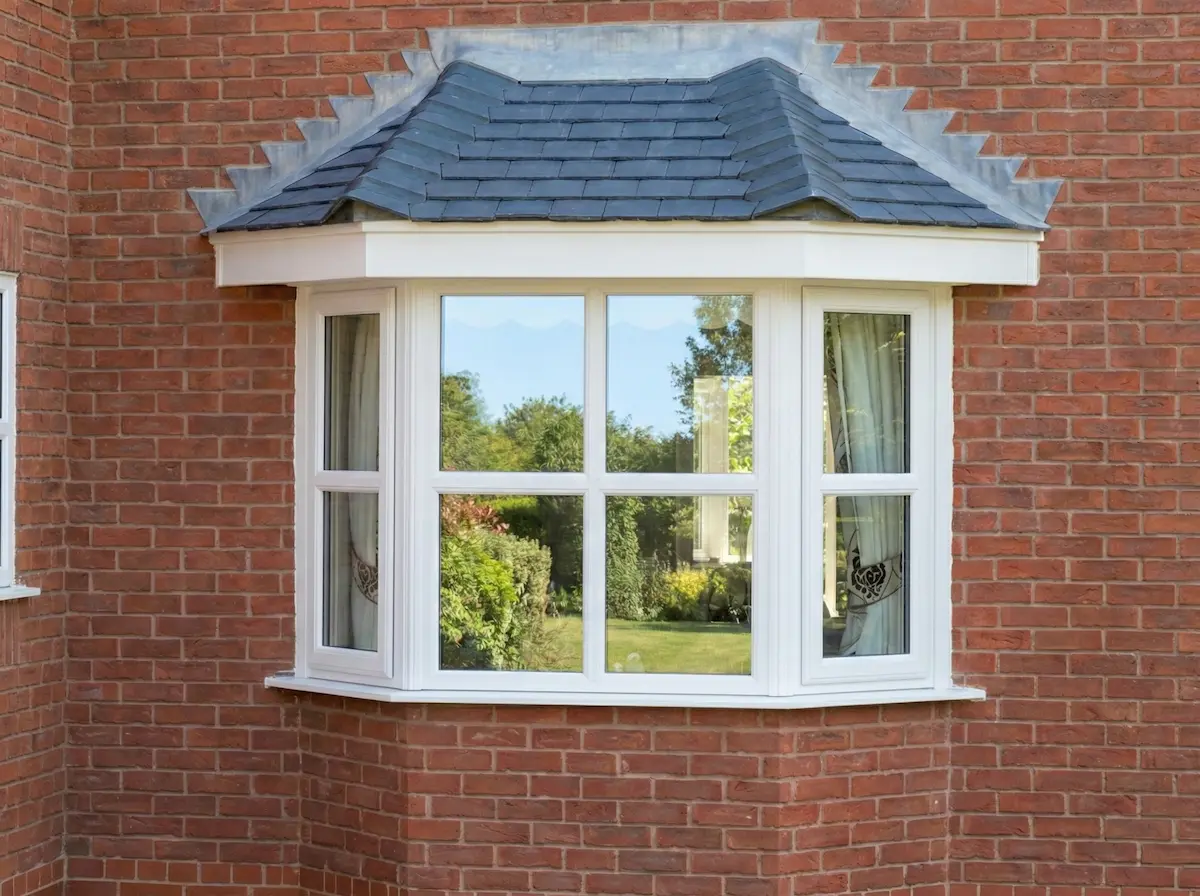
Because of its pronounced, deep outward projection, a bay essentially creates a completely new internal compartment within the room. Consequently, this makes it the perfect architectural choice if you want to add a cosy window seat or genuinely increase your usable floor space.
2. What Are Bow Windows?
Bow windows, frequently referred to in older texts as ‘Compass windows’, rely heavily on a series of four to six equally-sized window panels. These are meticulously joined together to create a gentle, sweeping semi-circular shape.
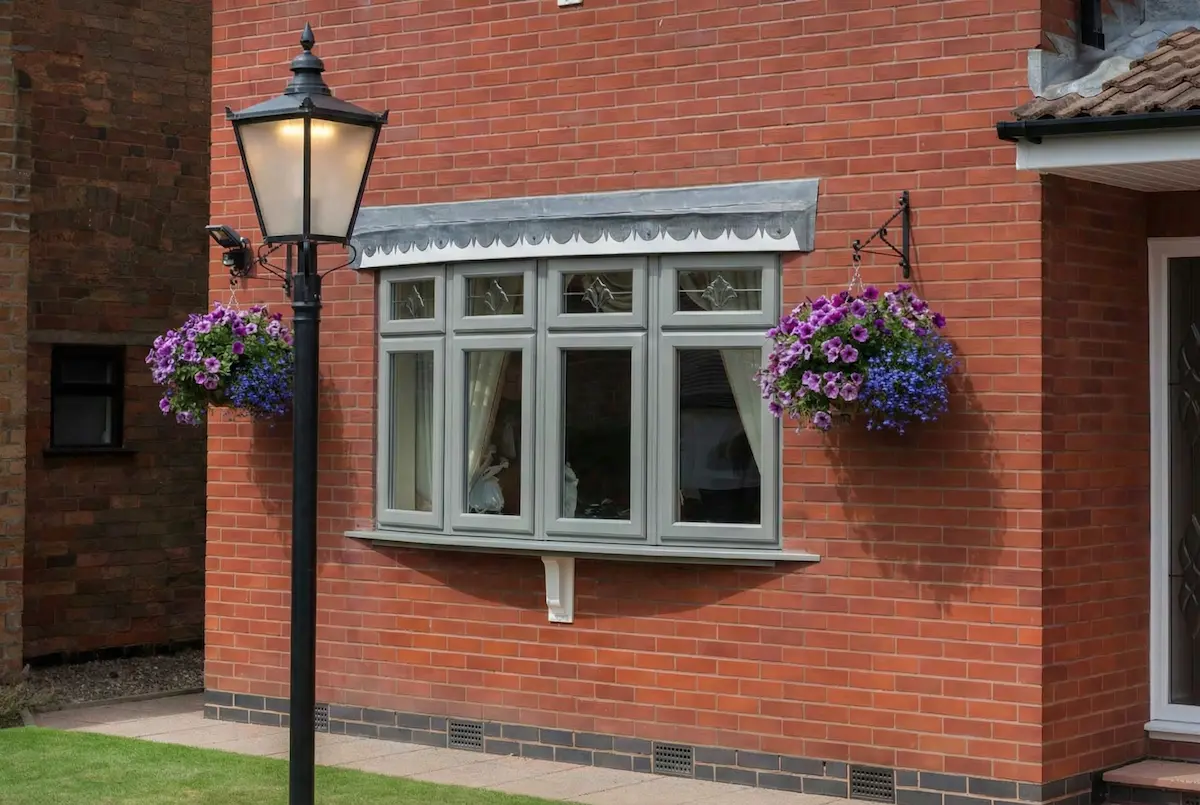
Unlike a bay window, a bow window doesn’t always require a deep brick foundation built beneath it to safely support the protrusion. Instead, it offers a shallow, curved projection. Ultimately, this adds tremendous visual interest to a home’s exterior while providing a spectacular, wide-angled panoramic view of your garden or street.
3. Interactive: Architectural Selector
Are you currently struggling to pick the perfect style for your property? Use our quick interactive selector below to definitively match your home improvement goals with the correct architectural design.
4. The Key Differences: Space, Light & Style
When carefully choosing between the two for your Hampshire property, your final decision usually comes down to three main structural factors:
- Space: Protrudes further outward, actively creating more internal floor space.
- Design: Sharp, angular lines. Matches both traditional Victorian and contemporary homes perfectly.
- Light: Excellent natural light capture, but relatively standard due to the solid wall angles.
- Space: Shallower projection, generally providing a wider ledge rather than walkable floor space.
- Design: Elegant, continuous curved lines. Highly ideal for traditional, Georgian, and period properties.
- Light: Because they use more glass panes, they often let in a significantly wider sweep of sunlight.
Choosing the Right Material
Whether you definitively choose the angular bay or the sweeping bow, KJM Group expertly installs these windows in a variety of premium materials:
- uPVC: Highly energy efficient, cost-effective, and available in an almost unlimited range of colours.
- Aluminium: Features ultra-slim sightlines, making it absolutely perfect for modern, square bay windows.
- Timber & Timber-Alternative: Essentially mandatory for maintaining the ornate, historic style of traditional bow windows in strict conservation areas.
5. A Brief Architectural History
Both styles proudly carry rich architectural heritage that frequently dictates where they look best today.
Bay windows originally emerged during the English Renaissance Period (late 15th to early 17th century). Initially known as Oriel windows, they were often found exclusively at the end of a great hall in mansions, or protruding elegantly from private chapels. Furthermore, they saw a massive, widespread resurgence during the Victorian building boom.
Bow windows gained immense popularity slightly later, during the 18th century (Georgian era). Indeed, they were heavily employed in larger, stately homes that specifically required a wider opening to frame different aspects of manicured estates through multiple, beautifully curved panes of glass.
6. Frequently Asked Questions
The primary difference is the physical shape and the number of glass panes used. A bay window typically features three panels with sharp, angular lines projecting deeply outward. Conversely, a bow window uses four to six panels to create a much softer, curved, semi-circular appearance with a shallower external projection.
Yes, absolutely. However, because a true bay window projects outward and adds physical floor space, it often requires new brick foundations and a structural roof. Furthermore, if you are building a completely new bay window at the front of your house, you should always check the official guidance on the UK Government Planning Portal Gov.uk to ensure you meet permitted development rules.
Generally, a bow window replacement cost is slightly higher for the window unit itself, because it requires manufacturing four to six custom panels instead of just three. However, if you are building a bay window from scratch (replacing a flat wall), the heavy building work, brickwork, and new roof required will make the total bay installation significantly more expensive.
📚 The Transparency Hub
We believe an educated customer makes the best decisions. Explore our transparent buying guides below:
Need Expert Glazing Advice?
If you are entirely unsure whether a classic Bay or a sweeping Bow window best suits your property, contact KJM Group today. We provide a completely free, absolutely zero-pressure consultation across Hampshire and Berkshire.
Get a Free Quotation
Mark Pearce is a highly experienced specialist in the double glazing industry, having built his knowledge from the ground up through hands-on experience in installation, manufacturing, sales, and business management. Beyond his role at KJM, Mark is a keen blogger, writer, and traveller, often sharing insights on the latest innovations in the home improvement industry.
- Comp Door Launches New 2026 Brochure Featuring ‘Total Black Out’ Frames - 11 September 2026
- Solidor launch five new doors - 21 August 2026
- KJM Group Wins Which? Trusted Trader of the Month (Aug 2026) - 4 August 2026