




Secondary Glazing Winchester
Winchester is renowned for its stunning architecture, from the medieval streets near the Cathedral to the Victorian terraces of St Cross and Hyde. However, owning a heritage property often comes with a difficult compromise: retaining the beautiful original timber windows usually means living with drafts, heat loss, and traffic noise.
For many homeowners in Winchester’s conservation areas or those living in Grade II listed buildings, replacing original windows with double glazing is simply not permitted by planning officers.
This is where KJM Group can help. Our premium, slimline secondary glazing offers a high-performance solution that sits discreetly inside your existing windows. It delivers 21st-century thermal and acoustic standards without altering the external character of your property—making it the preferred choice for conservation officers and heritage homeowners alike. View our full range of Winchester Home Improvements here.
Why Winchester Homes Need Secondary Glazing
- Planning Friendly: The only viable option for most Grade I & II listed buildings.
- Superior Silence: Reduces noise by up to 80%—perfect for city centre living.
- Thermal Efficiency: Eliminates drafts and reduces heat loss through single glazing by over 60%.
- Invisible Aesthetics: Slimline aluminium frames align with your existing sightlines.
Benefits of Secondary Glazing
Preserving Winchester’s Character
The primary concern for any owner of a listed property in Winchester is aesthetics. You want to retain the charm of your original sash or casement windows, not hide them behind bulky frames or alter the historic fabric of the building.
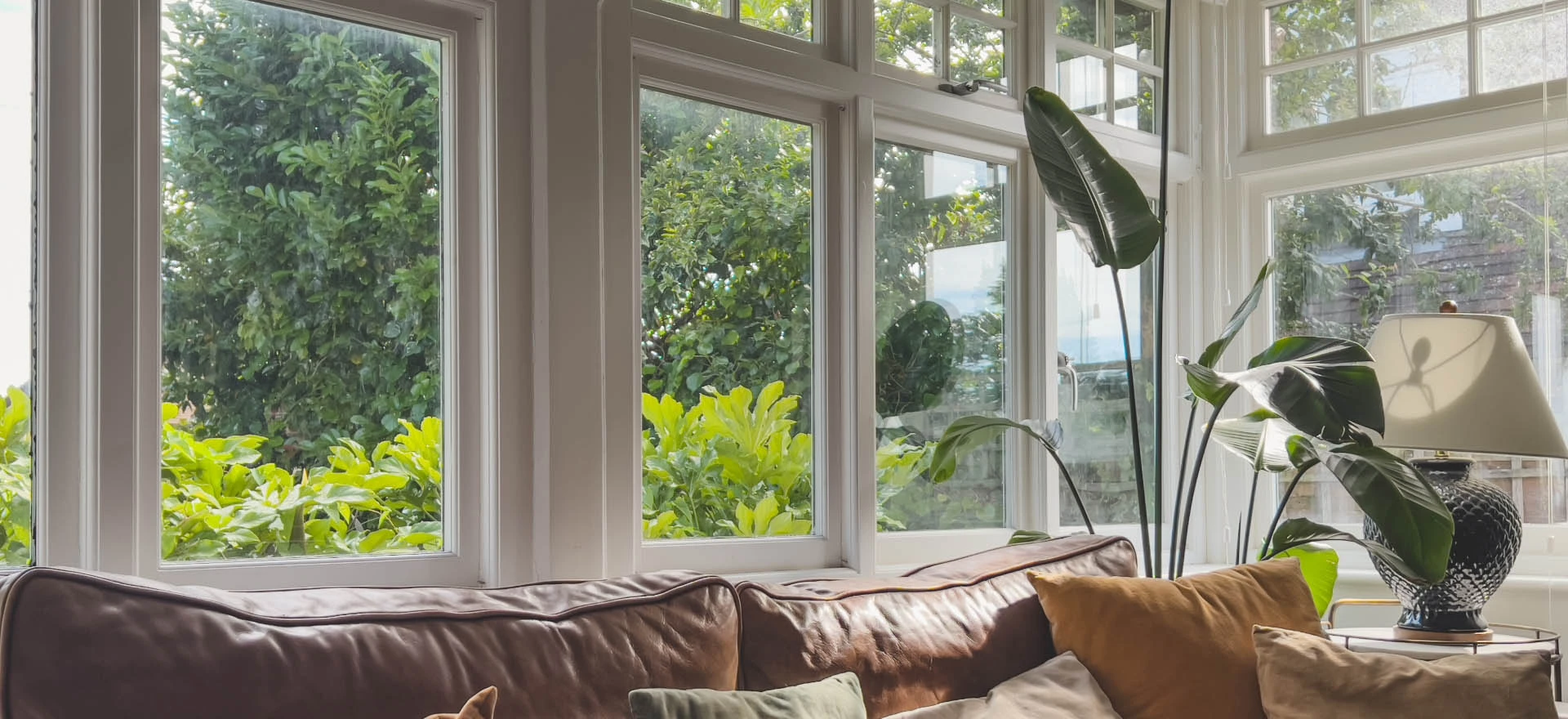
Our Slimline Secondary Glazing is designed to be virtually invisible from the outside. We use ultra-slim aluminium profiles that are powder-coated to match your existing window frames perfectly—whether that is classic white, black, or a specific RAL colour. By carefully aligning the transoms and mullions of the new frame with your existing sightlines, the secondary glazing effectively “disappears” from view.
Crucially, this system is a fully reversible adaptation. Because the secondary unit is fixed to the room-side reveal and doesn’t replace the original window, it is widely accepted by Winchester City Council conservation officers. It allows you to upgrade the comfort of a Grade II listed building without requiring complex planning permission in most cases.
We offer a range of opening styles to match your existing windows, including Vertical Sliders (for sash windows), Hinged Units (for casements), and Lift-Out Panels for windows that are rarely opened but need occasional cleaning.

Sound proofing
Acoustic Performance
Silence the City Noise
Living in the centre of Winchester often means dealing with traffic noise, particularly on busy routes like St Cross Road, Jewry Street, or near the train station. Original single glazing offers almost no barrier to sound vibration, turning your home into an echo chamber for passing buses and cars.
Secondary glazing is actually superior to double glazing for noise reduction. The secret lies in “decoupling” the glass panes. By installing the secondary pane approximately 100mm to 200mm away from the primary window, we create a large air cavity that acts as a powerful sound buffer/dampener.
We take this a step further by specifying 6.4mm or thicker acoustic laminate glass (such as Stadia Silence). This specialist glass absorbs sound waves rather than transmitting them. When properly installed, this system can reduce external noise levels by up to 80% (54dB). This transforms a noisy city apartment into a peaceful sanctuary, finally giving you a quiet night’s sleep.

Keep the heat in
Thermal Efficiency
Banishing Draughts & Condensation
Traditional sliding sash windows are notorious for being draughty. Even if the timber is in good condition, the gaps required for the sashes to slide allow warm air to escape and cold air to rush in, creating a “chimney effect” that sucks heat out of your home.
Secondary glazing creates a completely sealed internal barrier. It utilizes twin brush seals to clamp tight against the sub-frame, eliminating those cold draughts instantly. This setup can reduce heat loss through the window by over 60%, significantly lowering your heating bills and improving your home’s Energy Performance Certificate (EPC) rating.
Furthermore, it helps tackle a common enemy of heritage homes: condensation. By creating an internal barrier, the inner glass stays warmer than the outer single pane, significantly reducing the moisture buildup that can lead to black mould and rot on your timber sills.

Trading for over 40 years
Why choose KJM?
Why Choose KJM Group for your Heritage Home? Since 1983, KJM Group has been trusted by owners of listed buildings across Hampshire. Unlike general window fitters, we understand the nuances of conservation work. We don’t just “fit windows”; we engineer solutions that respect the history of your property.
We operate on a strict “No Pressure Promise.” Our team is salaried, not commission-based, meaning our only goal is to find the right acoustic and thermal solution for your home, not the most expensive one. We are a Which? Trusted Trader, fully fully accredited, and every installation comes with our comprehensive 10-year insurance-backed warranty.
Secondary Glazing Prices Winchester
Are you thinking about secondary glazing for your Winchester home? Then, we are the team for you at KJM Group, with over 40 years of experience in home improvements and 80% of our work coming through recommendations or existing customers returning. Speak to our team today for a secondary glazing price by using our contact form or by giving us a call at 01264 359355.
You can also visit our showroom in Andover, Hampshire, to see our products firsthand. One of our expert team members can guide you through our selection and help you find the right one.
Secondary Glazing FAQ's
Do I need planning permission for secondary glazing in a Grade II listed building?
In most cases, no. Because secondary glazing is a reversible internal adaptation that doesn’t alter the external fabric of the building, it is generally considered “permitted development” by Winchester City Council. However, we always recommend checking with your local conservation officer first, especially for Grade I listed properties.
Will secondary glazing stop the traffic noise from Romsey Road?
Yes, it is highly effective against traffic noise. By using an acoustic glass (like Stadia Silence) and creating a 100mm+ cavity between the old and new glass, we can reduce noise levels by up to 54dB (around 80%). This makes a significant difference for homes on busy Winchester roads.
Can I still open my original windows for ventilation?
Absolutely. We design the secondary glazing to match the opening style of your original windows. If you have vertical sliding sash windows, we install balanced vertical sliders. If you have casement windows, we install hinged units. The panels can also be lifted out completely for cleaning or maintenance
Will it look bulky or out of place in my period home?
Not at all. We use ultra-slim aluminium profiles that are designed to sit discreetly within the window reveal. We can colour-match the frames (usually white or a specific RAL colour) so they align with your existing sightlines, making them virtually invisible from the outside.
Does secondary glazing help with condensation on my old sash windows?
Yes. By creating a sealed internal barrier, the inner pane stays much warmer than the single-glazed outer window. This prevents the warm, moist air inside your home from hitting the cold glass, significantly reducing condensation and the risk of black mould on your timber sills.
Secondary Glazing Brochure

Our Products

Awards and Accreditations