Timber - PVC - Aluminium - Windows, Doors & Conservatories in Hampshire
The Ultimate Guide to Replacement Windows: Energy Efficiency, Design & Costs
The Ultimate Guide to Replacement Windows: Energy Efficiency, Design & Costs
uPVC vs Aluminium vs Timber? We compare materials, U-values, and regulations. Read the definitive 2026 guide to replacing windows in the UK.
- 💷 Energy Savings: Replacing old single glazing with A-rated windows can save a typical UK household up to £140 per year on heating bills.
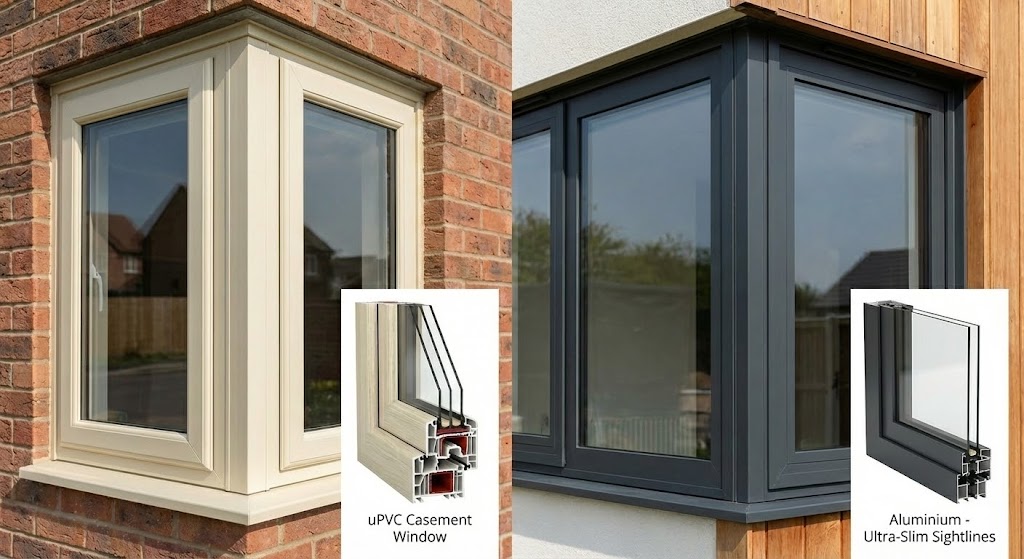
- 🪟 Materials Matter: uPVC offers excellent budget insulation, Aluminium provides ultra-slim contemporary sightlines, and engineered Timber is ideal for heritage properties.
- 📜 Building Regulations: All new windows must comply with strict FENSA rules, including Part F (Ventilation) to prevent damp, and Part Q (Security).
- ❄️ Triple Glazing: Adding a third pane can significantly improve thermal performance and comfort, although the exact benefit depends on the complete glass and window specification.
The experience of “window shopping” has been completely revolutionised. Since KJM Group began surveying and installing across Hampshire, Berkshire, and Wiltshire in 1983, we have witnessed a massive leap forward in glazing technology. Today’s replacement products offer levels of acoustic security and thermal efficiency that were totally unrecognizable just a few decades ago.
If you are considering upgrading your property, understanding these modern engineering advancements is absolutely key to ensuring you make a worthwhile, high-performing long-term investment. Here is our ultimate, jargon-free guide to buying replacement windows in 2026.
Page Contents
1. How Much Will I Actually Save?
We completely understand that replacing all the windows in your home is a significant financial investment. But what is the actual, tangible return?
According to verified data from the Energy Saving Trust External, upgrading from draughty single glazing to A-rated double glazing in a typical semi-detached UK home delivers the following immediate benefits:
Annual Return on Investment
💷 Financial Savings
Bill Reduction: Save up to £140 per year on your winter heating bills immediately.
Property Value: Significantly increases your home’s resale desirability and formal EPC rating (vital for securing Green Mortgages).
🌍 Environmental Impact
Carbon Footprint: Save approximately 380kg of Carbon Dioxide (CO2) from entering the atmosphere every single year.
Longevity: Modern A-rated units are designed to last 20 to 35+ years with minimal maintenance, and the uPVC is fully recyclable.
2. The Material Battle: uPVC vs Aluminium vs Timber
The glazing industry has worked incredibly hard over the last decade to shed its 1980s reputation for chunky, shiny “plastic” looking windows. Today, homeowners have three distinct, high-performance choices depending on their property’s architecture.
⚪ uPVC (The Dependable All-Rounder)
Pros: The most cost-effective option available. It requires minimal maintenance (no sanding or painting) and features multi-chambered internal profiles that provide elite thermal insulation.
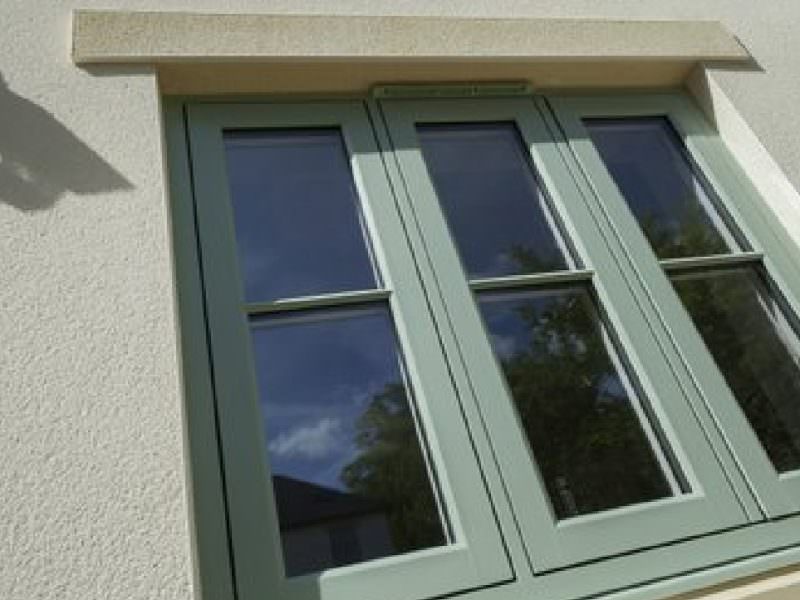
Style Tip: Standard white is brilliant for modern homes, but uPVC is now available in gorgeous woodgrain foils and Flush Casement designs (like the famous Residence 9 system) that flawlessly mimic traditional 19th-century timber.
⬛ Aluminium (The Contemporary Modernist)
Pros: Aluminium is an immensely strong material. Because of this inherent structural strength, the window frames can be manufactured incredibly slim, maximizing the amount of glass and natural light entering the room.
Style Tip: Featuring crisp, sharp architectural lines and powder-coated finishes, aluminium is the absolute go-to choice for bi-fold doors, modern extensions, and contemporary properties.
🌳 Engineered Timber (The Heritage Traditionalist)
Pros: Offers an unmatched, authentic natural aesthetic and utilizes highly sustainable, renewable materials. Modern engineered timber is factory-treated to prevent the warping and rotting seen in old wood.
Style Tip: While it carries a higher initial installation cost, genuine timber is often a strict legal requirement if you live in a Grade II Listed building or a highly protected Conservation Area.
To help you decide between materials and styles, read our complete guide on Choosing the Right Windows for Your Home.
3. The Science: U-Values & Security
Thermal efficiency is arguably the single biggest reason homeowners choose to undertake a full window replacement. However, the mix of scientific terms thrown around by salesmen can be incredibly confusing.
Current UK Building Regulations dictate that any replacement windows must achieve a minimum U-Value of 1.4 W/m²K (or achieve a Window Energy Rating of Band B). At KJM Group, we refuse to install to the bare minimum—we offer highly efficient A-rated windows as our baseline standard.
Furthermore, energy efficiency means nothing if your home isn’t secure. Ensure any window you purchase is tested to PAS 24 security standards. This ensures the frame features multi-point shoot-bolt locking mechanisms, internally glazed beads (so burglars can’t remove the glass from the outside), and complies with Approved Document Q.
4. Is Triple Glazing Actually Worth It?
Triple glazing adds a third pane of glass and a second sealed cavity, providing the potential for lower U-values, warmer internal glass surfaces and improved thermal comfort compared with standard double glazing.
Is it worth it? It depends on the property and your priorities. Triple glazing can be particularly beneficial where maximum thermal performance is important, including highly glazed homes, colder rooms and properties being designed around low-temperature heating systems such as air-source heat pumps.
It can also provide some additional acoustic improvement, although the glass specification is particularly important when reducing traffic or road noise.
Triple glazing typically costs more than double glazing, so the benefits should be considered alongside the property’s orientation, existing windows, heating system and overall energy-efficiency goals.
Want to explore the numbers and specifications in more detail? Read our complete guide to triple glazing and triple glazed windows.
5. Which Window Should You Choose?
Every home is unique. Here is a quick decision guide based on common homeowner priorities to help point you in the right direction:
| If your priority is… | Consider |
|---|---|
| Maximum budget efficiency | Standard A-rated uPVC casement windows |
| Authentic period character | Timber or Residence 9 flush casements with Astragal bars |
| Large expanses of glass / modern look | Aluminium windows with slim sightlines |
| Severe traffic noise reduction | Acoustic laminated double or triple glazing |
| Future-proofing for a heat pump | High-specification triple glazing (to achieve low U-values) |
6. ⚠️ Warning: The New Ventilation Rules (Part F)
If you are replacing windows in 2026, you must be aware that the UK Building Regulations (specifically Part F) have changed significantly. The new law dictates that when you replace windows, you must not worsen the background ventilation of the property.
Modern A-rated replacement windows are incredibly airtight. If you seal up your house perfectly but fail to provide mechanical ventilation, the moisture generated from cooking, showering, and breathing gets trapped inside. This rapidly leads to damp, condensation, and poor indoor air quality.
In almost all domestic replacement scenarios, your new windows must legally manage background airflow. For a full breakdown of the rules, see our complete guide to Building Regulations and Replacement Windows.
7. Frequently Asked Questions
According to the Energy Saving Trust, high-quality double glazing lasts between 20 to 35 years. KJM Group has been installing locally since 1983, and we routinely see our original 1990s uPVC windows still performing well today. Ultimate longevity depends heavily on basic maintenance—such as oiling the hinges and wiping down the rubber gaskets annually.
FENSA is a government-authorised Competent Person Scheme that strictly monitors building regulation compliance. As a fully FENSA-registered company, KJM issues you an official certificate a few weeks after your installation. This critical document proves your windows are legally compliant and is absolutely essential when you come to sell your home.
Generally, no. Replacing existing windows falls under “Permitted Development” rights. However, if you live in a Grade II Listed Building, or within a specific Conservation Area that has an Article 4 Direction applied by the local council (which revokes permitted rights), you will need formal planning permission before starting work.
📚 Explore Our Window Knowledge Hub
Dive deeper into specific products, legal regulations, and pricing structures by selecting a topic below:
Ready to upgrade your home?
Don’t risk poor insulation or failing building control. Contact KJM Group today for expert advice and a free, transparent, no-pressure quote for fully compliant replacement windows across Hampshire, Berkshire, and Wiltshire.
Request a Window Quote
Mark Pearce is a highly experienced specialist in the double glazing industry, having built his knowledge from the ground up through hands-on experience in installation, manufacturing, sales, and business management. Beyond his role at KJM, Mark is a keen blogger, writer, and traveller, often sharing insights on the latest innovations in the home improvement industry.
- Comp Door Launches New 2026 Brochure Featuring ‘Total Black Out’ Frames - 11 September 2026
- Solidor launch five new doors - 21 August 2026
- KJM Group Wins Which? Trusted Trader of the Month (Aug 2026) - 4 August 2026