Timber - PVC - Aluminium - Windows, Doors & Conservatories in Hampshire
The Definitive Guide to Sliding Sash Windows: Classic Charm Meets Modern Performance
The Definitive Guide to Sliding Sash Windows: Classic Charm Meets Modern Performance
Are you desperately trying to maintain the historic character of your period property without suffering freezing winter draughts? Discover how modern sliding sash windows perfectly blend authentic 19th-century charm with exceptional thermal performance.
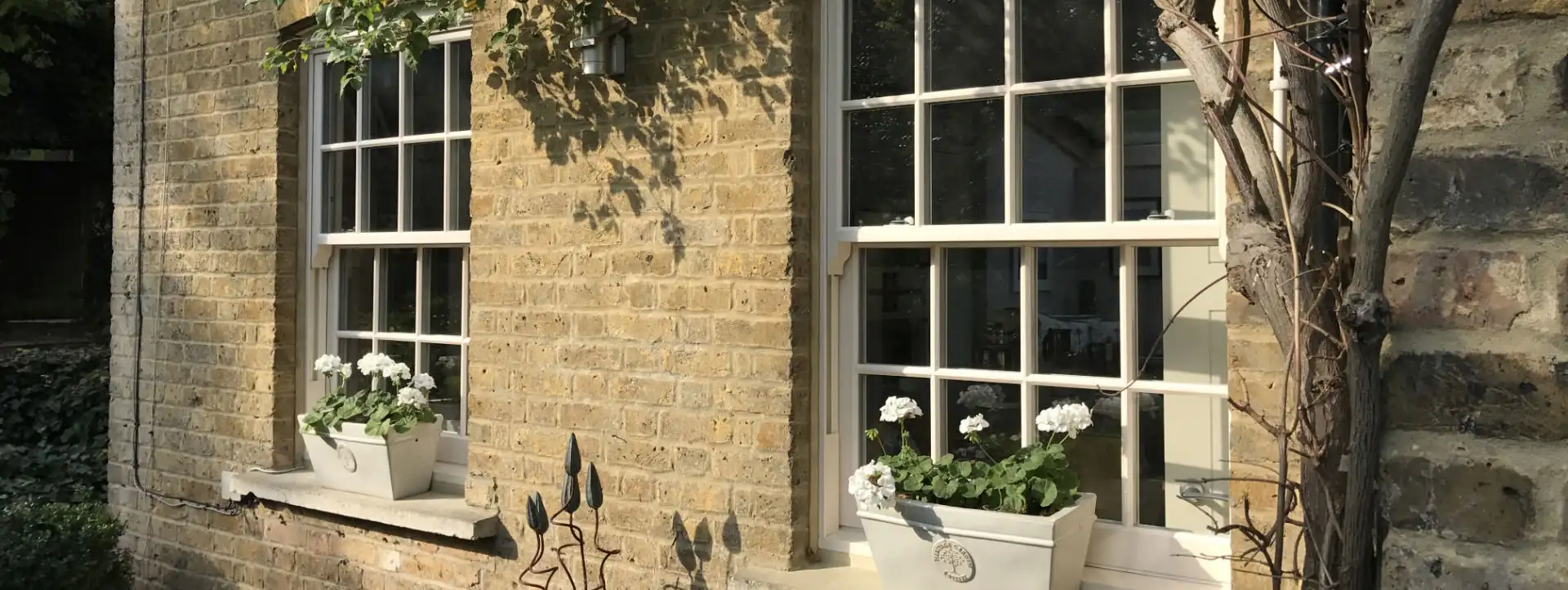
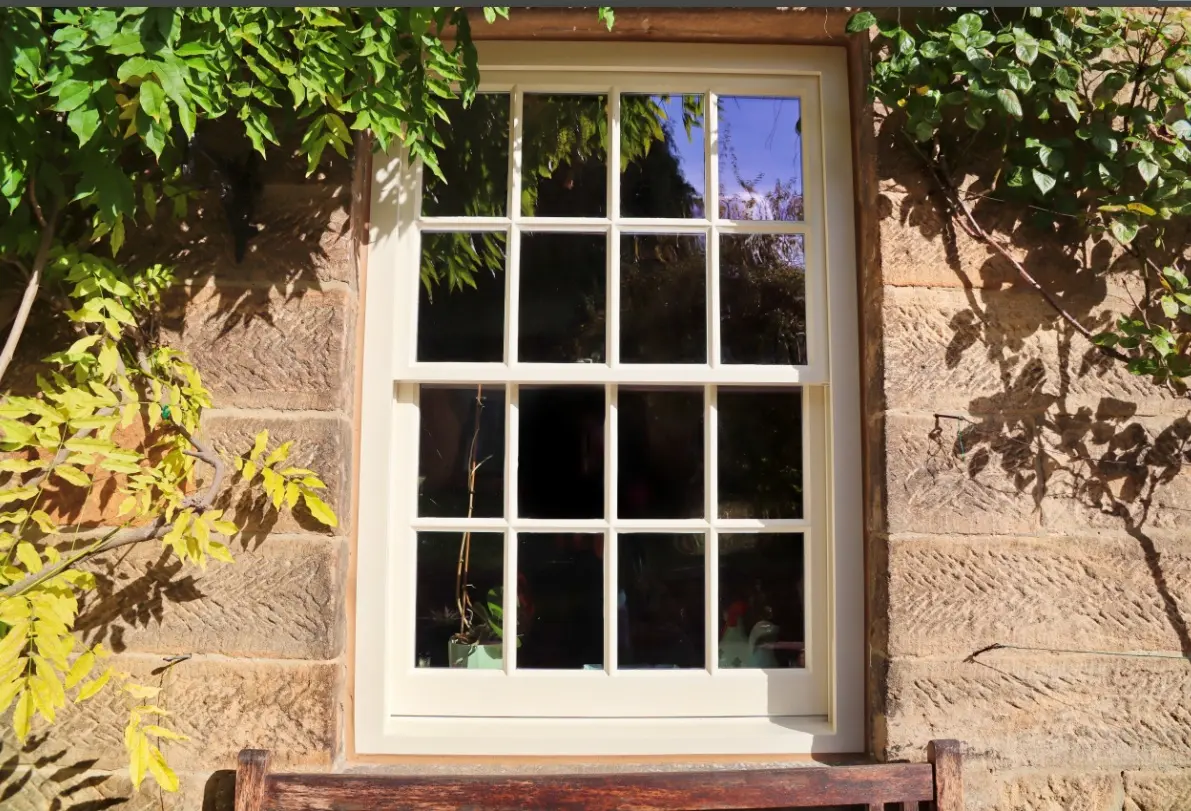
What exactly is a sliding sash window? Unlike a standard casement window that hinges outwards, a sash window consists of two framed panels that physically slide vertically up and down within the outer frame. Historically, heavy lead weights and pulley cords were used to balance the heavy glass. Today, modern uPVC sliding sash windows—such as the premium Roseview collection—utilise sophisticated, hidden spiral spring balances. This brilliant engineering allows manufacturers to flawlessly replicate authentic Victorian and Georgian timber designs while simultaneously delivering A-rated thermal efficiency, multi-point locking security, and completely eliminating freezing draughts.
🏛️ Authentic Heritage
Modern uPVC versions completely replace rattling, draughty original timber frames while meticulously preserving the classic kerb appeal of your property.
⚙️ Innovative Mechanics
Heavy, clunky lead weights are expertly replaced by highly sophisticated, hidden spiral spring balances for incredibly smooth, reliable daily operation.
🧽 Effortless Cleaning
Unlike historic designs, modern Roseview sash windows feature a highly clever tilt function, allowing you to easily clean the exterior glass safely from inside your room.
Page Contents
There are genuinely few structural architectural features as instantly recognisable across the UK as the sliding sash window. Indeed, they represent the absolute defining characteristic of Georgian elegance, bustling Victorian industry, and refined Edwardian style.
If you currently own a period property, maintaining its original historic character remains paramount. Yet, original timber sash windows are notoriously famous for loudly rattling in the wind, leaking freezing draughts, and demanding endless, expensive maintenance. At KJM Group, we firmly believe you absolutely shouldn’t have to compromise between historical visual authenticity and highly modern interior comfort.
1. Interactive Tool: The Roseview Selector
Unsure which specific tier of the Roseview sash collection genuinely suits your property? Simply answer the two quick questions below, and our logic engine will instantly recommend the optimal specification.
2. What Exactly is a Sliding Sash Window?
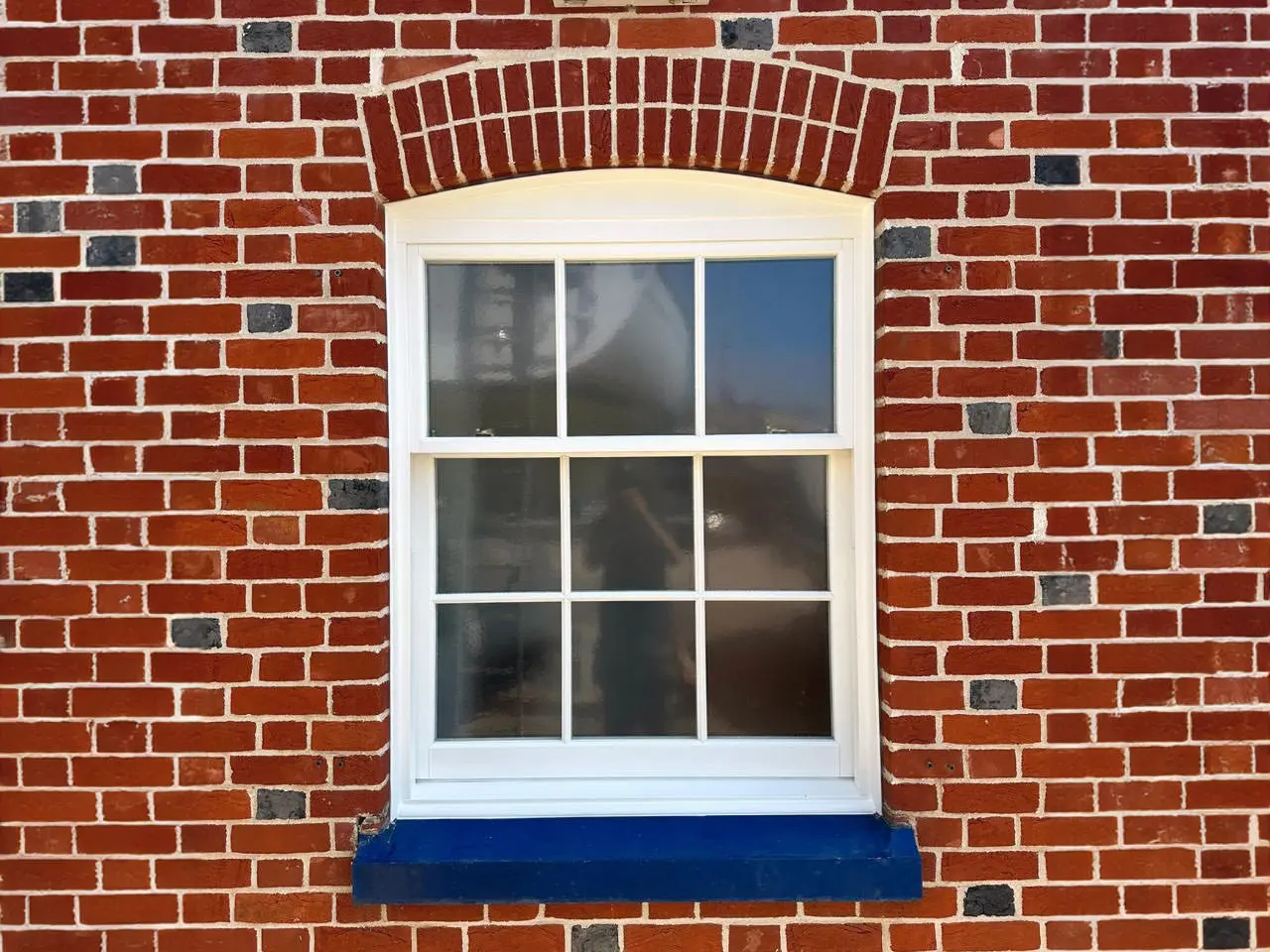
Unlike highly common ‘casement’ windows that simply hinge outwards at the side, a sash window intentionally opens vertically. Specifically, they consist of two heavily framed glass panels, professionally known as ‘sashes,’ which smoothly slide up and down within the outer frame.
In most highly traditional designs, both the top and bottom sashes can actively slide independently, brilliantly allowing for incredibly flexible room ventilation.
A Brief History
The absolute oldest surviving examples in England technically date back to the 1670s. Regardless of their precise origins, the sash window quickly thrived across Britain, subsequently becoming the dominant architectural style for nearly three entire centuries. Because they physically remain flush with the wall and do not swing outwards, they were naturally the perfect choice for densely packed city centres and narrow townhouses.
3. How Do Modern Sash Windows Work?
Window glass is incredibly heavy. To successfully allow a vertical window to slide smoothly and confidently stay open at absolutely any height, the sheer weight of the sash must be perfectly counter-balanced.
- Traditional Weights & Pulleys: Historically, carpenters brilliantly achieved this by utilising heavy lead or cast-iron weights hidden entirely inside a wooden box within the window frame, securely connected via a thick cord passed over a spinning pulley.
- Modern Spring Balances: Today, most modern uPVC versions expertly use a highly sophisticated spiral spring balance. Consequently, this advanced engineering firmly allows for much slimmer, visually neater window frames alongside incredibly smooth, highly reliable lifting.
4. Introducing Roseview: The Pinnacle of Design
KJM Group has proudly partnered exclusively with Roseview Windows, the UK’s absolute leading manufacturer of premium uPVC sliding sash windows. They meticulously engineer their windows to flawlessly replicate the intricate charm of timber while simultaneously providing modern A-rated energy efficiency and rigorous security.
The Roseview Collection
1. The Ultimate Rose
Widely considered the absolute best uPVC sash window currently on the market, the Ultimate Rose is incredibly frequently approved for strict use in conservation areas. It beautifully features an exceptionally slim 35mm mid-rail and authentic mechanical joints that perfectly mimic handcrafted timber joinery.
2. The Heritage Rose
A genuinely superb choice for standard Georgian and Victorian properties, expertly balancing authentic historic looks with phenomenal modern performance. It distinctly features a 44mm mid-rail and confidently offers excellent acoustic soundproofing.
3. The Charisma Rose
Specifically designed for highly modern projects or budget-conscious renovations where the general style of a sash window is desired. It features a slightly thicker 60mm mid-rail and utilises standard welded corner details for exceptional value.
| Feature | Ultimate Rose | Heritage Rose | Charisma Rose |
|---|---|---|---|
| Best Suited For: | Strict Conservation Areas | Standard Period Properties | Modern & New Build Homes |
| Central Mid-Rail: | 35mm (Ultra-Slim) | 44mm (Slim) | 60mm (Standard) |
| Corner Joints: | Mechanical (Mimics Timber) | Welded | Welded |
| Security Level: | PAS24 / Secured By Design | PAS24 / Secured By Design | Secured By Design capable |
5. The Importance of Authentic Heritage Details
A genuine sash window is visually defined entirely by its intricate details. Consequently, Roseview and KJM explicitly offer massive customisation—from various specific glass types and gasket colours to high-quality metal furniture finishes seamlessly including polished chrome, bright gold, or stunning antique brass.
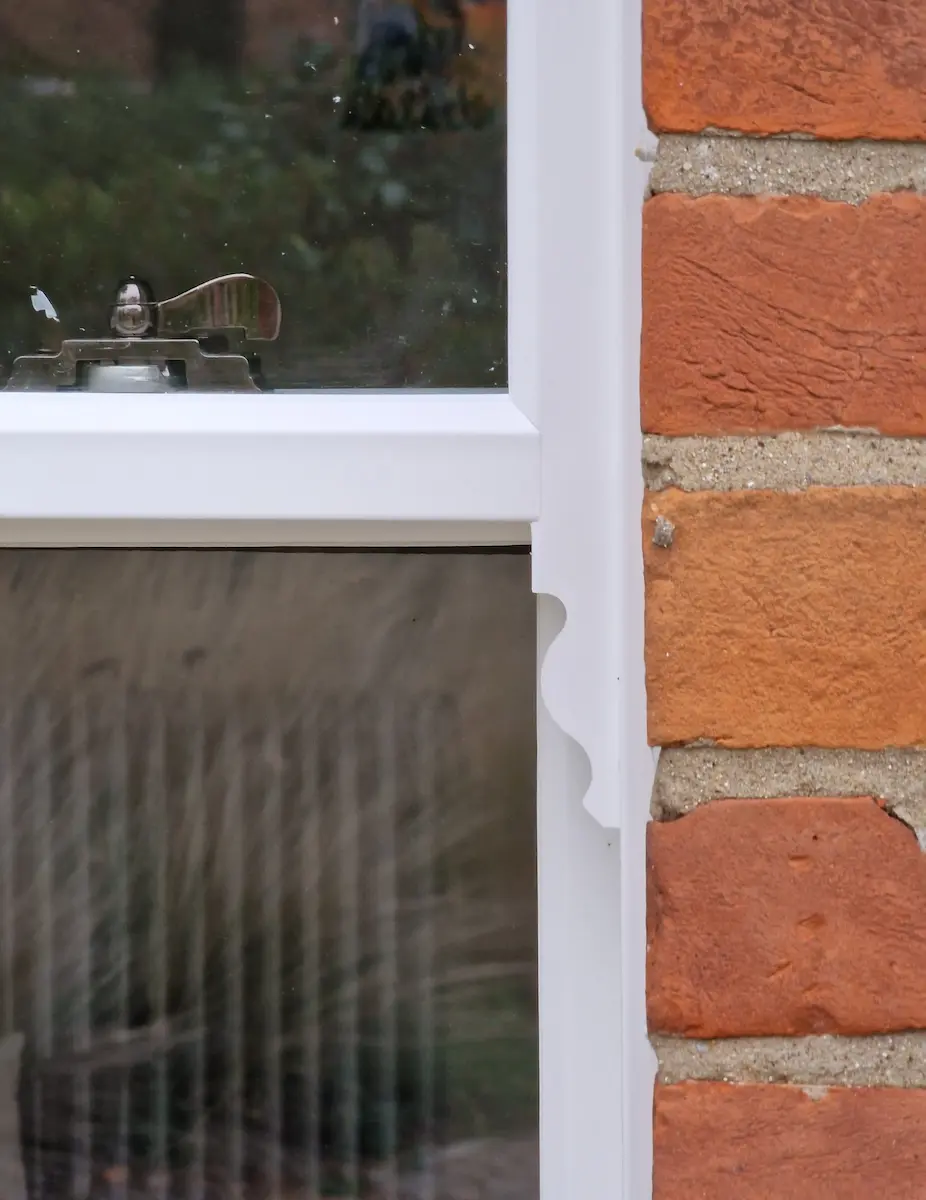
The ‘Run-Through’ Sash Horn
An absolutely critical Victorian architectural detail is the ‘sash horn’—the highly decorative physical spur securely located on the bottom of the top sash. Premium Roseview windows feature genuinely authentic run-through horns, flawlessly sculpted integrally from the uPVC profile itself, exactly just as they would be naturally carved on a real timber window.
6. Frequently Asked Questions
Yes, very. Unlike original timber windows which frequently rely on highly simple, weak metal catches, modern Roseview sash windows feature high-security cam locks, heavily reinforced internal frames, and key-locking furniture. Furthermore, all Roseview models can be officially upgraded to completely meet strict PAS24 standards and Secured by Design accreditation for absolute ultimate peace of mind.
Often, yes. The premium Ultimate Rose window is specifically engineered for this exact purpose. Because it flawlessly mimics the ultra-slim sightlines, mechanical timber joints, and authentic putty-line details of historical timber windows so incredibly accurately, it is highly frequently accepted by strict conservation officers. However, you absolutely must always formally check with your local planning authority first.
No. Original, single-glazed timber sash windows are notoriously freezing and highly draughty. Conversely, modern uPVC sash windows from KJM are officially A-rated for spectacular energy efficiency. They intelligently use high-quality double glazing, modern insulating brush piles, and highly durable rubber gaskets to actively create excellent weather seals, completely eliminating draughts and firmly keeping expensive heat inside.
Traditionally, cleaning the outside of an upper-floor sash window remained incredibly difficult and highly dangerous. However, most modern Roseview sash windows brilliantly feature a clever ’tilt facility.’ This engineering marvel explicitly allows both heavy sashes to smoothly tilt completely inwards so you can easily clean the external glass safely while standing entirely inside your room.
📚 Explore Our Performance Glazing Hub
Now you firmly understand the heritage of sliding sash windows, dive significantly deeper into the specific options highly relevant to your home:
Ready to Restore Your Property’s Charm?
If you genuinely want to securely replace your draughty old timber frames with highly authentic, A-rated sash windows, we can expertly help. KJM Group securely manages fully compliant installations entirely across Hampshire.
Contact KJM for a Free Consultation
Mark Pearce is a highly experienced specialist in the double glazing industry, having built his knowledge from the ground up through hands-on experience in installation, manufacturing, sales, and business management. Beyond his role at KJM, Mark is a keen blogger, writer, and traveller, often sharing insights on the latest innovations in the home improvement industry.
- Pilkington Launches Optitherm S3 Plus Triple Glazing Glass - 16 October 2026
- Comp Door Launches New 2026 Brochure Featuring ‘Total Black Out’ Frames - 11 September 2026
- Solidor launch five new doors - 21 August 2026