Timber - PVC - Aluminium - Windows, Doors & Conservatories in Hampshire
Compare The Best Flush Casement Window Choices for Your Home
Compare The Best Flush Casement Window Choices for Your Home
Are you searching for replacement windows that deliver high-performance thermal efficiency without sacrificing traditional character? Discover precisely why flush casement windows have become the absolute premier choice for discerning UK homeowners.
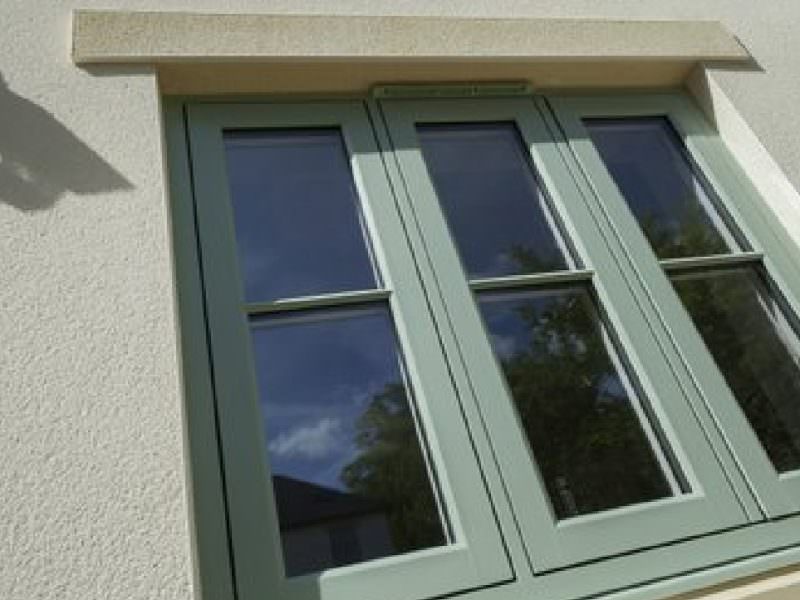
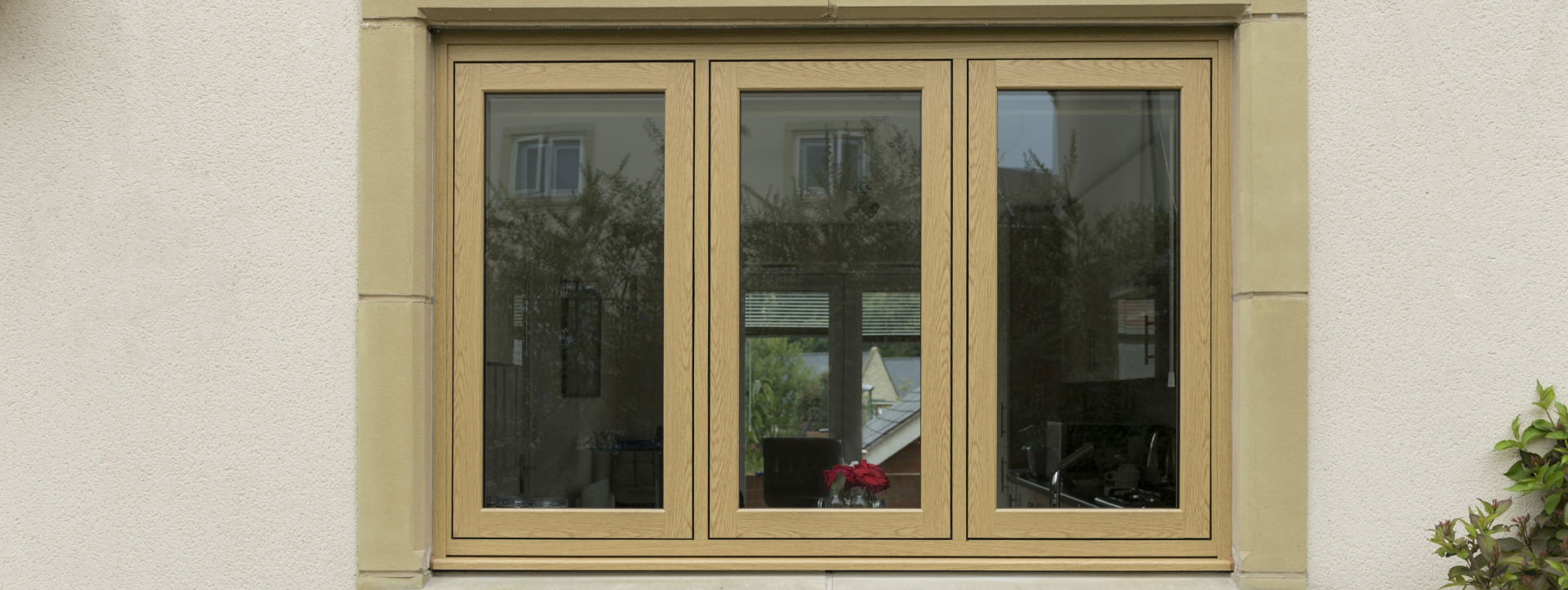
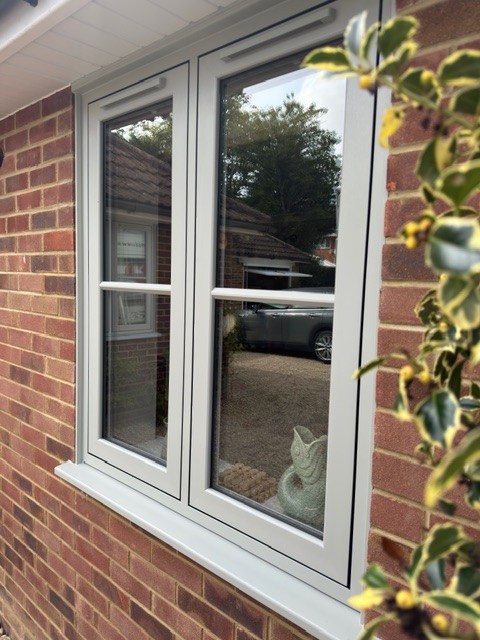
What exactly is a flush casement window? The term “flush” specifically means that the opening window sash sits completely flat within the surrounding frame when fully closed, creating a beautifully clean, authentic heritage aesthetic. This classic design perfectly mimics traditional 19th-century timber joinery. Today, UK homeowners can effortlessly select from highly affordable uPVC finishes, ultra-slim modern aluminium frames, or fully authentic timber options. Ultimately, modern flush casements expertly rival standard stormproof windows for supreme thermal efficiency, frequently achieving stringent A-rated standards while supporting heavy 44mm triple glazing.
📏 The Definition
The term “flush” explicitly means the opening window sash permanently sits entirely flat within the outer frame (with zero overlap), ensuring a clean, traditional look.
🧱 Material Options
uPVC undeniably offers the absolute best value; Aluminium successfully provides sleek modern lines; Timber remains legally essential for strict historic conservation.
🔥 Thermal Performance
Modern flush casements effectively rival standard overlapping windows for incredible thermal efficiency. Indeed, they effortlessly achieve A-rated standards and flawlessly accommodate 44mm triple glazing.
Page Contents
What exact choices remain actively available when searching for your home’s absolute best flush casement window? Let us intelligently start with the architectural basics.
Historically, the specific term ‘casement’ explicitly describes a window securely attached to its outer frame by one or more highly robust hinges. Consequently, these classic designs typically open outwards. Furthermore, historically, a small metal arm known as a “casement stay” manually connected the moving sash to the solid frame, holding the window perfectly open against heavy winds.
1. Interactive Tool: The Material Assessor
Unsure which specific flush casement material genuinely suits your lifestyle and budget? Simply answer the two quick questions below, and our logic engine will instantly recommend the most appropriate framework for your property.
2. Flush Casement Window History
Indeed, flush casement windows beautifully defined the standard aesthetic of 19th-century Edwardian and Victorian homes. Originally crafted entirely from natural timber by skilled local carpenters, they firmly represented the national standard before sliding sash windows successfully became dominant in larger, affluent city properties.
We specifically call them “flush” because of their remarkably clean external profile: the opening sash (when securely closed) sits completely, perfectly flat within the surrounding frame. Early, primitive glass manufacturing limitations physically forced historic builders to actively use “Georgian bars” to carefully hold much smaller panes of fragile glass together. Today, incredible advances in manufacturing technology brilliantly allow us to accurately recreate this heritage look using high-performance double or triple glazing, expertly reducing the design from 6 restrictive panes down to a beautifully clean, uninterrupted 2-pane look if highly desired.
3. Flush vs. Stormproof: What’s the Difference?
It remains highly important to understand that the vast majority of standard replacement windows successfully installed since the 1950s function as “Stormproof” casements. In this specific, highly robust design, the opening sash distinctly features a protruding “lip” that significantly overlaps the outer frame to confidently provide an incredibly tight weather seal. Consequently, this actively creates a window that physically sits visibly proud of the frame.
While undeniably effective at aggressively blocking driving rain, stormproof windows completely lack the exceptionally clean, historic lines of traditional flush joinery. Ultimately, the recent massive revival of flush windows is driven entirely by discerning homeowners who desperately want the high thermal performance of modern windows, but actively despise the bulky, unappealing plastic look of standard, overlapping stormproof frames.
4. Best Materials for a Flush Casement Window
We expertly supply and professionally install premium uPVC, aluminium and authentic timber flush casements entirely across Andover, Hampshire and the surrounding counties. Here is precisely how they structurally compare:
| Material | Aesthetics & Finish | Thermal Performance | Best Suited For |
|---|---|---|---|
| Premium uPVC (Deceuninck, R7, R9) |
Outstanding timber-effect foils. “Mechanical joints” are readily available to flawlessly mimic real wood joinery. | A-rated double glazing as standard; highly robust 44mm triple glazing options specifically available on select systems. | Best overall value for high performance; ideal for most residential retrofits. |
| Aluminium (Sheerline, Smarts) |
Ultra-slim, remarkably crisp sightlines. Huge range of sleek, modern matt powder-coated RAL colours. | High-spec internal thermal breaks. Easily supports incredibly heavy triple glazing glass units without ever sagging. | Highly contemporary modern projects and large, expansive formats. |
| Timber (George Barnsdale) |
The absolute real thing. Unbeatable, stunning authenticity for rigorous historical accuracy. | Achieves the lowest possible U-values with proper specs; however, strictly requires periodic maintenance and painting. | Strictly Listed buildings (subject to official consent) and highly authentic historical restorations. |
Conservation & Listed Buildings: Quick Guidance
- Listed Buildings: You will almost certainly require strict Listed Building Consent. Consequently, conservation officers frequently prioritise authentic repair over full replacement—always legally speak to your local officer first.
- Conservation Areas: Rules vary significantly by local council. Even simply changing the external window colour (for example, switching from Brilliant White to Agate Grey) can unfortunately trigger a formal planning application. Always thoroughly check the Planning Portal Gov.uk early in your project.
5. Video Showcase: Compare Your Choices
At the extensive KJM showroom securely located in Andover, Hampshire, we proudly display full-sized examples of these magnificent systems. Ultimately, physically seeing the complex corner joints and authentic woodgrain finish in person remains the absolute best way to confidently decide.
1. Sheerline Flush Aluminium Window
The highly innovative Sheerline system expertly offers the absolute perfect balance of modern metal strength and classic heritage styling. Specifically, it beautifully features a highly unique “stepped” outer frame that looks genuinely incredible in striking black or modern anthracite grey.
2. Deceuninck Flush Casement uPVC Window
Deceuninck confidently offers over 30 distinct, highly realistic colourways directly from stock. Furthermore, their revolutionary “Graf weld” technology brilliantly ensures the plastic corner joints remain entirely seamless, making it arguably one of the smoothest, most convincing uPVC finishes currently on the market.
3. Residence 7 and Residence 9
Engineers specifically designed Residence 9 to flawlessly replicate 19th-century timber designs precisely for strict conservation areas. Therefore, it deliberately features a deep 100mm frame depth (matching old timber exactly). Conversely, Residence 7 represents the significantly slimmer, more highly modern flush version (featuring a 75mm depth).
4. Timber Windows (George Barnsdale)
For dedicated historical purists, absolutely nothing physically beats natural wood. Our premium partner, George Barnsdale, expertly manufactures highly engineered timber flush casements that successfully resist typical warping and twisting. They are beautifully finished in advanced microporous paint that reliably lasts for years without flaking.
6. Frequently Asked Questions
It represents a specific architectural window design where the opening sash physically sits completely flush with the outer frame when closed, successfully creating a perfectly flat external surface. Consequently, this brilliantly mimics traditional pre-1950s timber joinery, effectively offering a much cleaner, highly heritage-focused aesthetic compared to standard “lipped” stormproof windows.
Often, yes—especially if you deliberately choose a premium timber-effect finish like Residence 9 that expertly replicates historical sightlines. However, local rules inevitably vary significantly by council. Listed buildings almost always strictly require specific architectural consent and may legally demand the use of authentic natural timber.
Yes, absolutely. Many highly modern systems, explicitly including the premium Residence Collection (R7 & R9) and the Sheerline Aluminium range, are specifically engineered to comfortably accommodate massive 44mm triple glazing units. Consequently, they confidently offer outstanding thermal U-values as remarkably low as 0.8 W/m²K.
📚 Explore Our Performance Glazing Hub
Now you firmly understand flush casements, dive significantly deeper into the specific window options highly relevant to your home:
Ready to Transform Your Home?
If you genuinely want to actively improve your home’s kerb appeal with stunning flush casement windows, we can expertly help. KJM Group securely manages fully compliant installations entirely across Hampshire.
Contact KJM for a Free Consultation
Mark Pearce is a highly experienced specialist in the double glazing industry, having built his knowledge from the ground up through hands-on experience in installation, manufacturing, sales, and business management. Beyond his role at KJM, Mark is a keen blogger, writer, and traveller, often sharing insights on the latest innovations in the home improvement industry.
- Pilkington Launches Optitherm S3 Plus Triple Glazing Glass - 16 October 2026
- Comp Door Launches New 2026 Brochure Featuring ‘Total Black Out’ Frames - 11 September 2026
- Solidor launch five new doors - 21 August 2026